

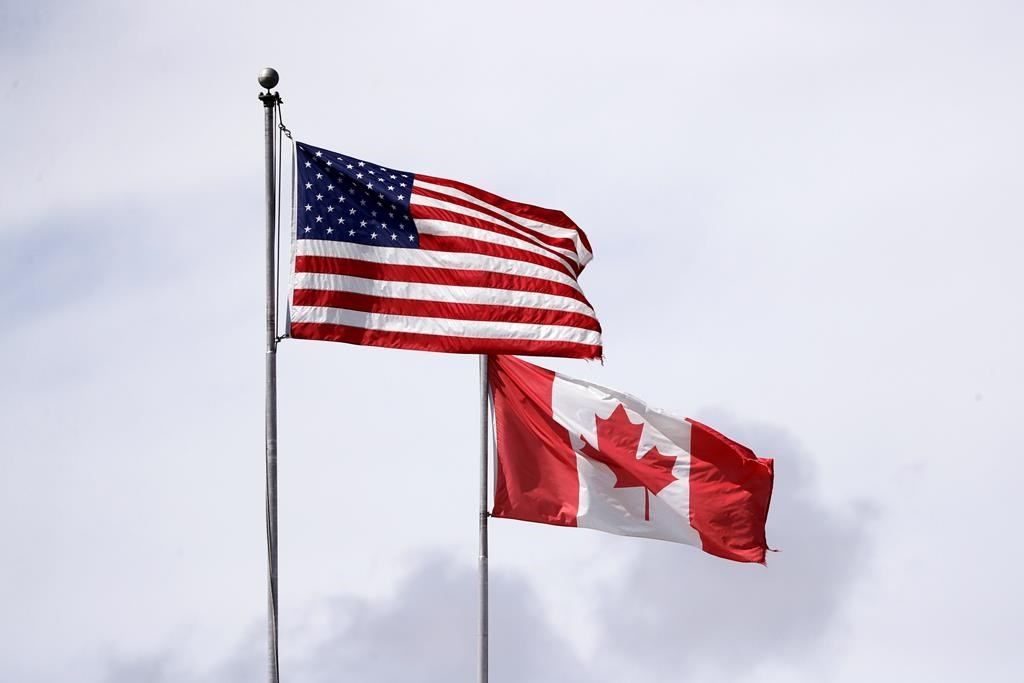
In a surprising turn of events, Canada finds itself in the crosshairs of a trade conflict with the United States, despite being the largest buyer of American goods. With a significant portion of its economy reliant on international trade — accounting for 64% of its economic output — Canada has enjoyed a relatively open trading relationship with the U.S., especially under the North American trade agreement negotiated during Donald Trump's first term, which allows most American products to enter Canada duty-free.
However, tensions escalated after trade discussions fell apart on August 21, leading Trump to label Canada “one of the Worst Abusers.” He accuses the country of exploiting the U.S. and has taken to social media to voice his frustrations, claiming that Canada has been “ripping us off for decades.” His comments have inflamed relations between the two countries, resulting in personal attacks on Canadian leadership and public insistence on making Canada the 51st U.S. state.
In response to Canadian tariffs amounting to $20 billion worth of U.S. goods imposed last month, Trump retaliated with a steep 50% tariff on Canadian products. This prompted further countermeasures from Ottawa and threats from Trump, including a pledge to prevent Canadian firms from accessing U.S. government contracts and potentially banning certain Canadian imports, such as motorcycles and dairy products.
Despite a long-standing reputation for being trade-friendly, Canada maintains protections for specific industries, notably dairy. The Canadian dairy sector operates under a quota system that imposes tariffs exceeding 200% on imports exceeding set limits, which serves to shield local farmers from foreign competition. Critics, including Trump’s former trade representative, Robert Lighthizer, have accused Canada of pretending to support free trade while effectively being protectionist.
While the U.S. has expressed dissatisfaction with Canada's agricultural subsidies and other protective measures, the US-Mexico-Canada Agreement (USMCA) brokered in Trump's first presidential term did grant American farmers increased access to the Canadian dairy market. Though this represents progress, U.S. exports to Canada in dairy have been limited and American dairy products have faced access restrictions.
Overall, the United States runs a trade deficit with Canada, amounting to $27.3 billion last year, largely due to Canada's substantial oil exports. Canada shipped over $85 billion in crude oil to the U.S. in 2025, fulfilling a vital demand from U.S. Midwest refineries that require specific types of crude oil that cannot be substituted with oil from other regions like Texas or Venezuela.
The trade relationship is crucial for both countries, as roughly 70% of Canadian exports go to the U.S., while the U.S. relies on Canadian oil and agricultural products. This interdependence provides a strong incentive for resolution. Despite the current tensions, experts believe there may still be opportunities for negotiation, especially since any ban on Canadian products won’t take effect until September 29, allowing for discussions to take place in the meantime.
Canadian Prime Minister Mark Carney has expressed Canada’s willingness to strike a fair deal. However, pressure continues to mount on Ottawa as Trump’s administration seeks to push Canada toward concessions that may involve conceding some manufacturing sectors to the U.S. Such demands pose a significant challenge, leading to concerns over the future of the United States-Mexico-Canada Agreement, which has facilitated robust economic cooperation among the three countries.
Economists point out that both nations benefit from collaboration; the current stand-off threatens to unravel the economic integration that has flourished under the USMCA framework. Observers liken the situation to a protracted disagreement among family members, where the resolution is essential for restoring harmony.








