

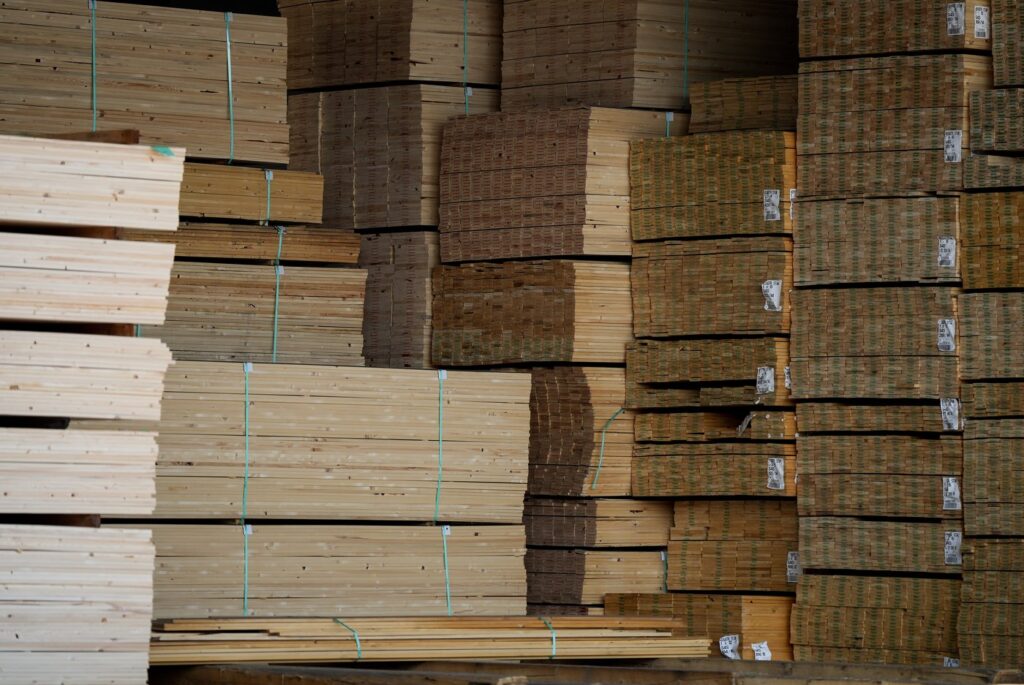
Canada's softwood lumber industry has been significantly affected by U.S. tariffs, adding to the existing tensions between the two countries regarding lumber exports. This issue is part of a long-standing conflict that has seen various trade barriers imposed on Canadian lumber, making the situation even more complicated. Historically, the relationship between Canada and the U.S. regarding lumber has been fraught with disagreement, particularly as the U.S. has often claimed that Canada benefits from unfair subsidies, thus allowing Canadian lumber to be sold at lower prices in their market.
In a recent podcast episode, host Caryn Ceolin interviewed Russ Taylor, a consultant with expertise in global wood business and market trends. Taylor provided insights into the impact of these tariffs on Canada's lumber sector. He explained that the levies have not only affected logging companies and sawmills but have also created a ripple effect across related industries. The tariffs make it challenging for Canadian lumber to compete in the U.S. market, where American lumber producers are now able to capitalize on the situation.
Taylor noted that the softwood lumber dispute is not a new phenomenon; it has been a contentious issue for decades. He described how this ongoing conflict has become deeply ingrained in the trade relationship between Canada and the United States. As both countries continue to engage in negotiations, the stakes for the Canadian lumber industry remain high. The presence of tariffs can lead to decreased exports, which ultimately could hurt local economies that depend heavily on lumber production.
In light of these challenges, Taylor emphasized the importance of Canadian government support for the lumber industry. He suggested that there are several strategies that Canada could adopt, including fostering improved relationships with domestic and international partners, as well as investing in technology and innovation within the industry. By enhancing productivity and sustainability, Canada could not only bolster its lumber sector but also present a stronger case in meetings with U.S. policymakers.
The discussion between Ceolin and Taylor illuminated how the complexities of international trade can significantly impact local industries. Listeners were encouraged to consider the broader implications of tariffs, not only for the lumber industry but also for related businesses and communities that rely on this crucial sector. As the situation continues to evolve, the dialogue surrounding softwood lumber will undoubtedly remain a vital element in the Canada-U.S. trade relationship.
For those interested in exploring this topic further, the episode can be accessed through various platforms, including Apple Podcasts and Spotify. The conversation sheds light on a critical issue that continues to impact Canada's economy and trade dynamics.








