

OTTAWA — A recent report on child murders in Canada highlights significant institutional failures that contributed to the deaths of eight children. The analysis, prepared by the National Association of Women and the Law in conjunction with law professors from the University of Sherbrooke, stresses that numerous warning signs had been overlooked prior to these fatalities. The findings indicate that mothers, and in one case a grandmother, raised concerns regarding their children’s safety but were often dismissed or penalized by authorities, allowing the children to remain in contact with known abusive fathers.
The report, made public on Thursday, examines the circumstances surrounding the deaths of eight children across five different cases. It reveals that family members consistently expressed concerns and "repeatedly reached out" to police and family courts regarding the safety risks their children faced. In particular, a tragic incident in 2019 involving a seven-year-old girl from Granby, Quebec, exemplifies these failures. The girl was discovered unconscious in her room and later passed away in the hospital after being placed in her father’s custody, despite prior warnings from her grandmother about potential sexual abuse.
According to the report, the grandmother lost custody due to being perceived as hostile when she reported the risks. Institutional failures are highlighted, noting that the director of youth protection failed to advocate for necessary home visits, and no actions were taken when the girl was removed from school for an extended period. Eventually, the child’s stepmother was convicted of manslaughter and false imprisonment, while the father pleaded guilty to false imprisonment as well.
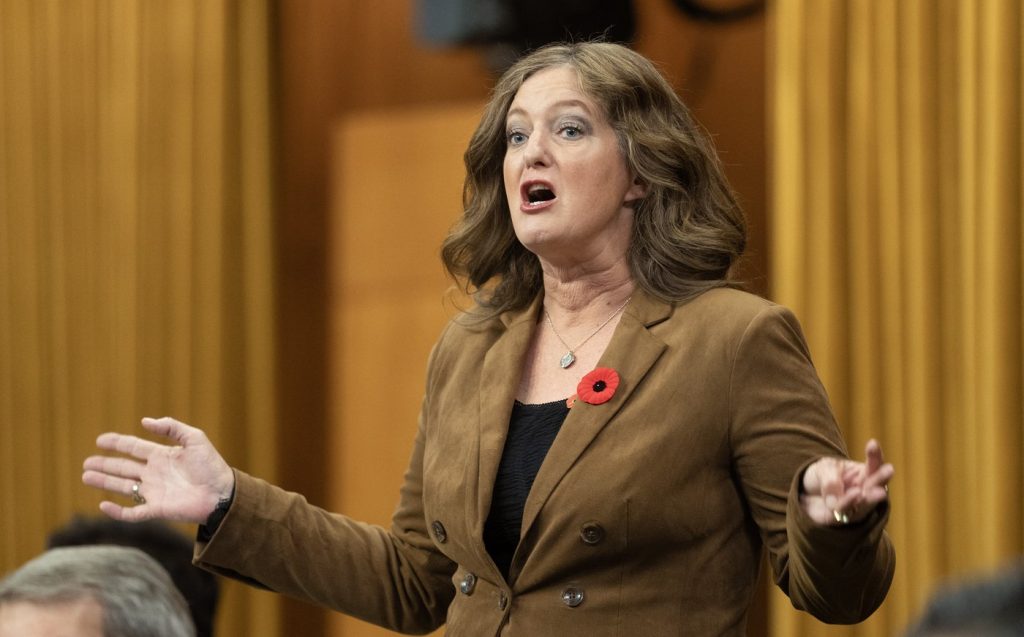
The authors of the report are scheduled to present their findings at a press conference at Parliament Hill on Thursday morning. They will be accompanied by Liberal MP Lisa Hepfner, who has introduced a private member’s bill aimed at addressing issues related to parental alienation claims. Hepfner's proposed legislation asserts that, except in certain circumstances, courts should not consider any allegations that one spouse has manipulated or encouraged a child to resist contact with the other spouse.
The report emphasizes that the concept of parental alienation is frequently employed in Canadian courts, often used by parties involved in child custody battles to rationalize a child's reluctance to interact with a parent, effectively casting doubt on any allegations of domestic abuse. The authors contend that by interpreting a child’s resistance, or a protective parent's warnings, as manipulation instead of as an indicator of danger, institutions may inadvertently perpetuate or mandate contact with an abusive parent. This, in turn, increases the vulnerability of the child involved.
In addition to addressing parental alienation, Hepfner’s bill proposes further modifications to the Divorce Act. These changes would require lawyers to actively screen for signs of family violence during divorce proceedings and grant judges new tools to recognize the presence and effects of coercive control on children. Furthermore, the legislation aims to ensure, in certain cases, that children have the opportunity to voice their preferences in custody disputes.








