

In a significant turn of events, authorities in Canada have charged a man in connection with threatening statements he allegedly made online targeting Prime Minister Mark Carney. The accused, identified as 45-year-old Ousmane Bah, hails from Quebec City and has been implicated for his posts on the social media platform Facebook.
The Royal Canadian Mounted Police (RCMP) initiated an investigation into Bah's online activities on July 6, following reports of the threatening behavior. This investigation soon revealed the nature of Bah's posts, which included not only death threats against the Prime Minister but also elements that could be interpreted as promoting hatred towards specific identifiable groups.
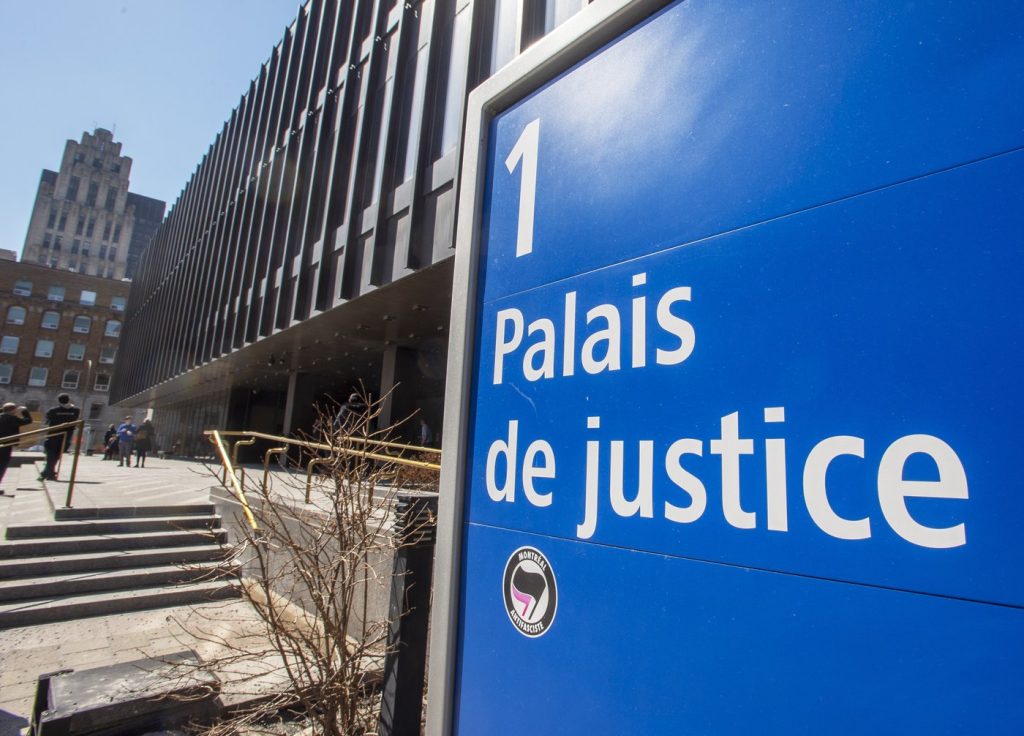
As a result of this investigation, Ousmane Bah faced legal repercussions, leading to his appearance in court on September 24. He has been officially charged with uttering threats and promoting hatred, which are serious offenses under Canadian law aimed at ensuring public safety and protecting individuals from incitement to violence or discrimination.
Following his court appearance, Bah was remanded in custody. He is scheduled for his next court appearance on October 1, as the legal proceedings continue to unfold. This case highlights the increasing concerns regarding online behavior and the potential for harmful rhetoric to translate into real-world threats, particularly in today's digital age where social media can amplify such messages.
The charges against Bah bring to light the Canadian authorities’ vigilant approach in addressing threats against public officials and their commitment to combating hate speech. Such actions are part of a broader initiative to maintain civil discourse and protect individuals from violent expressions in public forums.
As the legal process continues, this case serves as a reminder of the responsibilities that come with free speech, especially in the context of social media platforms, where the line between expression and incitement can often blur. The outcome of this case may have implications for how similar cases are handled in the future and could influence ongoing discussions about online safety, hate speech, and the legal limits of free expression in Canada.








