

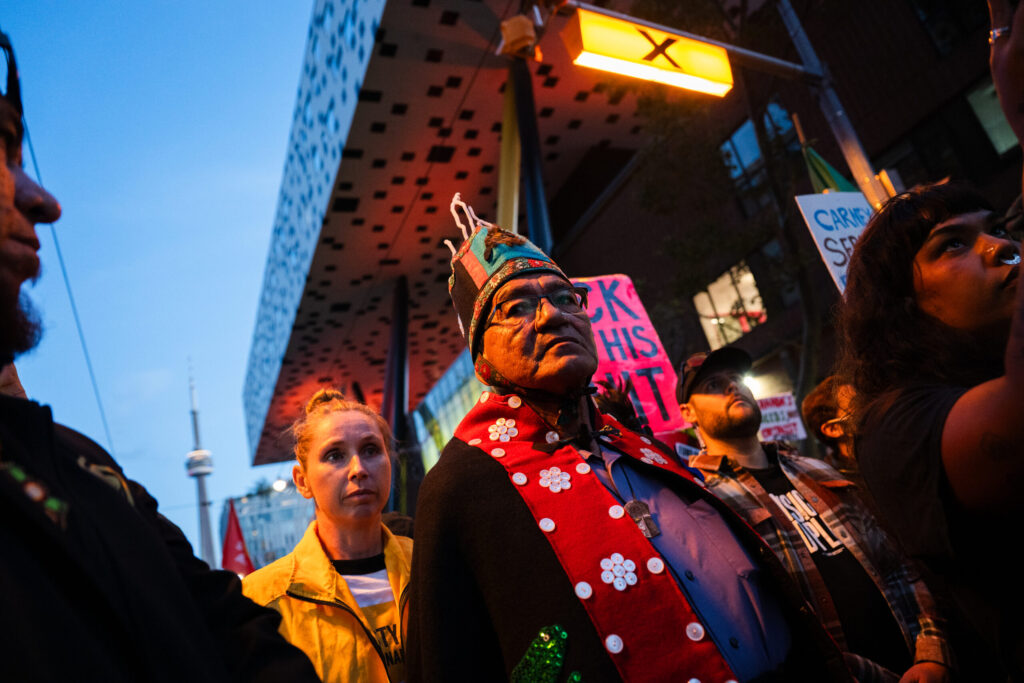
In the latest episode of The Big Story podcast, the focus is on Prime Minister Mark Carney's ambitious vision for a stronger Canada, which appears to be at odds with the necessity for genuine dialogue and consultation with Indigenous communities. Carney's eagerness to fast-track various infrastructure projects raises concerns about sidelining meaningful conversations with First Nations, Inuit, and Métis groups.
During the Investment Summit held in Toronto earlier this month, Carney proposed a substantial investment of one trillion dollars aimed at enhancing Canada's infrastructure. However, this proposal has ignited protests across the country, as hundreds of demonstrators argue that their voices are being overlooked in the planning stages of such influential projects. The backlash mirrors ongoing tensions regarding the Ontario government’s plans for infrastructure in the Ring of Fire region, particularly concerning Bill 5, which some view as diminishing their participation in decision-making processes.
Host Caryn Ceolin engages in a dialogue with Chadwick Cowie, a political science professor at the University of Toronto. The discussion delves into the nuanced relationship between the Carney administration and Indigenous groups, addressing the implications of ignoring their perspectives. Cowie emphasizes that marginalizing these voices poses significant dangers not just to the communities involved, but to the broader Canadian society.
The podcast highlights that negotiations and collaborations with Indigenous groups are not merely formalities; they are crucial for fostering trust and ensuring that development projects are sustainable and equitable. When Indigenous rights and concerns are overlooked in favor of rapid economic development, it can lead to long-term grievances and conflicts, undermining both societal harmony and future projects. Cowie points out that the stakes are higher than just infrastructure; they involve fundamental rights and the well-being of future generations.
This situation brings to the forefront the importance of incorporating diverse perspectives in public policy discussions. By sidelining Indigenous voices, the government risks missing valuable insights that could contribute to more holistic and effective planning. The discussions surrounding infrastructure development in Canada cannot occur in isolation from the interests and rights of Indigenous peoples, as their historical connections to the land and natural resources are pivotal to understanding the broader context of development.
As the dialogue progresses, it becomes clear that the issue at hand is not merely about economic investment but also about respect, recognition, and the necessity for collaborative governance. Carney's vision for Canada must not only include economic advancement but also a commitment to inclusivity and equity for Indigenous communities, a factor that could redefine Canada’s national identity and socio-economic landscape.
Listeners are invited to explore these pertinent topics further by subscribing to The Big Story podcast on platforms like Apple Podcasts and Spotify, where the discussions continue to unravel complex issues impacting Canadian society.








