

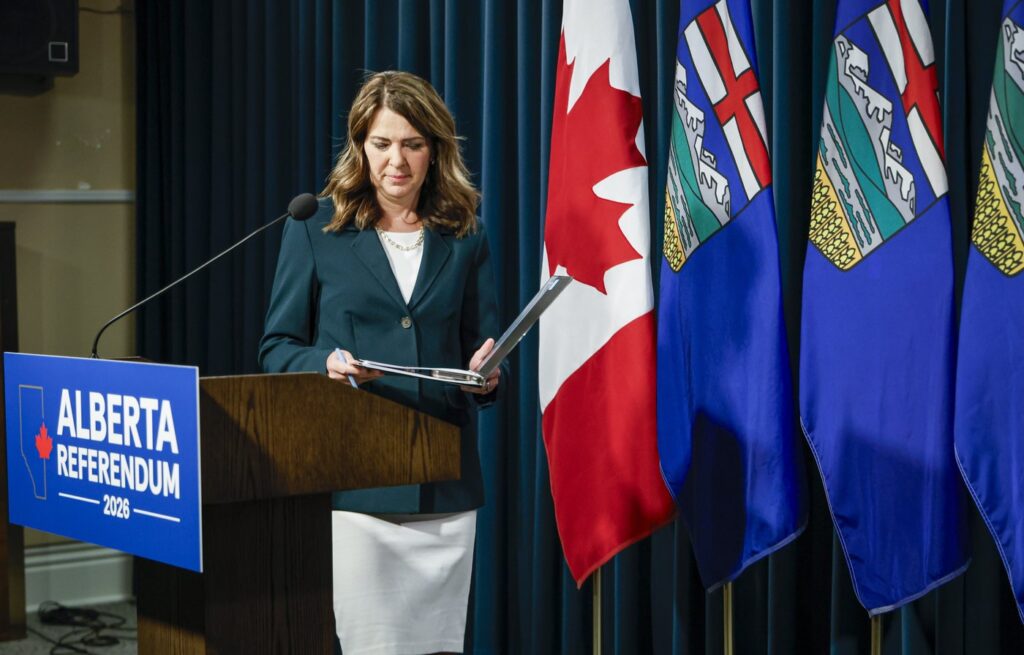
The recent release of survey results has prompted key discussions around the future of Alberta's economy, immigration system, and constitutional reforms. Albertans participated in a comprehensive evaluation that covered a range of topics, revealing significant public sentiment regarding changes to programs accessible by non-citizens. Additionally, voters expressed a strong rejection of constitutional amendments, particularly those aimed at abolishing the Senate.
The survey results indicate a clear preference among the populace for limiting the services and programs available to non-citizens. This suggests a potential push towards more stringent immigration policies, reflecting concerns over resource allocation and social services that are presumably strained by the presence of non-citizens. The data emphasizes a shift in how residents perceive the responsibilities of the government towards its citizens compared to non-citizens.
In discussing the implications of these findings, Caryn Ceolin speaks with political science professor Jared Wesley from the University of Alberta. Their conversation delves into the political landscape of Alberta and the influence of these survey results on Premier Danielle Smith's negotiations with the federal government. The importance of this leverage cannot be understated, as it may shape the province's stance on various federal policies and funding arrangements.
Wesley highlights the notable urban-rural divide reflected in the survey results. Urban residents may have different perspectives and needs compared to those living in more rural areas of Alberta, leading to divergent views on immigration and constitutional reforms. This division complicates the task of political leaders who must balance the distinct priorities of these demographics while steering the province's policies.
The conversation also touches on the potential for the provincial New Democratic Party (NDP) to position itself more strategically in light of the survey insights. If the NDP can align its platform with the sentiments expressed by Albertans in the survey, it may be able to carve out a greater role for itself in the ongoing political discourse and negotiations with Ottawa. This could either enhance their electoral appeal or place them at the forefront of emerging issues related to governance and representation in Alberta.
Overall, the survey has opened numerous avenues for political discussion, and the ramifications of these results will likely echo through Alberta's political sphere in the coming months. The data reflects a pivotal moment in the province's engagement with federal policies and highlights the importance of understanding the electorate's priorities to inform future governance.