

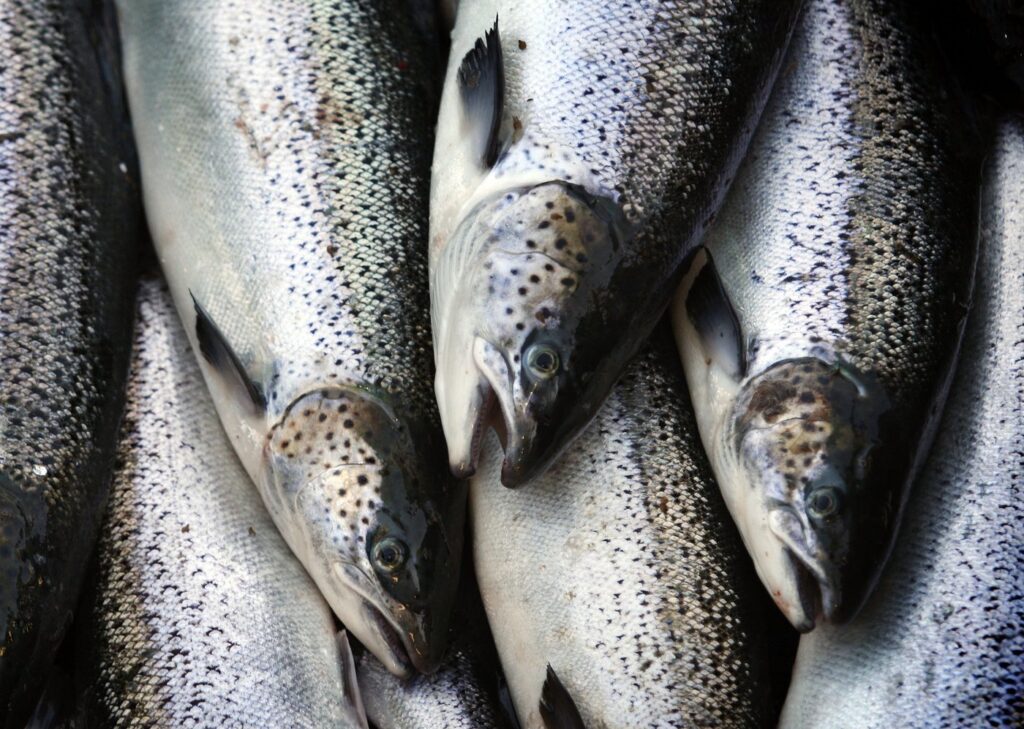
Aquaculture, intended to reduce the burden on the world's fish supply, has ironically contributed to its degradation. This industry, which raises fish in controlled environments, has led to practices that compromise marine ecosystems rather than preserving them. As demands for fish continue to rise, aquaculture has turned to smaller fish species that are caught and processed into fishmeal, which in turn is used as feed in various aquaculture operations and livestock farming.
Across the globe, over 1,400 fishmeal factories operate, with nine located in Canada alone. These facilities often contribute to severe environmental degradation and have negative impacts on local communities. The fishing and processing practices associated with these factories are not just harmful to the ecosystem but also jeopardize the livelihoods and health of nearby populations. Pollution and overfishing are rampant in areas surrounding these factories, raising serious concerns for public health and the sustainability of local economies.
In a recent episode of The Big Story podcast, host Maria Kestane delves into these pressing issues with guests Maya Martin and Susan Ryan from the Outlaw Ocean Project. Their investigation sheds light on the fishmeal industry, revealing the often-hidden consequences of fish farming and the fishmeal production process. As aquaculture becomes a larger component of the fishing industry, it raises essential questions for consumers about the sources of their food and the ethical implications of their choices.
During the discussion, Martin and Ryan outline key concerns regarding the methods used to obtain fishmeal. Typically, small fish species, which are vital in the marine food web, are harvested in massive quantities. These fish, often low on the food chain, are typically not consumed directly by humans but are instead converted into fishmeal that supports larger aquaculture species like salmon. This practice not only threatens the populations of smaller fish but also destabilizes entire marine ecosystems, leading to broader ecological consequences.
Furthermore, the podcast highlights the poor working conditions faced by individuals involved in the fishing and processing sectors. Many workers endure hazardous environments with limited rights and protections, illustrating the human cost associated with this industry. The podcast emphasizes the need for greater transparency in food sourcing, urging consumers to consider the ethical and environmental implications of their dietary choices. It encourages listeners to reflect on the true cost of their meals and the broader impact of aquaculture practices on global fish populations.
Listeners can access the full conversation through the embedded player or by subscribing to The Big Story podcast on platforms like Apple Podcasts or Spotify. This episode serves as a crucial reminder that as demand for fish products continues to grow, consumers must be more aware of the repercussions their choices have on both the environment and society at large.








