

OTTAWA — Experts in European Union (EU) policy are advising Canada to consolidate its achievements with the EU, especially as right-wing movements gain traction across the continent. In recent discussions, academics have underscored the importance of formalizing legal frameworks that support such partnerships in light of emerging political trends in Europe.
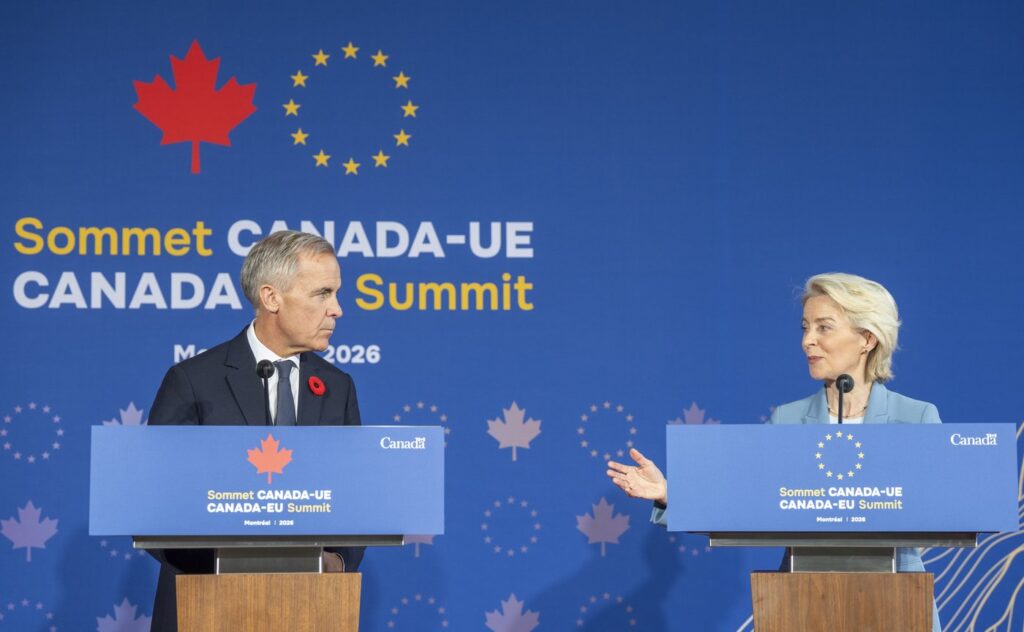
During a testimony to the House foreign-affairs committee, following a significant summit in Montreal last week, scholars highlighted the summit as a historic step towards strengthening Canada-EU relations. Carleton University professor Achim Hurrelmann emphasized that while the notion of Canada becoming an “associate member” of the EU garners symbolic attention, it is important for officials to focus on translating that attention into substantial legal accomplishments. He argued that Canada should prioritize formalizing successful outcomes into European law, which would secure long-term benefits and relationships.
Hurrelmann also pointed out the potential for restructuring the existing trade deal between Canada and the EU to enhance economic advantages for both parties. His remarks suggest that collaborative efforts should focus on embedding successful initiatives into the legal frameworks of the EU to ensure they withstand political fluctuations and changes within member states.
Adding to the discourse, University of Toronto professor Mark Manger critiqued the outcomes of the Montreal summit, suggesting that many agreements reached were not significantly different from those that Mexico already has with the EU. This implies that Canada may not have extracted as much unique value from the negotiation process as it could have. Manger proposed a more strategic approach by recommending that Ottawa consider allowing European mobile networks to operate in Canada. In return, he suggested European countries could lift restrictions on the import of Canadian food products, creating a mutually beneficial arrangement that could foster stronger trade ties.
The testimony from these experts highlights the need for Canada to be proactive in its diplomatic and economic engagements with the EU, particularly in the context of rising right-wing populism that may threaten the stability and openness of EU markets. As political dynamics shift, academics argue that solidifying the gains made during high-level summits through legal mechanisms will be crucial for maintaining a favorable relationship with Europe.
Overall, the emphasis on strategic legal and economic frameworks, as advised by both professors, serves as a cornerstone for Canada's future negotiations with the EU. The integration of concrete and robust agreements is vital for building a sustainable partnership that can withstand both internal and external challenges faced by the EU.








