

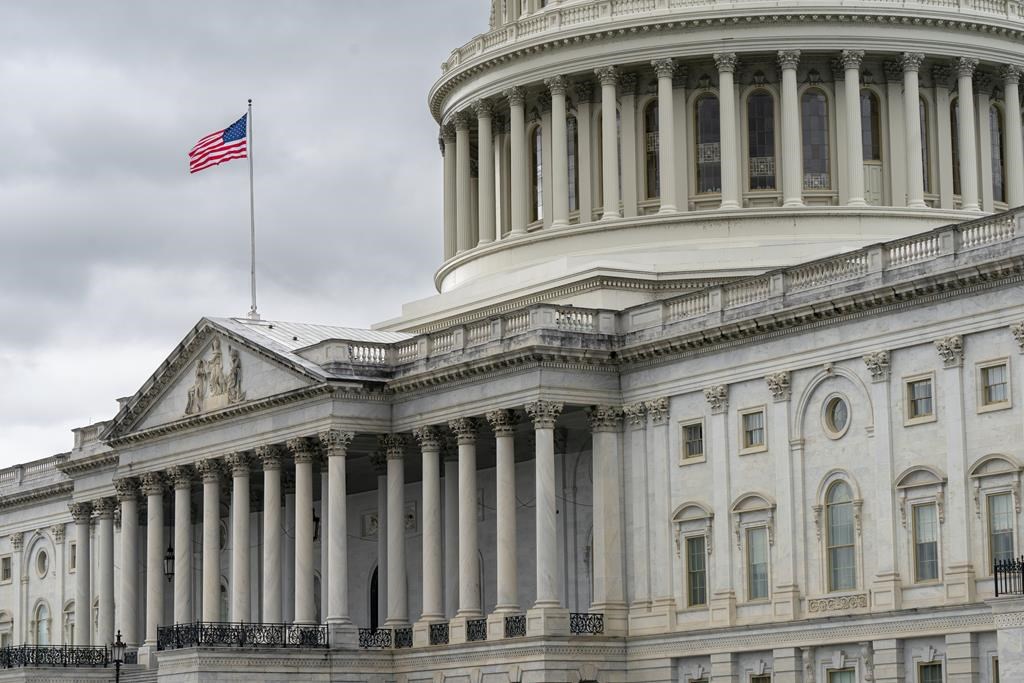
As Americans prepare to cast their ballots in the midterm elections on Tuesday, Canadians are closely observing the potential implications of these outcomes on their side of the border. This heightened interest reflects the intertwined nature of U.S.-Canada relations, particularly in light of recent tensions stemming from U.S. tariff policies and the treatment of trade agreements.
For the Republican Party, the stakes are high as they aim to maintain their slender majorities in both the House of Representatives and the Senate. Securing control over these chambers is crucial for the party to advance their legislative agenda during the imminent two years of Donald Trump’s second term. In contrast, the Democrats are hopeful about flipping both the House and Senate, which would enable them to curtail Trump’s exceptional use of executive powers that have characterized his administration.
Polling data suggests that Democrats are favored to gain control of the House; they need to achieve a net gain of three seats for a majority. The situation in the Senate appears more complex, as the Democrats require a net gain of four seats, and while some polls indicate that this is achievable, it remains uncertain.
Throughout his presidency, Donald Trump has predominantly utilized executive orders as a strategy to bypass Congress, particularly to advance his tariff and trade agendas. Early in his administration, Canada became a primary target of Trump's tariff measures, leading to widespread discontent among Canadians, especially given the president's alarming threats of annexation. Tensions reached a peak in August when trade negotiations failed—resulting in Trump imposing 50 percent tariffs on a broad swath of Canadian goods, banning imports of additional Canadian products, and even invoking an executive order to rename Lake Ontario as Lake America.
In a recent statement on Sunday, Prime Minister Mark Carney acknowledged having a constructive conversation with Trump regarding a trade deal, although he did not elaborate further on the discussions. This suggests an ongoing, albeit complicated, dialogue about the contentious trade relationship.
CityNews is actively covering the election dynamics in Washington, where some voters expressed that Canada weighs heavily on their minds as they prepare to vote. Many voters voiced their disapproval of Trump’s policy decisions affecting their northern neighbor. One voter poignantly stated, “It’s the horror story. It’s horrible. They’re our best neighbors.” Another voter lamented the unfortunate state of relations with Canada, emphasizing that the American people did not choose this adversarial stance.
Additional perspectives included concerns about the impacts of the former North American Free Trade Agreement on the U.S. manufacturing sector. A voter remarked, “There needs to be fair trade across ... I personally like our northern neighbors tremendously. But in the same sense, I’m not a fan of tariffs either way with a country as long as they’re treating each other fair.”
The prevailing issue among those interviewed by CityNews was the affordability and overall cost of living, with several individuals attributing significant economic impacts to Trump’s policies as a driving factor in the midterm elections.
CityNews 24/7 will provide live coverage of the U.S. midterm elections throughout Tuesday evening. You can watch it on the CityNews website here.
With files from The Associated Press








