

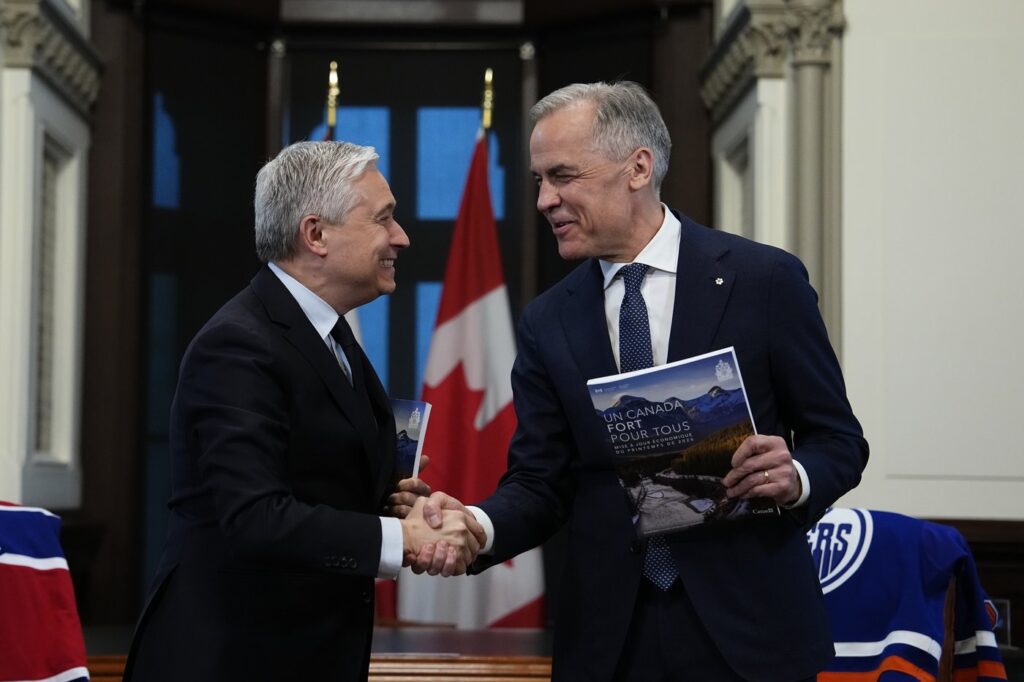
OTTAWA — The Liberal government is preparing to present its 2026 budget, but focus group findings indicate that Canadians are not closely monitoring the state of federal finances. Finance Canada engaged the market research firm Environics to conduct a series of focus groups shortly after the spring economic update was made public on April 28.
Mid-year fiscal updates serve as an interim look at federal finances, providing insights between budgets and occasionally announcing new spending priorities. Over the course of one week, Environics organized 10 online focus groups with a total of 73 Canadians, segmented into younger and older participants.
A final report from these discussions was delivered on June 4, just a month before the government commenced pre-budget consultations for the summer. Despite the focus group results only recently being made public, the findings highlight a general disengagement from fiscal updates among Canadians.
The report indicated that recognition of the spring economic update was significantly low, even after participants were reminded of its existence. Following the 2025 federal election, the Liberal government increased deficits through new spending initiatives aimed at reducing Canada’s economic dependency on the United States. Importantly, the April fiscal update revealed a better than anticipated short-term deficit situation primarily due to stronger-than-expected economic performances at the end of the previous year.
Despite the state of finances, focus group participants expressed minimal concern about the deficit. Many believed that there is no urgent need to balance the budget, citing external pressures like U.S. tariffs and global conflicts, particularly the war in the Middle East. The report noted, “For most, the deficit is just a number and they had little sense of what that really meant or how it affected their personal lives or standard of living.”
However, prolonged government deficits necessitate increased federal expenditure on interest payments, which can eventually limit the government's ability to respond to economic shocks. While many focus group participants simply acknowledged that running large deficits could negatively impact the economy, they advocated for a more measured approach to managing borrowing. Conservative Leader Pierre Poilievre has been vocally critical of the Liberal government regarding these deficits, urging it to eliminate wasteful spending ahead of the upcoming budget.
The Liberal government defends its fiscal strategy, claiming it maintains sustainable practices by reducing the deficit as a percentage of the economy and pledging to borrow only for capital investments beginning next year. Participants, however, demonstrated limited awareness of specific items detailed in the economic update. For instance, few acknowledged the grocery and essentials payment introduced to replace the previous GST benefit for low-income families.
While a pause on the federal fuel excise tax received positive feedback, some participants mistakenly associated it with the earlier abolishment of the consumer carbon price. Notably, the spring economic update also proposed nearly $6 billion to support job training for young Canadians in skilled trades, yet most focus group members were unaware of this initiative until it was mentioned in the discussion.
Finance Canada's regular roundtables aim to capture public sentiment regarding economic conditions and government actions. While qualitative research yields diverse opinions, it does not adhere to traditional polling methodologies. This approach enables the department to gauge public attitudes towards economic health and personal financial well-being.
Friday's budget will reveal whether increasing global oil prices have mitigated the impact of heightened federal spending commitments that have escalated since the spring economic update. Significant changes occurred in 2025 when Prime Minister Mark Carney adjusted the federal fiscal timeline, leading to budget announcements being held in the fall with mid-year updates in the spring.
Only a handful of older participants, identified as “news junkies,” reported awareness of the spring economic update, with more significant recognition evident regarding Carney's international travels to establish new trade partnerships. Younger participants notably leaned towards U.S. news stories, likely due to their media consumption habits on platforms like TikTok and Instagram.
Despite the overall low recognition of the spring economic update among participants, Environics found that once they were briefed on its details, responses ranged from neutral to positive. Many participants expressed that they did not hold high expectations for federal government actions typically.