

WASHINGTON (AP) — Tuesday's elections stand as a significant turning point for Donald Trump, shaping the trajectory for the final two years of his presidency. If the Republican Party loses control of Congress in this midterm election, Trump could face a barrage of Democratic investigations into his administration and personal business dealings, potentially leading to another impeachment. This electoral outcome would also shift the focus towards those vying for the 2028 presidential candidacy, overshadowing Trump’s current authority.
Trump has framed these elections as a referendum on his leadership, urging voters to "pretend I’m on the ballot." His decision to centralize himself in the midterm narrative represents a substantial risk, as it could alienate voters frustrated with his presidency. The Democrats are ready to capitalize on this, seeing Trump's heightened visibility as a means for voters to connect their grievances—particularly regarding the economy, which remains a primary concern—to his administration's actions.
Senator Andy Kim (D-N.J.) remarked on Trump's impact, stating, “Everyone is thinking about him and the harm that he has done to them directly.” Should Trump manage to retain Republican majorities, it would bolster his position within the party, signaling that his support remains robust despite a challenging national landscape.
As Trump campaigned vigorously in conservative states, he was acutely aware of the implications of a Republican loss in Congress. He communicated this urgency to his supporters, expressing that the repercussions could result in strenuous Democratic-led investigations. In fact, he dismissed concerns by claiming he had become adept at navigating impeachment processes, having been acquitted twice during his first term. This strategy appears to galvanize his base, allowing him to rally support even in the face of adversity.
Democratic leaders are already outlining their objectives should they gain control of Congress, targeting various policies enacted by the Trump administration along with possible misconduct from its officials. For examination, California Representative Robert Garcia is poised to investigate immigration policies, while also scrutinizing the Trump family's business dealings and issues surrounding the Jeffrey Epstein investigation.
A Democratic majority would have significant powers, including control over committee agendas, increased budgets, and the ability to issue subpoenas. Should the White House choose to ignore these requests, it could mirror strategies employed during Trump’s earlier presidency, such as delaying responses or asserting executive privilege.
Trump also anticipates major legislative battles, asserting confidence in his "strong veto." He mentioned, “I hope that that won’t be the case, but if it is, that’s happened before with many presidents.” The future could involve an unprecedented third impeachment process or significant scrutiny directed at senior officials from his administration.
Throughout the final weeks of the campaign, Trump conducted a series of rallies, frequently in Republican strongholds, acknowledging that these events underscored a sense of urgency as elections approached. He attempted to break historical patterns that typically see the sitting president's party lose ground in midterms by hosting a unique two-day convention in Dallas and making extravagant campaign pledges.
However, Trump’s campaign messaging seemed scattered at times. Instead of focusing on pressing issues like inflation or rising fuel costs, he often diverted to personal anecdotes and embellishments regarding his time in office. He shared thoughts on physical appearances of Republican candidates and boasted about various renovations he completed in Washington, D.C.
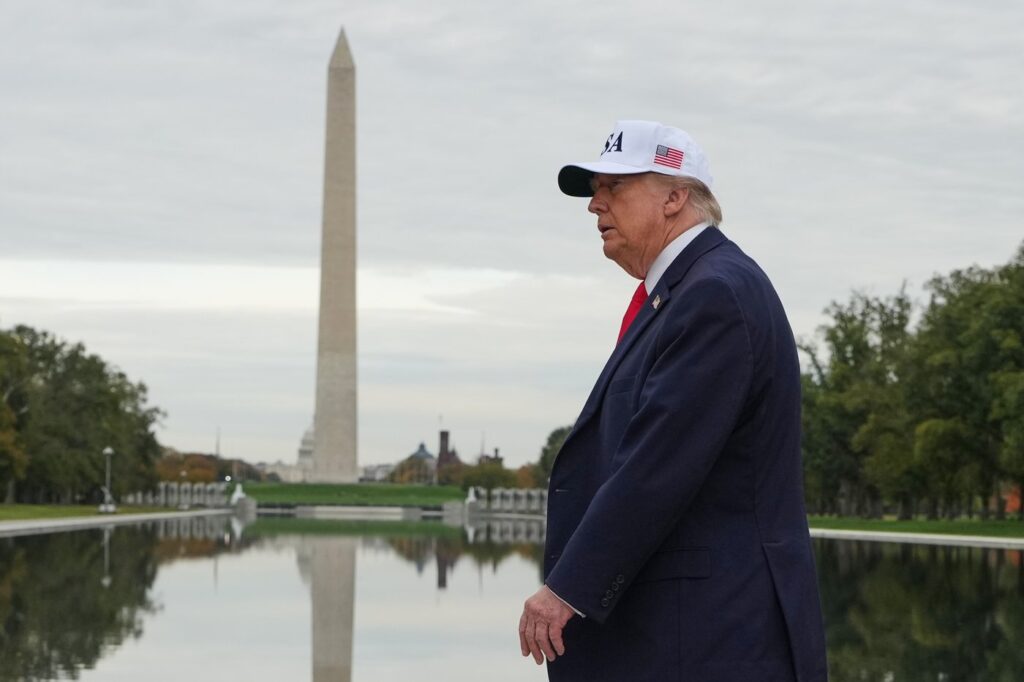
In a last-minute appeal to supporters, Trump delivered a lengthy address at the National Mall, predominantly discussing his perceived impact on beautifying the capital. His remarks tended to stray from addressing voters’ immediate concerns, indicating a disconnect between his narrative and the electorate's sentiments in the face of critical mid-term elections.








