

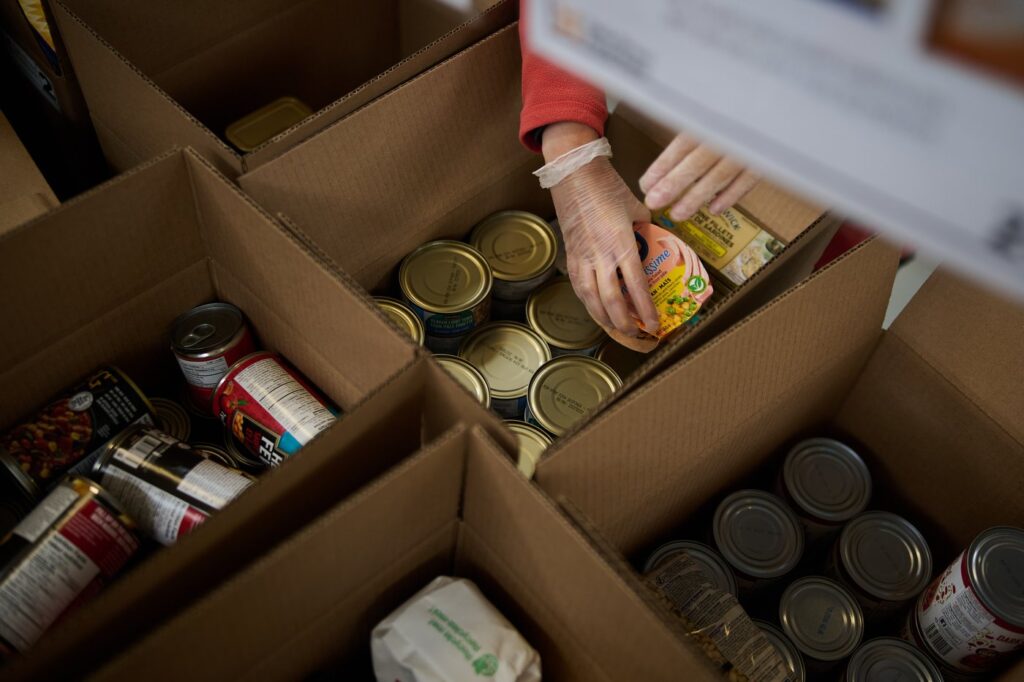
Recent results from an annual national poverty survey in Canada highlight a deteriorating situation regarding food affordability, particularly among the youth. The findings come amidst ongoing tariff disputes imposed by the United States that are affecting the Canadian economy. The Salvation Army's 2026 Poverty and Socioeconomic Analysis, released recently, reveals that a growing number of Canadians are struggling to afford food.
The survey, which gathered responses from over 1,500 Canadians, found that 31 percent of participants reported having skipped meals or reduced the size of their meals due to financial constraints, an increase from 27 percent the previous year. Additionally, the use of community support services, such as food banks, has also risen, with 15 percent of respondents acknowledging they accessed these resources compared to 11 percent last year.
Younger Canadians are particularly affected by these issues. Among respondents aged 18-34, a staggering 41 percent indicated they had skipped meals—10 percentage points higher than the overall average—while 23 percent reported utilizing food support services. This demographic's challenges are concisely captured in the findings, underscoring a concerning trend among younger individuals.
The survey further indicates that apprehensions regarding U.S. tariffs and their impact on the Canadian economy have intensified. Almost 90 percent of Canadians express concern that the ongoing trade tensions will result in increased prices for essential goods. Notably, three in five respondents reported feeling the economic strain directly linked to these tariffs.
Conducted over several days in September among a nationally representative sample, the survey included current and past users of Salvation Army services, with participation from members of the Angus Reid Forum. However, it is worth noting that residents of Canada's territories were not included, and a margin of error cannot be calculated due to the non-probability nature of the sample.
The situation extends beyond food insecurity to housing concerns as well. Half of the respondents lack confidence in their ability to find affordable housing that meets their needs. Additionally, 24 percent reported spending at least half of their after-tax income on housing costs. This raises alarm about the overall economic strain on households across the country.
To meet basic needs, a significant 50 percent of Canadians surveyed admitted to dipping into their savings, while 40 percent resorted to taking on debt or using credit. These coping mechanisms illustrate the extent of financial distress experienced by many families.
Glenn van Gulik, the strategic engagement director for the Salvation Army, characterized the survey results as "deeply concerning." He emphasized that for numerous families, the challenge of making ends meet is increasingly about making tough choices between essentials such as food, housing, and other basic necessities.
The survey findings paint a troubling picture of growing poverty and economic uncertainty in Canada, particularly for young people who face unique challenges. The escalating concerns about food and housing affordability, coupled with external factors like tariffs, indicate a pressing need for solutions to support families grappling with these critical issues.








