
In one of the most consequential midterm elections in decades, Democrats have successfully picked up three key U.S. Senate seats, shifting the political landscape of the chamber. Prior to the election, Republicans held a 53-47 majority, with 35 Senate seats up for reelection—22 held by Republicans and 13 by Democrats. To gain control of the Senate, Democrats require 51 seats, particularly as Republican Vice President JD Vance has the power to break tie votes.
As the election results come in, Democrats have managed to flip critical Senate seats in North Carolina and South Carolina, while also securing victories in Georgia and New Hampshire. At present, Democrats hold 48 seats in the Senate.
Among the significant races to watch, the contest in North Carolina featured former governor and state attorney general Roy Cooper, who won election to the U.S. Senate against Republican candidate Michael Whatley. Cooper's victory marks a crucial pickup for the Democrats, as the seat was vacated by Republican Senator Thom Tillis, who opted not to seek another term.
In Georgia, Democrat Jon Ossoff successfully defeated Republican Mike Collins to retain his Senate seat, essential for the Democratic Party's efforts to flip control of the Senate. Ossoff, seen as vulnerable at the start of the election cycle, outperformed Collins in fundraising and ran a vigorous campaign highlighting critiques of former President Donald Trump.
The Iowa Senate race is particularly notable as Republican Senator Joni Ernst is retiring, opening a competitive seat for the first time since her victory in 2014. The Democratic nominee, state Rep. Josh Turek, aims to revive Democratic turnout amid a challenging political backdrop for Republicans. Turek brings a unique perspective as a Paralympic gold medalist, while his opponent, U.S. Rep. Ashley Hinson, faces scrutiny for her ties to the Trump administration despite having the former president's endorsement.
In Alaska, Democrat Rep. Mary Peltola is up against Republican Senator Dan Sullivan. Polls indicate a tightly contested race, with Peltola trying to portray herself as an independent voice, distancing from national Democratic figures. The state utilizes ranked-choice voting, which could prolong the determination of a winner should no candidate achieve over 50% of the votes.
Ohio sees former Democratic Senator Sherrod Brown running against Republican Jon Husted, who was appointed to the Senate in 2025. Historically, Ohio has leaned Republican in recent elections, but Brown hopes his established name and previous record will resonate with voters, particularly as data centers become a focal point in the campaign.
In Maine, Senator Susan Collins, the sole Republican representing a state that has never voted for Trump, remains a top target for Democrats. The nomination of Troy Jackson comes after prior candidate Graham Platner withdrew following sexual assault accusations. Polls indicate a competitive race between Jackson and Collins, with Jackson aiming to capitalize on national political sentiments.
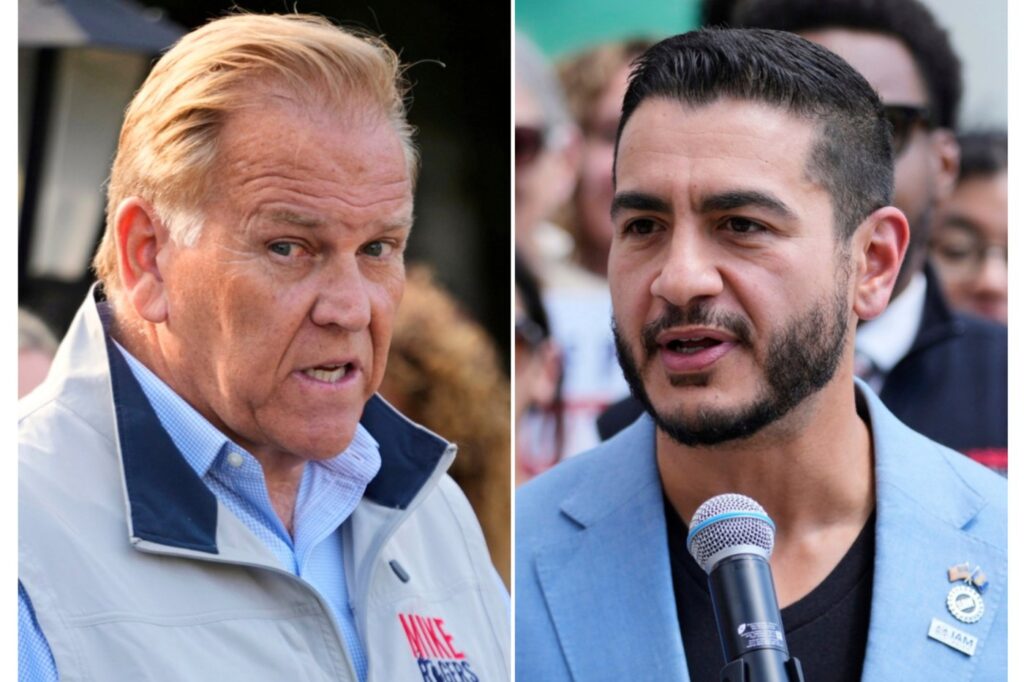
Michigan Democrats look to Abdul El-Sayed, a progressive who narrowly won the primary to face former Congressman Mike Rogers in the general election. Rogers, coming off a narrow defeat to Democratic Senator Elissa Slotkin in 2024, must navigate a political environment favorable to Democrats while countering El-Sayed’s progressive platform.
In Texas, Democrat James Talarico's victory against Republican Ken Paxton marks a historic achievement as it represents the first statewide office win for a Democrat since 1994. Talarico's campaign focused on local economic relief and addressing concerns about Paxton's past, which includes corruption allegations.
Finally, in New Hampshire, Democrat Chris Pappas emerged victorious over Republican John Sununu, securing an essential seat for the Democrats in their bid to control the Senate. Pappas's victory also reflects a continuing trend of Democratic success in the state, as he becomes the first openly gay man elected to the Senate.