

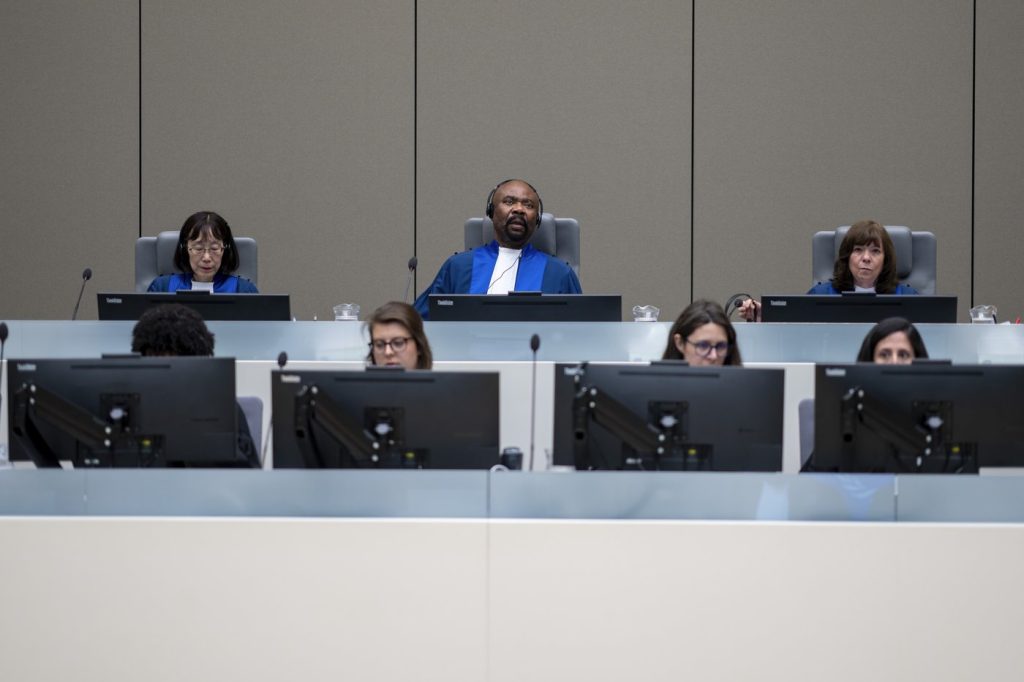
In a recent move, the Trump administration has imposed sanctions on Kimberly Prost, a Canadian judge serving at the International Criminal Court (ICC). This action comes as part of the U.S. State Department's ongoing resistance against the tribunal, particularly in relation to its investigations concerning U.S. personnel in Afghanistan.
The State Department claims that Prost's sanction is directly linked to her decision to authorize the ICC's investigation into alleged war crimes involving U.S. military actions. The sanctions are not limited to Prost; several ICC judges from other nations, including France, Fiji, and Senegal, have also been targeted. These sanctions are reportedly connected to the ICC's examination of Israel's conduct in Gaza and the West Bank, further complicating international relations.
In its statement, the State Department has labeled the ICC as "a national security threat" and accused it of being used as a tool for "lawfare" against the United States and its close ally, Israel. This rhetoric indicates a significant tension between the U.S. government and the ICC, as the latter represents an international effort to uphold justice for potential war crimes and crimes against humanity.
The International Criminal Court itself has responded to these sanctions with condemnation, asserting that the measures aim to undermine the independence and authority of an international judicial institution. The ICC has consistently maintained its commitment to impartial justice and has criticized external pressures that seek to influence or hinder its operations.
As a significant figure within the ICC, Kimberly Prost's role as a judge has brought her under scrutiny, especially after her involvement in cases relating to high-profile investigations. The ICC, headquartered in The Hague, Netherlands, has faced growing challenges from nations opposing its jurisdiction and mandate. This incident underscores the fractures within international law and the complexities of holding powerful nations accountable for their actions.
The sanctions imposed by the Trump administration contribute to a broader pattern of pushback against the ICC. Legal experts and international observers are concerned that such actions could deter future cooperation with international legal entities and undermine efforts to seek justice for victims of war crimes globally. The implications of these sanctions could resonate in the realm of international law and the efficacy of institutions designed to maintain peace and accountability.
The tension between the U.S. government and the ICC reflects a growing divide over issues of sovereignty, accountability, and international justice. As the global community continues to grapple with these challenges, the roles of entities like the ICC become increasingly critical in the pursuit of justice for all.








