

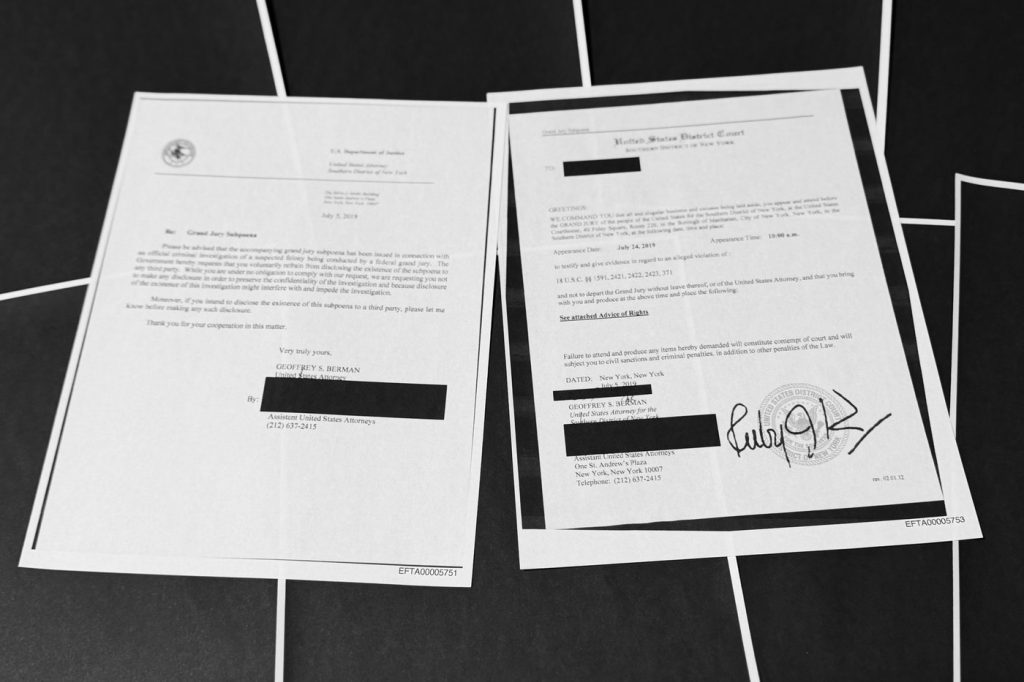
On Friday, the U.S. Department of Justice published a significant but incomplete release of files related to Jeffrey Epstein, a decision that has been met with considerable public anticipation and political controversy. The release includes thousands of documents such as photographs, call logs, and court records, but many of these files have been heavily redacted, leading to dissatisfaction among politicians and the public.
Deputy Attorney General Todd Blanche had previously indicated that the release would comprise several hundred thousand files, but the actual number turned out to be around 4,000, predominantly consisting of photographs taken during FBI searches of Epstein's residences in New York City and the U.S. Virgin Islands. The Justice Department has stated that more documents will be released in the coming weeks, with a goal to complete the disclosure by the end of the year.
The released materials include various images, some of which show former President Bill Clinton, who has acknowledged flying on Epstein's private jet but maintains that he had no knowledge of Epstein's illegal activities. Among the released photos are images of Clinton with individuals whose identities have been redacted, including a picture of him in a hot tub with an unidentified woman. The reaction from Clinton's camp has been defensive, with his deputy chief of staff emphasizing that they did not engage with Epstein after his crimes became known.
The initial release has raised eyebrows particularly due to its minimal references to Donald Trump, who was once friends with Epstein. The files do contain at least one photograph of Prince Andrew, implicated in past allegations related to Epstein. The lack of new revelations regarding Trump and other high-profile individuals has disappointed many observers and critics alike.
Lawmakers, including Democrats and Republicans, have expressed their frustration, labeling the Justice Department's release as a failure to comply with transparency goals outlined in the law signed by Trump, mandating the release of Epstein-related documents. Representatives Ro Khanna and Thomas Massie criticized the insufficient release on social media, with Massie describing it as “gross” and Khanna labeling it “disappointing.” Sen. Jeff Merkley echoed similar sentiments, calling the partial release a setback for justice regarding Epstein's victims.
In light of the legal and political challenges regarding transparency, the House Oversight Committee has issued a subpoena for the Epstein files, which may provide Congress with another method to compel the release of more information. However, coordinated efforts between parties may be required for any effective action against a Republican administration.
The controversy surrounding the release has opened wider discussions about the necessity for greater transparency in high-profile investigations involving influential individuals. Continued pressure from lawmakers and public advocates emphasizes the need for accountability and thorough disclosure from the Justice Department regarding Epstein's connections and the extent of investigations against him.








