

On December 19, 2025, the U.S. Department of Justice released a long-anticipated file dump related to Jeffrey Epstein, the convicted sex offender whose connections to powerful individuals have drawn public scrutiny. This release, however, fell short of the expectations surrounding its potential revelations, leading to frustration and criticism from various political figures. The documents included thousands of photographs but significantly fewer files than initially projected, prompting allegations from Democrats that the Trump administration aimed to withhold critical information.
Deputy Attorney General Todd Blanche had anticipated the release of several hundred thousand files, but instead, the documents made available primarily consisted of around 4,000 images, along with call logs and court records, many heavily redacted. The Justice Department acknowledged in a letter to Congress that the initial production of files was incomplete, clarifying that further releases would be forthcoming in the upcoming weeks.
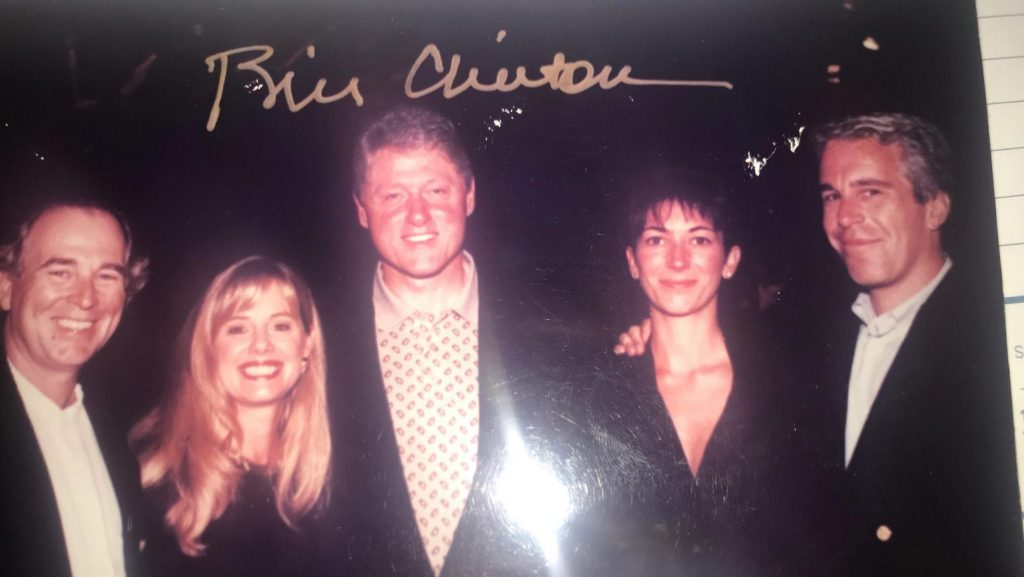
The released images predominantly comprised photographs taken during FBI searches of Epstein's residences in New York City and the U.S. Virgin Islands, showcasing contents seized during the investigations. Many documents were redacted to remove personally identifiable information of victims, particularly those depicting abuse. Despite the limited content, some of the photographs featuring notable figures, including former President Bill Clinton, garnered significant attention.
Among the controversial images were several of Clinton with women whose identities were obscured. Clinton had previously acknowledged traveling on Epstein's private jet but maintained that he had no knowledge of Epstein's illegal activities. Photos included Clinton pictured in a hot tub and swimming pool with Ghislaine Maxwell, who has been convicted of luring underage girls for Epstein. Clinton’s spokesperson defended him, asserting that he and others distanced themselves from Epstein prior to the latter's criminal charges.
While Clinton's presence in the files generated discussions, former President Donald Trump was only minimally referenced. The few images that surfaced with Trump appeared to be old and previously known. Trump's previous attempts to keep Epstein's records sealed raised eyebrows, but he eventually capitulated to political pressure, signing a bill mandating the release of the Justice Department's files within 30 days.
High-profile individuals appeared scantily represented in the documents, further fueling speculation about the thoroughness of the investigations. Critics voiced frustration over the redactions and lack of comprehensive disclosure, reiterating calls for transparency. Some lawmakers, including Reps. Ro Khanna and Thomas Massie, expressed disappointment, arguing that the partial release did not comply with the law’s intent.
Skepticism surrounding the release's adequacy was echoed by victims of Epstein's abuse, who urged more complete transparency from the Justice Department. Marina Lacerda, a survivor of Epstein's alleged sex crimes, expressed her dissatisfaction with the released documents and called for the unredacted files to be made public.
Finally, the Justice Department's release continues to spur debate over accountability and transparency, with lawmakers considering potential legal avenues to compel further disclosures on Epstein and his associates. As new files are expected by the end of the year, the ongoing scrutiny of Epstein's extensive network and the broader implications of the investigations remain matters of keen public interest.








