

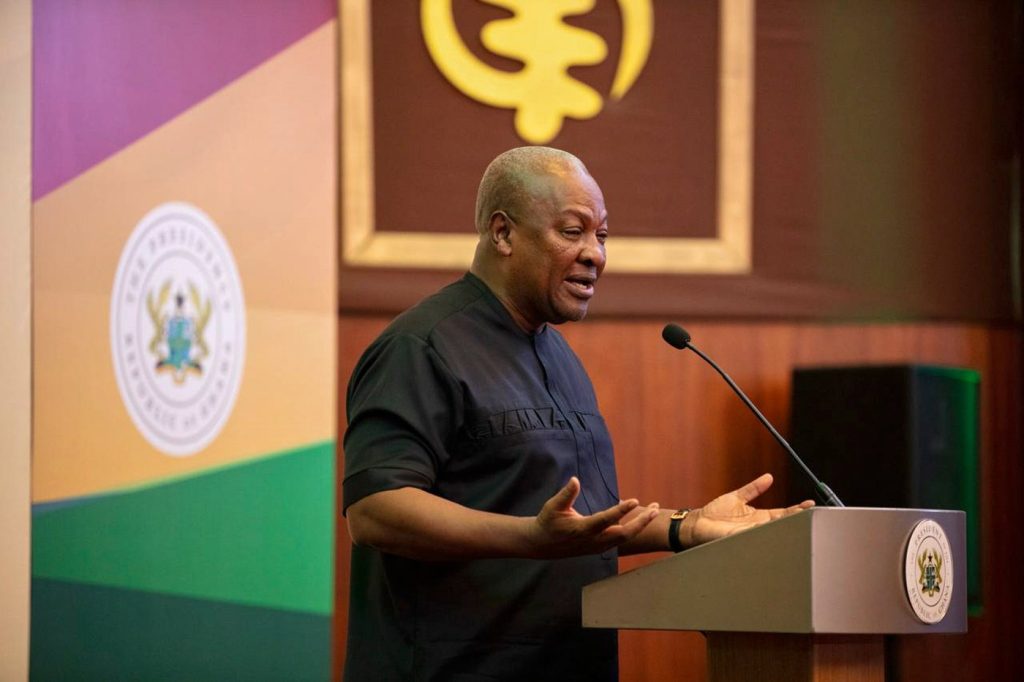
ACCRA, Ghana (AP) – Ghana has recently welcomed a group of 14 West African deportees from the United States, as announced by the country's President John Mahama. This development places Ghana alongside countries like Uganda, Rwanda, and South Sudan, which have also received deported migrants from the U.S. The move marks Ghana as the first West African nation to formalize an agreement with the U.S. regarding the acceptance of deported foreign nationals.
During a press conference held late Wednesday, President Mahama stated, “We agreed with Washington that West African nationals were acceptable because all our fellow West African nationals don’t need a visa to come to our country.” This aspect of free movement within West Africa facilitates the return of deported individuals to their home countries. The deportees included nationals from Nigeria and Gambia, who are reportedly planning to return to their respective nations.
President Mahama refrained from disclosing any details regarding the criminal histories of the deportees. However, he emphasized the protocol of free movement in West Africa, asserting, “Any West African is welcome in Ghana.” He explained the rationale behind accepting deportees, hinting at a broader commitment to regional cooperation and the importance of welcoming West African nationals into Ghana.
In July, U.S. President Donald Trump convened meetings with five West African leaders from Senegal, Mauritania, Guinea-Bissau, Liberia, and Gabon. The discussions centered around whether these countries would agree to accept deportees from the United States. At that time, Nigeria, which constitutes the majority of deportees arriving in Ghana, expressed significant resistance to the idea, highlighting the immense pressure African nations are under to accept migrants.
The context of these deportations is rooted in the policies of the current U.S. administration, with President Trump's second term marked by rigorous immigration enforcement, particularly targeting individuals deemed as criminals or those who have overstayed their visas. This hardline approach has led to a heightened focus on migrant populations from various countries, including those in Africa, further complicating international relations regarding immigration.
As Ghana navigates this new agreement, the implications for regional migration policies and the treatment of deportees remain to be seen. The acceptance of these deportees may set a precedent for future interactions between African nations and the United States. The situation highlights the ongoing challenges and complexities involved in international immigration policies, particularly as they relate to the movement of individuals within the West African region.








