

OTTAWA – Cervical cancer has emerged as the fastest-growing type of cancer in Canada, despite being nearly preventable. Advocacy groups, including the Society of Gynecologic Oncology of Canada and the Women's Health Coalition, are assembling in Ottawa to pressure the federal government to enhance screening, prevention, and vaccination efforts related to this health crisis.
Dr. Shannon Salvador, the president of the Society of Gynecologic Oncology of Canada, emphasized that the nation aims to eliminate cervical cancer by 2040. While some countries, such as Australia and Sweden, are approaching the target of reducing cervical cancer cases to fewer than four per 100,000 people—considered a benchmark for elimination—Canada's rates are currently more than double that figure and continue to rise.
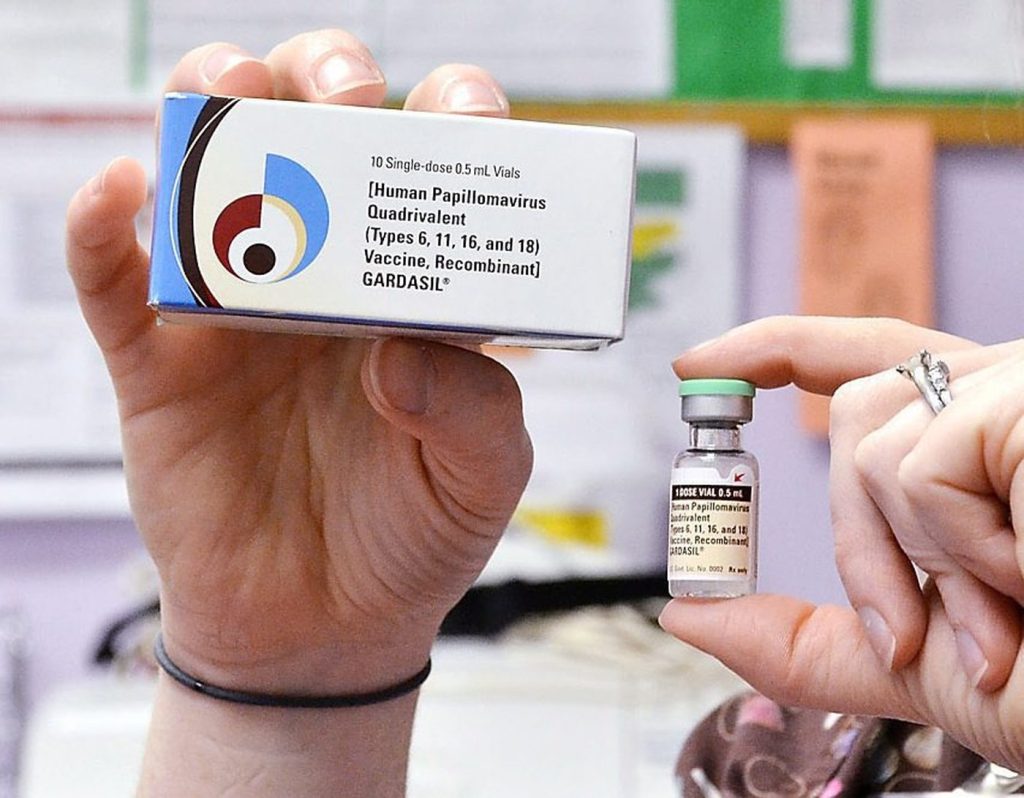
More than 90 percent of cervical cancer cases are linked to the human papillomavirus (HPV), a prevalent virus with numerous strains. Research indicates that roughly 75 percent of individuals will experience at least one HPV infection during their lifetime. Fortunately, a highly effective HPV vaccine has been available for several years, with the National Advisory Committee on Immunization recommending a single dose for school-aged children. Data from 14 countries, including Canada, has shown that girls who received the vaccine experienced an 83 percent reduction in the two most significant cancer-causing HPV types.
An advisory committee comprising federal and provincial experts on cervical cancer has recently published a "white paper" addressing the issue. The authors emphasize that no other intervention is as effective in preventing cancer as the HPV vaccine. Canada’s goal for eliminating cervical cancer hinges on achieving a 90 percent vaccination rate among children under 18 by 2025; however, current vaccination uptake hovers around 64 percent—well below the target.
The provinces and territories have initiated HPV vaccination programs for children aged nine to 13, yet research reveals that only about 64 percent of eligible youngsters receive the vaccine. The report advocates for increased support and outreach to ensure that all children receive the vaccine via school programs, along with a catch-up initiative for anyone under 18 who missed vaccination in school. Additionally, it suggests implementing a publicly funded policy to provide access to the vaccine for those under 45.
The cost of the vaccine is approximately $215 per dose, with adults typically requiring two doses to complete their vaccination series. Access to the vaccine varies across the nation, as Quebec covers the vaccine expense for individuals aged nine to 20 and has introduced a temporary program that allows those up to 45 to receive two doses of the vaccine. This program is expected to conclude shortly, according to the province's official website.
In the territories and provinces such as British Columbia, Alberta, Saskatchewan, and New Brunswick, the vaccine is covered for individuals up to age 26. Meanwhile, Ontario and Manitoba provide vaccination for school-aged children and individuals classified as high-risk. While cervical cancer is the most recognized manifestation of HPV, the virus can also lead to cancer in other areas, such as the vagina, vulva, and even cancers affecting men, including penile, anal, and mouth and throat cancers. The report indicates rising rates of these illnesses, asserting the importance of vaccinating boys as well.
Moreover, the report calls for advancing early detection and screening programs. Some provinces, including Quebec, Ontario, Prince Edward Island, and British Columbia, now utilize HPV testing as the primary cervical cancer screening method instead of the less effective Pap test. Certain provinces have also implemented self-testing programs to enhance screening efforts.
Carmen Wyton, president of the Women’s Health Coalition of Canada, is urging lawmakers in Ottawa to support a Senate bill that would create a national framework focused on promoting and safeguarding women’s health. Passing the bill could help standardize access to HPV testing and self-sampling across provinces, thereby ensuring consistent health equity.
This is a critical time for Canada as it confronts its cervical cancer crisis with the support of advocacy groups, experts, and lawmakers, working towards a future where cervical cancer cases are significantly reduced.








