

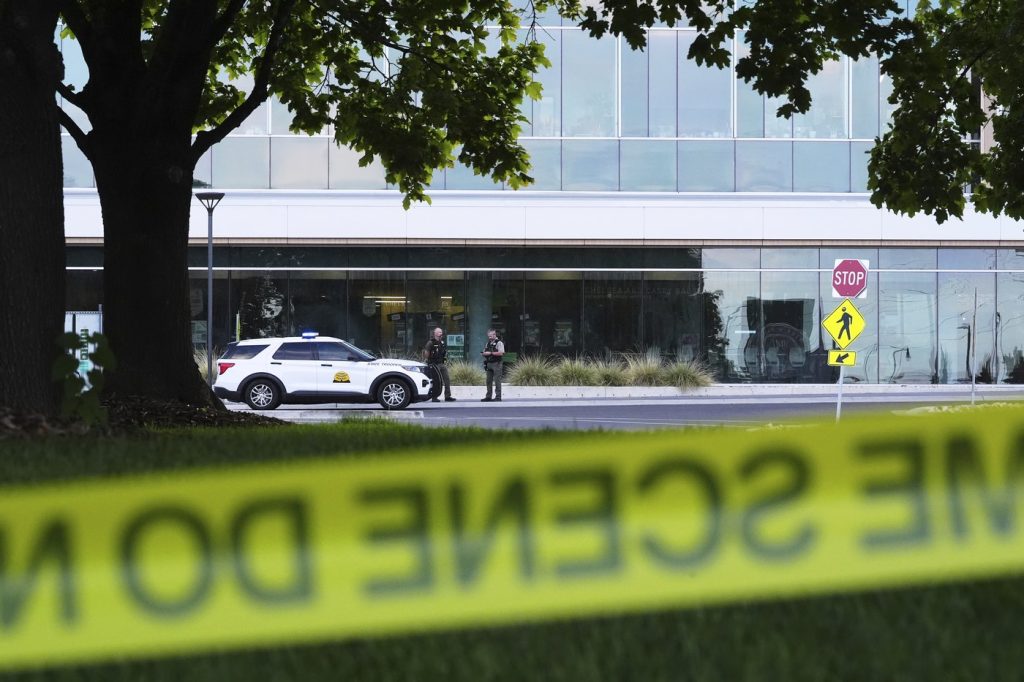
In the wake of Charlie Kirk's shooting, Russia quickly moved to amplify conspiracy theories surrounding the incident, disseminating alarming claims about America descending into civil strife. Just hours after Kirk's death, Russian social media channels propagated narratives suggesting that the United States is increasingly violent and polarized. Chinese and pro-Iranian groups joined the fray by spreading misleading information, with narratives supporting antisemitic theories and those portraying the U.S. as dysfunctional.
The manipulation of social media by America’s adversaries is not a new phenomenon. They have historically utilized fake accounts and bots to portray the U.S. as a country plagued by extremism and gun violence. Kirk's killing has been levered by foreign actors to stimulate political polarization and to alter public opinion about American institutions and society, reinforcing a negative image of the U.S. abroad.
Prominent Russian ultranationalist Alexander Dugin tweeted about Kirk’s death, suggesting it is a precursor to a civil war in America. Concurrently, pro-Russian bots blamed Democrats for the shooting, predicting ongoing violence. Russian state media circulated articles posing questions like "Was Charlie Kirk's Killer a Pro?" and suggested conspiratorial underpinnings aimed at further destabilizing American public perception.
Although foreign disinformation constitutes a small segment of the total discourse surrounding Kirk's demise, it poses a significant threat to efforts aimed at healing political divisions in the U.S. Joseph Bodnar, a senior research manager at the Institute for Strategic Dialogue, pointed out that many of the disinformation campaigns are recycling claims already prevalent among American social media users, thereby amplifying existing domestic narratives.
Each adversarial nation tailored its disinformation strategy to serve its interests. Chinese sources highlighted the brutality associated with Kirk's death, framing it as emblematic of a violent U.S. culture. In contrast, Russian narratives connected Kirk's demise to U.S. support for Ukraine, even promoting the unfounded claim that the Ukrainian government orchestrated the killing in retaliation for Kirk's opposition to aid for Ukraine.
Pro-Iranian entities advanced a different conspiracy, suggesting that Israel was behind the murder and that the shooter was a scapegoat. This narrative attracted traction among white supremacist groups in the U.S., showcasing how damaging claims can swiftly traverse national and cultural boundaries. Following significant events, false and misleading claims can proliferate rapidly as individuals seek information online, with advanced artificial intelligence complicating fact-checking efforts.
Disinformation campaigns have been a recurring occurrence during crises such as hurricanes, wars, and public health emergencies like the COVID-19 pandemic. In particular contexts, this climate of mistrust undermines the credibility of American institutions, suggesting they are failing and inciting fears of further violence.
Amid this backdrop, calls for social media companies to enhance their measures against both foreign disinformation and domestic incitements to violence have intensified. Research by the Center for Countering Digital Hate revealed that posts advocating for retaliatory violence following Kirk's death reached an alarming 43 million views on X alone. Ahmed, the organization's CEO, criticized social media platforms for inadequately curbing the spread of violent content.
Despite assertions from Russia, China, and Iran denying their involvement in disinformation targeting American citizens, the ongoing dissemination of manipulated narratives poses significant challenges for maintaining public trust. Utah Governor Spencer Cox expressed concern about the volume of disinformation being tracked, highlighting the coordinated efforts of foreign adversaries to incite violence through these campaigns.
Cox advised individuals to disregard fear-inducing claims and instead focus on family and community, underscoring the significant concern regarding the social impact of these disinformation strategies. As the nation grapples with the implications of Kirk's death and the concurrent waves of misinformation, the need for robust mechanisms to address and counteract such actions becomes increasingly apparent.








