

HERZLIYA, Israel – Eli Sharabi endured 16 harrowing months in the dank tunnels of the Gaza Strip, where he was held hostage by Hamas. His experience included being chained, surviving on moldy pita bread, and witnessing numerous atrocities. As the conflict enters its second year since the Hamas attack on October 7, 2023, Sharabi reflects on the fate of fellow hostages, especially his companion Alon Ohel, who remains in captivity and whom he fears is suffering even more.
Despite Israel's military operations against its enemies, which have resulted in significant destruction throughout Gaza, the government still has not managed to secure the release of the final 48 hostages taken during the attack. It is believed that around 20 of these captives are alive. A new U.S.-backed peace proposal has emerged, raising hopes for the safe return of these individuals.
Sharabi, who was freed in February, faced the devastating news of losing his wife and two teenage daughters during the Hamas-led attack. He expressed that true closure will only come when all hostages, including Ohel and the remains of his brother Yossi, are returned home. For Sharabi, the shattered pieces of his family will remain incomplete until that occurs.
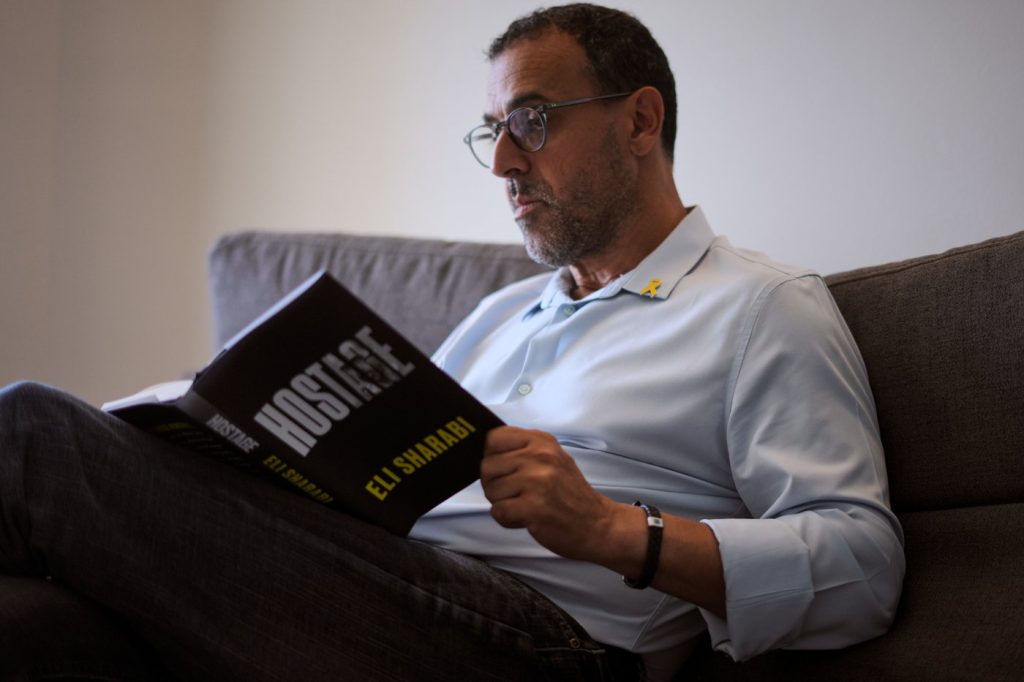
In his memoir titled "Hostage," which was released in Hebrew earlier this year and is set to be translated into English, Sharabi shares the grim details of his captivity. He recounts being held in filthy tunnels teeming with insects and rats, where basic hygiene was a rare luxury. Assaults by guards were commonplace, with one instance leaving him with multiple broken ribs.
The conditions worsened as the situation in Gaza deteriorated, with the hostages' food rations being reduced from two meals a day to merely a single portion of stale pita. Sharabi lamented how his captors indulged in luxury, consuming supplies meant for humanitarian aid while they suffered from starvation. Upon his release, he weighed a mere 44 kilograms (97 pounds), a state that drew comparisons to Holocaust survivors from notable figures like U.S. President Donald Trump.
The scale of the tragedy began with the Hamas attack on October 7, which claimed the lives of approximately 1,200 individuals and resulted in 251 kidnappings. Following the attacks, Israeli military retaliation has been severe, resulting in over 67,000 fatalities in Gaza and leaving vast areas in ruins. Approximately 90% of the 2 million residents have been displaced, with many experts indicating that Gaza City faces famine conditions.
Sharabi vividly recalls the last haunting image he saw of his family—the sheer terror in their eyes as they were forcibly separated. Throughout his ordeal, he dreamt of relocating his family far from their kibbutz home to England, where his wife hailed from. However, he has only returned to the kibbutz once, merely standing outside his former home, knowing he would eventually need to confront the traumatic memories within the walls stained with blood and the devastation left behind by the attack.
During his captivity, Sharabi had initially been placed in an apartment with another hostage, a Thai agricultural worker. After being moved to the tunnels, he was joined by three other Israelis. Taking on a paternal role, he encouraged his fellow captives to stay physically active despite being chained and helped create a sense of community among them through shared moments of positivity, prayer, and small victories against despair.
After his eventual release, Sharabi has actively campaigned for the return of the remaining hostages. His activism, including writing the memoir and meeting international leaders, is deeply driven by concern for Ohel. A poignant moment occurred when Ohel experienced a panic attack upon realizing he could be left behind during a ceasefire arrangement that resulted in three hostages' release. The emotional impact has lingered for Sharabi, making the day he left Ohel behind one of the toughest moments of his captivity.
Recently, Sharabi saw Ohel again in a hostage video that surfaced, illustrating the toll captivity has taken on him. Through his book, he aims to shed light on the darkness of the tunnels and urges influential figures to leverage their power to prioritize peace and the safe return of the hostages. Emphasizing resilience, Sharabi expresses faith in Ohel's ability to endure and remain hopeful, affirming that they will reunite and fulfill the promises made in captivity.








