

TEL AVIV, Israel (AP) — The Israeli government has confirmed that the remains of Eliyahu Margalit, a 76-year-old man who was abducted by Hamas during an attack on October 7, 2023, have been identified. Margalit was taken from the horse stables where he worked in Kibbutz Nir Oz, and his body was identified through testing conducted by the National Center for Forensic Medicine. His family has been informed about the identification. This marks the identification of the 10th body of a hostage returned since a ceasefire agreement was enacted over a week ago.
Hamas has also handed over an 11th body, though it was not that of a hostage. The ongoing effort to recover remains is fueled by a warning from U.S. President Donald Trump, who indicated that he would permit Israel to resume military actions if Hamas fails to return all 28 hostages' bodies as stipulated in the ceasefire agreement. In a statement, the hostage forum, which advocates for the families of those abducted, expressed that while Margalit’s return brings some solace, they remain determined to secure the return of the remaining 18 hostages.
The retrieval of bodies has become a critical issue in peace negotiations, along with the delivery of humanitarian aid and the opening of border crossings into Gaza. International entities support these efforts as part of attempts to end the prolonged conflict in the area. Hamas has affirmed its commitment to the ceasefire terms, including body handovers, but the search for remains is complicated by extensive destruction and the presence of unexploded ordnance. The group has also informed intermediaries that some bodies are located in regions controlled by Israeli forces.
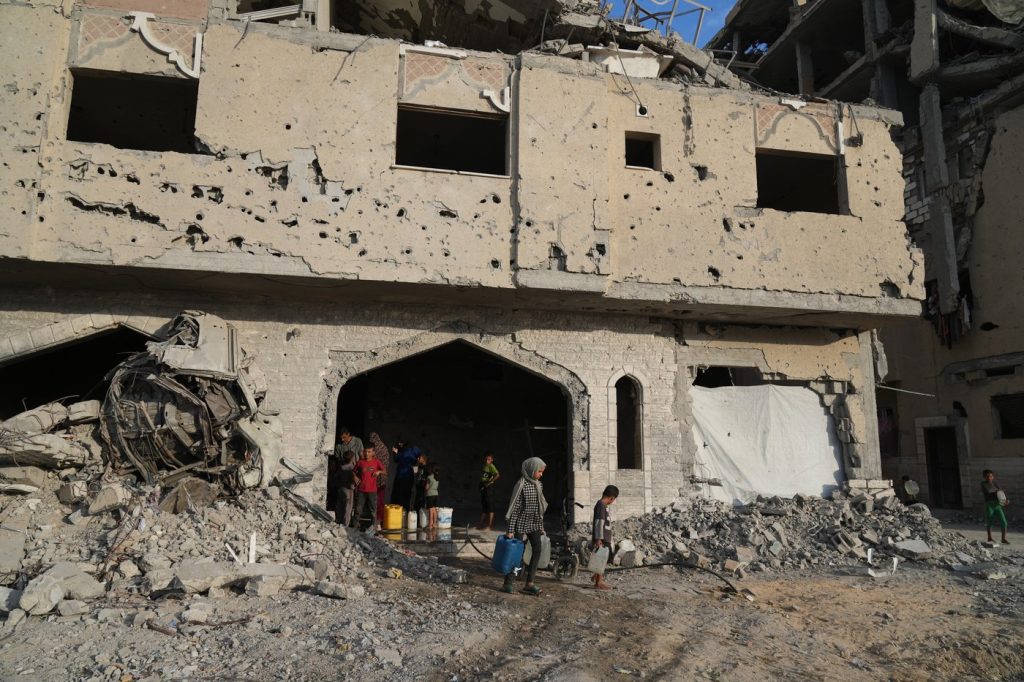
Margalit’s remains were discovered when bulldozers cleared earth in Khan Younis. Concurrently, Hamas has appealed to mediators to expedite humanitarian aid into Gaza, push for the opening of the Rafah border crossing with Egypt, and initiate reconstruction within the territory, which has been severely affected by ongoing hostilities. However, the flow of humanitarian assistance is still restricted due to continued closures of crossings and regulations imposed on aid organizations.
According to United Nations data released on Friday, 339 trucks have delivered aid to Gaza since the ceasefire began, with the agreement stipulating that approximately 600 trucks should be permitted daily. The Israeli defense body overseeing Gaza reported 950 trucks, including commercial and bilateral deliveries, crossing on Thursday and 716 on Wednesday. More than 2 million residents in Gaza are looking towards the ceasefire as a means of relief from the humanitarian crisis exacerbated by the conflict, where Israel had previously restricted aid entry or halted it altogether.
The situation in Gaza has led to grave humanitarian conditions, with famine declared in Gaza City, and the UN verifying over 400 deaths related to malnutrition, including over 100 children. Israel claims that it has allowed sufficient food into Gaza, alleging that Hamas has diverted much of this aid. However, the UN and various aid organizations dispute these assertions. The latest reports indicate that almost 68,000 Palestinians have been killed during the Israeli campaign in Gaza, according to the Health Ministry affiliated with the Hamas-run government. This figure is recognized by UN agencies and many independent experts, though Israel has contested it without presenting its own estimates. Thousands of individuals remain unaccounted for, as reported by the Red Cross.








