

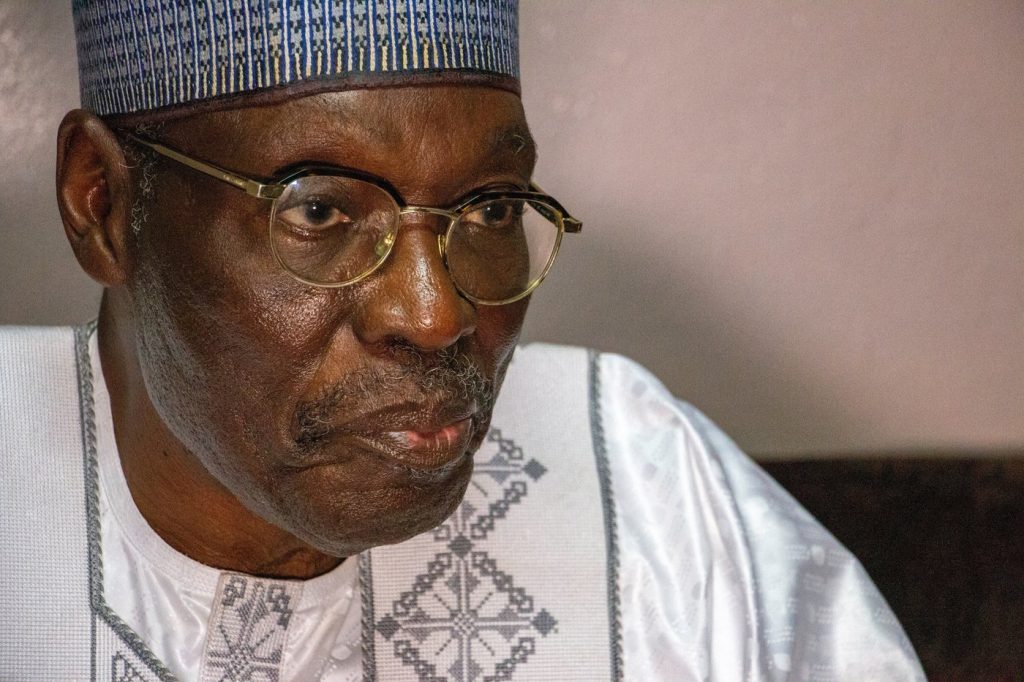
SERREKUNDA, Gambia (AP) — The Gambia has announced that it is temporarily hosting Issa Tchiroma Bakary, a prominent Cameroonian opposition leader, amidst escalating tensions following a disputed election in Cameroon. The election held on October 12 resulted in longtime President Paul Biya, who is 92 years old, securing his eighth term, which has led to violent protests across the nation.
According to Gambia's Ministry of Information, Tchiroma arrived in the country on November 7, and his stay is described as being on "purely humanitarian grounds" aimed at ensuring his safety. The Gambian government has expressed its commitment to working with regional partners, especially Nigeria, to facilitate a peaceful resolution to the tensions that have arisen in Cameroon following the election results.
A spokesperson for Tchiroma, Alice Nkom, confirmed the opposition leader's presence in The Gambia through a statement released on Sunday. Following the announcement of Biya's victory, Tchiroma, who has contested the election results, asserted that he was the rightful winner and urged Cameroonians to reject the official outcomes cited by the government.
The situation in Cameroon has deteriorated significantly, with the government planning to pursue legal action against Tchiroma for what it deems "repeated calls for insurrection." Protests erupted in significant opposition strongholds, notably in major cities like Douala — the economic hub of the country — and northern regions including Maroua and Garoua, following the announcement of the election results.
While the Cameroonian government claims that 16 individuals lost their lives during the protests, opposition figures and various human rights organizations suggest that the true death toll exceeds 55. The escalating violence poses not only a threat to public safety but also highlights the increasing unrest surrounding Biya's government, which has been in power since 1982.
Paul Biya's long tenure has been marked by significant political controversy, particularly after the abolition of term limits through a constitutional amendment, allowing him to extend his rule indefinitely. His public appearances have become increasingly rare, leading to speculation regarding his health, as he often spends considerable time in Europe while delegating governance responsibilities to party officials and family members.
In light of these developments, the Gambian government's decision to provide refuge to Tchiroma underlines the wider regional implications of Cameroon’s political crisis. The international community is closely monitoring the situation, and Gambian officials are likely to face scrutiny regarding their role in this unfolding conflict.
In summary, the political landscape in Cameroon remains profoundly unstable following the recent elections. As Gambia offers a temporary haven to Tchiroma, the potential for a negotiated and peaceful resolution seems uncertain amidst rising tensions and mounting casualties in Cameroon.








