

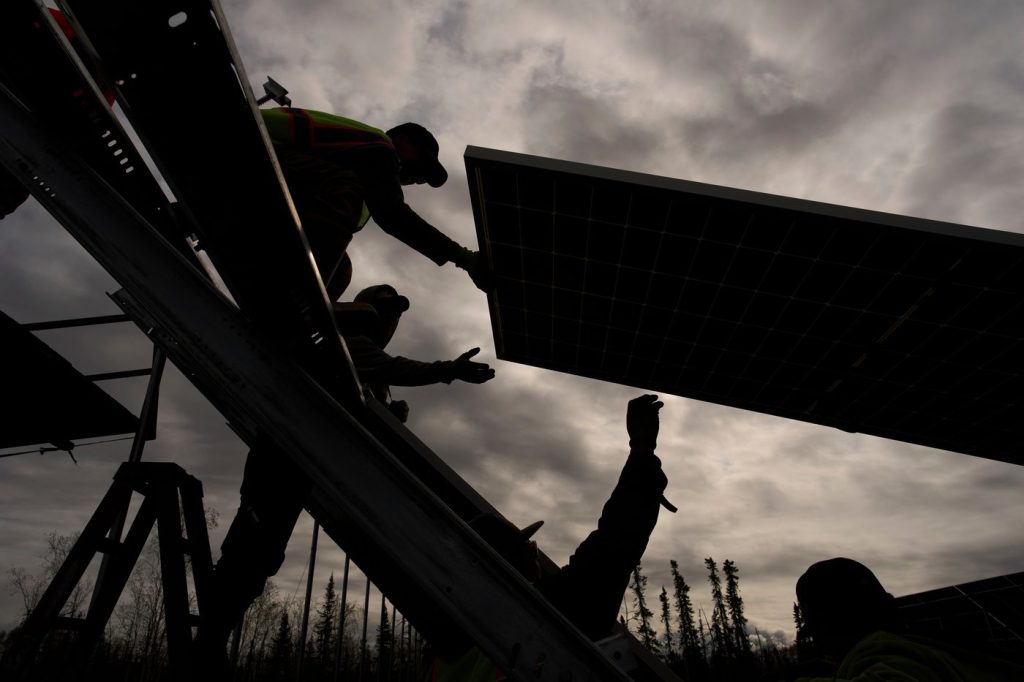
In 2025, the clean energy sector faced a tumultuous landscape, marked by significant challenges amidst some achievements. Under President Donald Trump, efforts to promote fossil fuels were intensified, while initiatives for renewable energy sources like wind and solar were frequently obstructed. Many energy developers, experts, and politicians described the year as turbulent yet showed signs of resilience in the clean energy industry.
According to surveys conducted by The Associated Press, there was some progress in integrating clean energy projects into the electric grid, despite experiencing legislative and regulatory hurdles. The increasing demand for electricity, particularly from data centers, and the economic impetus to reduce utility bills were crucial drivers for continued growth in the sector.
Jorge Vargas, a solar builder and co-founder of Aspen Power, highlighted the difficulties faced in 2025, citing Trump's negative stance towards renewable energy, which included criticisms and manipulated regulations aimed at curtailing growth. The tax and spending cut bill pushed through Congress in July severely diminished tax incentives for clean energy projects, leading Vargas to declare the year as experiencing a “cooldown effect” but also affirming the resilience of the industry.
As the year unfolded, notable policy shifts characterized the clean energy landscape, particularly following President Biden's exit from office. At the start of 2025, federal subsidies for clean energy technologies were plentiful, and many U.S.-based companies were actively engaged in producing parts and materials. However, by year's end, these subsidies were significantly reduced, supply chains weakened, and project costs increased due to tariffs. Tom Harper, a partner at Baringa, described this rapid transformation as “paradigm shifting.”
Trump's administration labeled wind and solar energy as “the scam of the century” and proceeded to halt numerous projects and permits. This included the cancellation of grants for hundreds of initiatives. The fiscal changes implemented through the Republican tax bill fundamentally altered the economics surrounding clean energy projects, prompting companies to expedite construction efforts and reassess material acquisition strategies. American Clean Power Association's CEO Jason Grumet expressed concerns that such policy uncertainty would hinder substantial investments within the sector, ultimately leading to lesser-than-anticipated declines in greenhouse gas emissions.
Despite the adverse policy environment, solar and battery storage remained prominent, accounting for 85% of the new power added to the grid in the initial nine months of Trump's administration, as noted by Wood Mackenzie research. Mike Hall, CEO of Anza Renewables, attributed growth in solar power to robust economic fundamentals, high consumer demand, and the rapid deployability of emerging technologies. Solar company Sol Systems reported a record year, while CMBlu Energy emphasized the transition of storage systems from being optional to essential.
The nuclear energy sector also saw a surge in support from both major political parties, reinforcing investments to maintain existing nuclear reactors and explore advanced reactor designs. With the Energy Department providing substantial financing for the restart of previously inactive plants like the Three Mile Island reactor, experts indicated a burgeoning recognition of nuclear power's role in combating climate change.
Conversely, the offshore wind industry struggled throughout the year as Trump's administration suspended construction on major projects and revoked essential permits. This resulted in a lack of capital inflow and reduced developer activity, causing significant setbacks for the sector. Nonetheless, hopes remain for recovery and growth due to the ongoing transition towards cleaner energy alternatives.
Looking ahead to 2026, experts emphasize the necessity of a diverse energy strategy to cope with increasing electricity demands from data centers and consumers seeking affordable utilities. Expectations continue to tilt favorably towards solar and battery storage technologies, alongside a resurgence in interest in offshore wind energy as the sector adapts to changing political landscapes. With states pivoting towards delivering reliable and economically feasible electricity, clean energy could maintain momentum moving forward, driven by market demands and technological advancements.








