

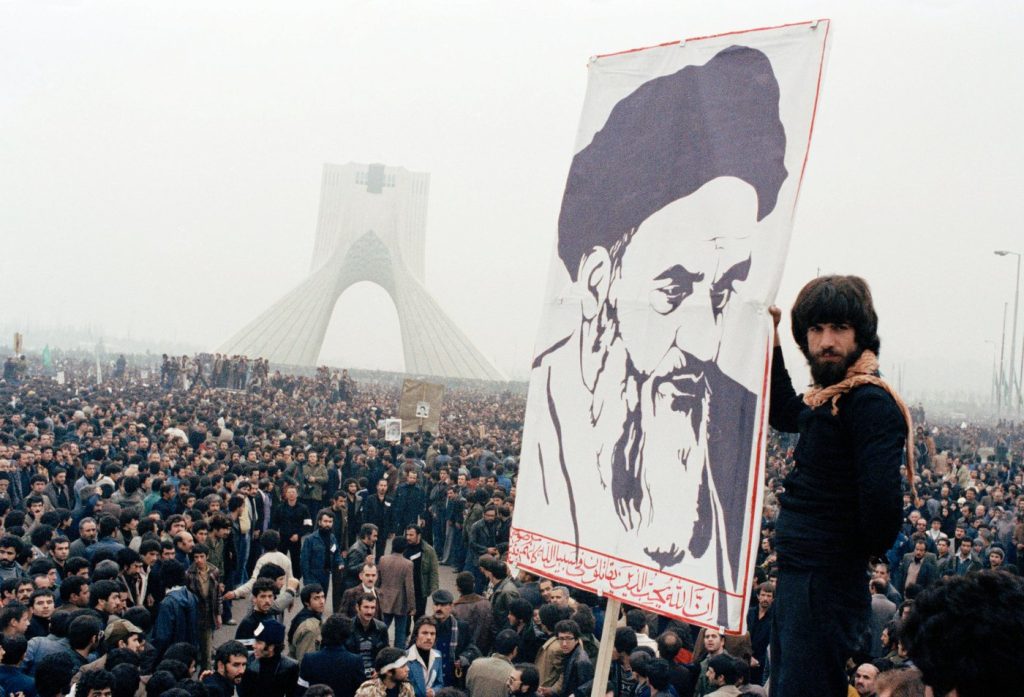
Over the last 50 years, Iran has experienced significant civil unrest, marked by a series of protests that have shaped the nation's political landscape. These movements, ranging from the 1979 Islamic Revolution to the recent demonstrations in 2024-2025, have been fueled by a combination of political, economic, and social grievances.
1979 Islamic Revolution
In the lead-up to the 1979 Islamic Revolution, various sectors of Iranian society, including students and oil workers, mobilized to demand greater political freedoms. Their protests exerted pressure on Shah Mohammad Reza Pahlavi, who ultimately fled the country. The revolution culminated in February 1979, when Ayatollah Ruhollah Khomeini established a hard-line Shiite theocracy. Following the revolution, the new regime initiated widespread executions, with thousands reportedly losing their lives. The devastating Iran-Iraq War in the 1980s further stifled public demonstrations for years.
1999 Student Protests
Fast forward to 1999, a wave of protests erupted at Tehran University, spurred by anger over the so-called "chain murders" of activists and intellectuals. A violent crackdown by security forces during the student protests led to at least three deaths and the detention of around 1,200 individuals. This marked one of the first significant protests against the Islamic Republic in the years that followed the revolution.
2009 Green Movement Protests
In the summer of 2009, accusations of election fraud surrounding the presidential reelection of Mahmoud Ahmadinejad ignited what became known as the Green Movement. Millions of Iranians protested across the country, calling for political reform and transparency. The government's brutal response included a crackdown that resulted in dozens of deaths and thousands of arrests, highlighting the ongoing public dissatisfaction with the regime.
2017-2018 Demonstrations
Continued economic hardship set the stage for protests in late 2017 and early 2018. Rising food prices and cuts in cash handouts for the impoverished sparked widespread demonstrations beginning in Mashhad. These protests quickly spread across the nation, resulting in over 20 fatalities and numerous arrests as authorities sought to quash dissent.
2019 Gasoline Protests
The situation escalated in November 2019 when the government announced a sharp increase in gasoline prices, leading to violent protests. Demonstrators retaliated by setting fire to gas stations, banks, and businesses. Government estimates claim that over 300 people were killed in the ensuing violence, with authorities further tightening control by shutting off the internet to hinder communication among protestors.
2022 Mahsa Amini Protests
In September 2022, the death of 22-year-old Mahsa Amini following her detention by the morality police sparked widespread protests. Amini had been arrested for allegedly violating hijab regulations. The United Nations later reported that Iran was responsible for the "physical violence" that led to her death. The protests, characterized by calls for women's rights and government accountability, saw more than 500 fatalities and over 22,000 arrests during a months-long crackdown, although many women continue to defy hijab laws to this day.
2024-2025 Rial Protests
The latest wave of protests in 2024-2025 arose in response to economic turmoil, exacerbated by international sanctions and the fallout from a recent military conflict with Israel. The Iranian currency, the rial, plummeted to an alarming rate of 1.4 million to one U.S. dollar, igniting public anger and further demonstrations across the country.
Each of these significant protests underscores the ongoing struggle within Iranian society against a backdrop of repressive governance and economic unrest. As discontent continues to simmer, the future remains uncertain for both the regime and the Iranian populace, who seek change and stability.








