

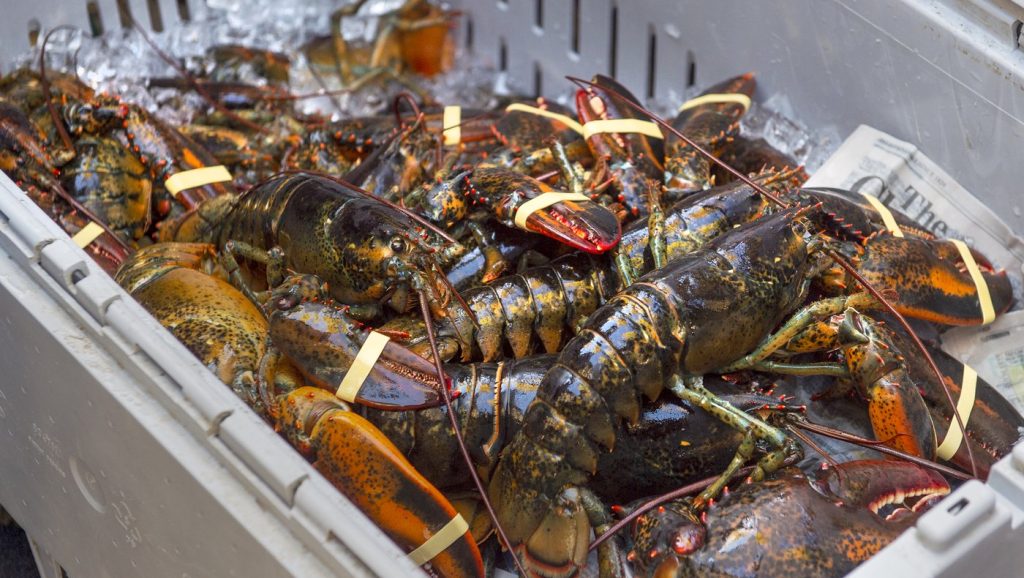
HALIFAX – The lobster industry in Nova Scotia is currently facing challenges due to the Chinese tariffs implemented this year. However, industry officials indicate that exporters are beginning to explore and penetrate other international markets to mitigate the negative impact.
According to the Lobster Council of Canada, recent statistics reveal that exports outside of the United States and China—both of which are the two largest markets for Canadian lobster—jumped approximately 43 percent in October. This surge in exports is seen as a crucial buffer against the financial strain caused by the 25 percent tariff China has levied on Canadian lobster exports.
Some exporters have reported a significant decline in sales to China, estimating that transactions have dropped by about 40 percent compared to previous years. This downturn in the Chinese market underscores the vulnerabilities faced by the lobster sector, which has traditionally relied heavily on this major export destination.
In light of these issues, Canadian Prime Minister Mark Carney is slated to travel to China later this month to engage in trade discussions with the Chinese president. This visit highlights the importance of addressing trade relations, particularly regarding the tariffs impacting Canadian products, including lobster and canola. The negotiations are expected to delve into the broader implications of tariffs and trade policies that could affect both countries’ economies.
In summary, while Nova Scotia's lobster sector grapples with the repercussions of Chinese tariffs, the noticeable increase in exports to alternative international markets provides a glimmer of hope for industry stakeholders. Moving forward, addressing the trade relationship with China and seeking new opportunities in global markets will be crucial for the resilience and growth of Canada's lobster exports.








