

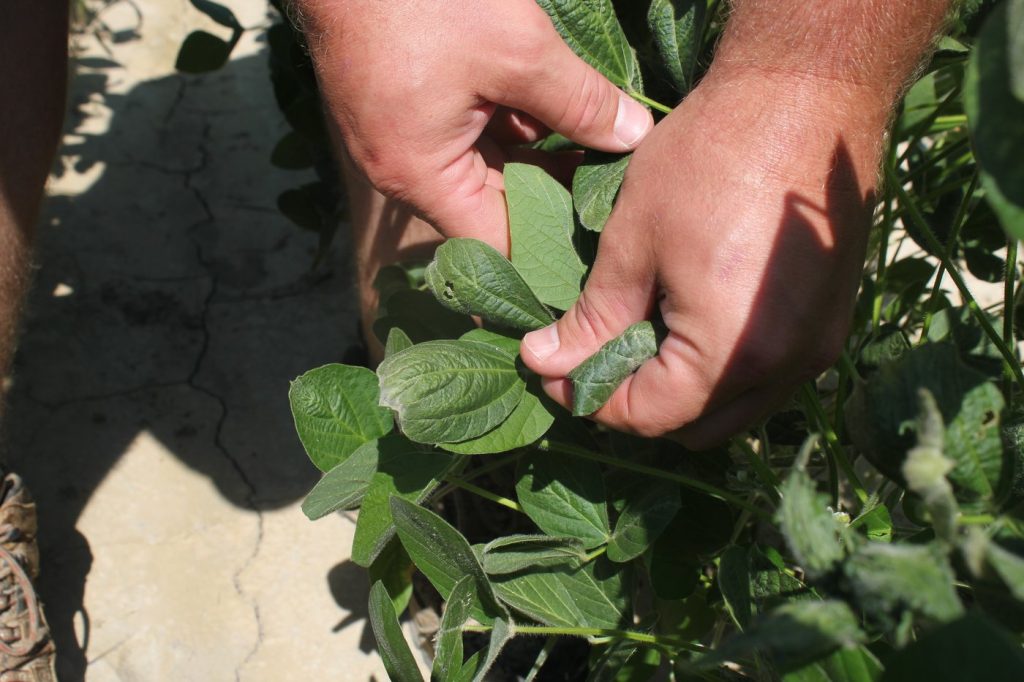
On Friday, the Environmental Protection Agency (EPA) reapproved the use of the weed killer dicamba on genetically modified soybeans and cotton. This decision comes despite widespread concerns over dicamba’s propensity to drift and damage nearby crops. The EPA stated that dicamba is essential for farmers battling fast-growing weeds that threaten their yields.
The agency has implemented stringent regulations to ensure the safe use of dicamba. These include limitations on the amount of the herbicide that can be applied per acre, restrictions on its application during hot weather, and the establishment of buffer zones to mitigate risks to adjacent crops. According to the EPA, if these rules are adhered to, the use of dicamba will not pose a threat to human health or the environment.
Dicamba, which has been utilized for decades, is particularly valuable because it can be sprayed over genetically engineered crops without harming them while effectively eliminating weeds. However, advocates have expressed serious concerns, particularly given that courts blocked similar efforts to expand dicamba's use in previous years, specifically in 2020 and 2024. Critics argue that the reapproval will significantly increase the amount applied and exacerbate the risks associated with its use.
Activist Kelly Ryerson from the Make America Healthy Again movement voiced disappointment with the decision, emphasizing that her primary goal had been to permanently discontinue over-the-top applications of dicamba due to their associated harms. She criticized the new restrictions as inadequate, suggesting that they would continue to trap farmers in a cycle of chemical dependency.
The EPA countered these criticisms by asserting that farmers desire access to dicamba and require support in controlling weeds. They emphasized that the situation should not be viewed as an opposition between the Make America Healthy Again movement and the EPA.
Despite the EPA’s reassurances, environmental groups have pointed out that dicamba drift has previously caused significant damage to large swathes of farmland, impacting not only soybean and cotton growers but also devastating vegetable farms, orchards, and other vital vegetation.
Nathan Donley, the environmental health science director at the nonprofit Center for Biological Diversity, criticized the current administration, claiming it prioritizes the pesticide industry over public health and environmental wellbeing. Environmentalists maintain that the EPA's precautions are insufficient, allowing dicamba to be applied too frequently throughout the year, with buffer zones that have proven ineffective in protecting adjacent crops.
Research continues to explore dicamba's health risks. A notable 2020 study published in the International Journal of Epidemiology linked exposure to dicamba with an increased risk of various cancers, including liver cancer and a specific type of leukemia that affects blood and bone marrow.
Bayer, the manufacturer of dicamba, announced that the federal reapproval will enable it to pursue necessary state approvals. The company plans to initiate training programs for applicators in the upcoming weeks to ensure proper use of the herbicide under the new regulations.
This development underscores a continuing debate in U.S. agricultural policy regarding the balance between supporting farmers' needs and addressing environmental and health concerns linked to pesticide use.








