

NEW DELHI (AP) – India and the United States have unveiled a framework for an interim trade agreement aimed at reducing tariffs on Indian products, though opposition parties in India have criticized the deal, claiming it heavily favors the United States. This joint statement came after President Donald Trump announced his intention to lower import tariffs on Indian goods, following a period where steep taxes were imposed to pressure India to decrease its reliance on affordable Russian crude oil.
Under this new arrangement, tariffs on goods exported from India are set to decline from 25% to 18%. This development follows Indian Prime Minister Narendra Modi's agreement to halt the purchase of Russian oil, which Trump has emphasized as a crucial step. The two nations have described the agreement as "reciprocal and mutually beneficial," expressing their commitment to work towards a more comprehensive trade deal that aims to enhance market access and bolster resilient supply chains. Further negotiations are necessary to formalize the agreement, according to the framework.
Additionally, the agreement stipulates that India will eliminate or reduce tariffs on a broader array of U.S. industrial goods as well as certain food and agricultural products. Trump mentioned that India is expected to reduce its import taxes on American goods to zero and aims to purchase $500 billion worth of U.S. products over the next five years. This initiative is part of the Trump administration’s broader strategy to secure greater market access and achieve zero tariffs on nearly all American exports.
In a related move, Trump signed an executive order to cancel a 25% tariff on Indian goods that had been implemented the previous year. Prime Minister Modi expressed his gratitude to Trump, highlighting the President's commitment to strengthening bilateral ties. On social media, Modi remarked, "This framework reflects the growing depth, trust, and dynamism of our partnership," and asserted that it would further enhance investment and technological collaboration.
However, India’s opposition political factions have raised concerns about the implications of the deal, arguing that it disproportionately benefits the U.S. and adversely affects sensitive sectors, particularly agriculture. Historically, New Delhi has been resistant to tariffs that impact sectors like agriculture and dairy, which provide employment for a significant portion of the Indian workforce.
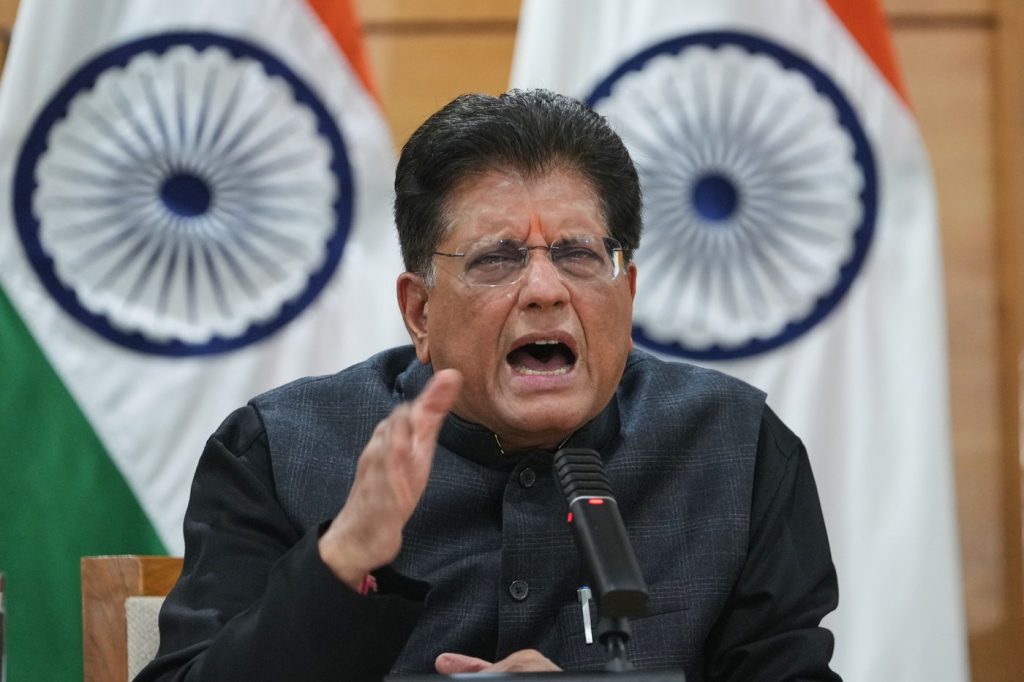
Despite the criticisms, Indian Trade Minister Piyush Goyal emphasized that the agreement protects “sensitive agricultural and dairy products” such as maize, wheat, rice, ethanol, tobacco, and certain vegetables. He asserted that the deal would ultimately open up a $30 trillion market for Indian exporters, referencing the United States' annual GDP. Goyal projected that the anticipated increase in exports could create hundreds of thousands of jobs.
Furthermore, Goyal articulated that tariffs would be reduced to zero on a variety of Indian goods destined for the U.S., including generic pharmaceuticals, gems and diamonds, and aircraft parts, which would enhance the competitiveness of Indian exports.
In a broader context, India has recently finalized a free trade agreement with the European Union, potentially impacting around 2 billion individuals after almost two decades of negotiations. This agreement is designed to facilitate free trade on nearly all goods between the EU’s 27 member states and India, encompassing a wide range of products from textiles to pharmaceuticals, while also working towards reducing high import tariffs on European wine and automobiles.
On the international front, India has also established a comprehensive economic partnership agreement with Oman and completed trade deal negotiations with New Zealand. These efforts are indicative of India’s strategy to diversify and strengthen its trade relationships on a global scale.








