

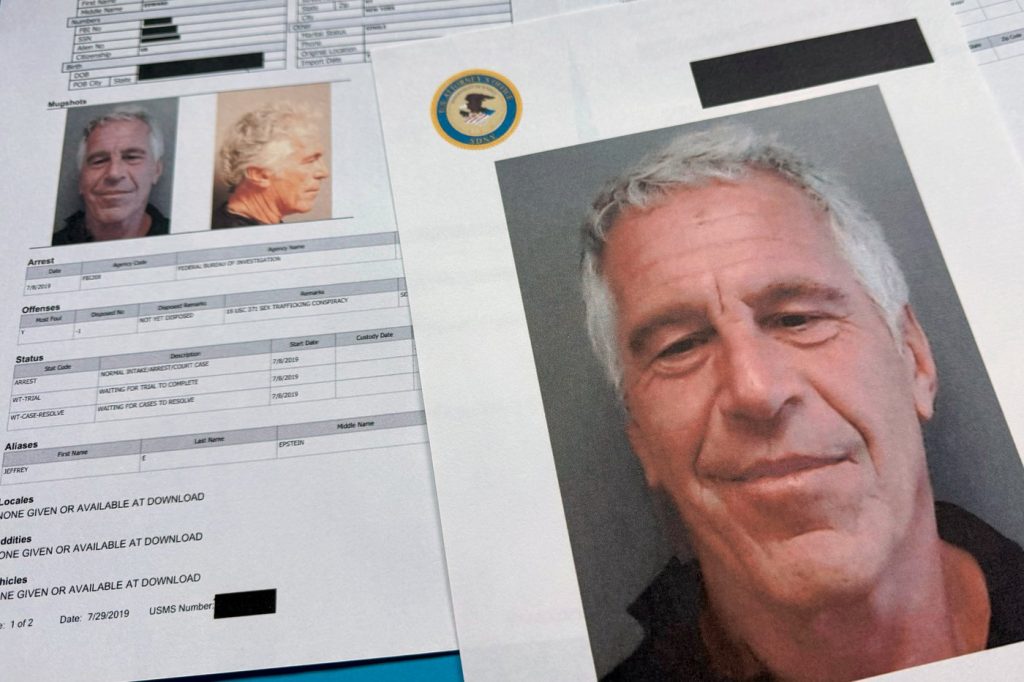
In a comprehensive investigation into Jeffrey Epstein's alleged crimes, the FBI meticulously examined bank records, emails, and conducted extensive searches of his residences in New York, Florida, and the Virgin Islands. This multi-year effort aimed to uncover evidence of a sex trafficking ring associated with Epstein that purportedly serviced powerful men. However, as a review of internal Justice Department records reveals, while investigators found considerable proof that Epstein sexually abused underage girls, they encountered a significant lack of evidence linking him to organized sex trafficking.
Internal documents indicate that videos and photos retrieved from Epstein's properties did not depict any victims being abused or implicate any accomplices in his crimes, as noted in a prosecutor's memo from 2025. Financial records examined by investigators, which included various payments Epstein made to entities connected to high-profile individuals in academia, finance, and global diplomacy, failed to reveal any ties to criminal activities, according to a 2019 memo. Although one victim claimed that Epstein “lent her” to his wealthy friends, investigators were unable to verify these assertions, with no additional victims corroborating similar experiences.
As of July 2022, agents reported that "four or five" accusers had indicated that other individuals had sexually assaulted them; however, the evidence was deemed insufficient for federal charges, leading the cases to be referred to local law enforcement agencies. The Associated Press continues to sift through millions of pages of documents released under the Epstein Files Transparency Act, which may uncover previously overlooked evidence.
The investigation into Epstein commenced in 2005 when the parents of a 14-year-old girl reported she had been molested at his Palm Beach, Florida home. Throughout the inquiry, police identified at least 35 other girls with similar accounts, indicating that Epstein had paid high school-age students sums ranging from $200 to $300 to send him sexually explicit messages. Following the FBI's involvement, federal prosecutors drafted indictments against Epstein and his associates. However, then-Miami U.S. Attorney Alexander Acosta entered into a controversial plea deal, permitting Epstein to plead guilty to state charges of soliciting prostitution from a minor, resulting in an 18-month jail sentence, from which he was released by mid-2009.
In light of renewed scrutiny surrounding Epstein after a 2018 Miami Herald exposé on the plea deal, New York federal prosecutors arrested him in July 2019. The following month, Epstein died by suicide in his jail cell. Subsequent to his death, Ghislaine Maxwell, Epstein's long-time associate, was arrested and later convicted in 2021 for her role in recruiting victims and facilitating sexual abuse. She is currently serving a 20-year prison sentence.
Prosecutors faced challenges as they sought to substantiate the most sensational claims made against Epstein and his associates. Notably, allegations from Virginia Roberts Giuffre, who accused Epstein of arranging sexual encounters with prominent men, were found to contain inconsistencies. While her abuse by Epstein was corroborated, claims involving other prominent individuals could not be verified. Key elements of Giuffre's narrative included acknowledgments of fabrications in her memoir and shifting details in her accounts to investigators, raising doubts about the accuracy of her claims.
Investigators seized a vast array of multimedia evidence from Epstein’s electronic devices, which included nude images of females, some potentially minors. However, no footage or images were discovered that showed any sexual abuse occurring or implicated other individuals. The evidence lent no support to the notion of Epstein engaging in the trafficking of women to other men. Prosecutors also ruled out charges against associates who may have aided Epstein, concluding that some had suffered from his manipulation themselves.
The investigation extended to Epstein's associates and connections, including French modeling agent Jean-Luc Brunel and various high-profile clients. Inquiries into these relationships often revealed insufficient evidence to pursue charges. Notably, Les Wexner, a retail mogul once close to Epstein, was cleared of any involvement after cooperative investigations revealed he had severed ties with Epstein in 2007 upon discovery of financial misconduct. Claims of a so-called “client list” have also been debunked by FBI investigations, which concluded that no such documentation existed.
This extensive exploration of Epstein's network facilitates a clearer understanding of the complexities involved in the investigation and why it ultimately concluded without further charges against additional parties. The documents released provide insights into the myriad claims made against Epstein while highlighting the federal government's efforts to pursue justice for the victims involved.








