

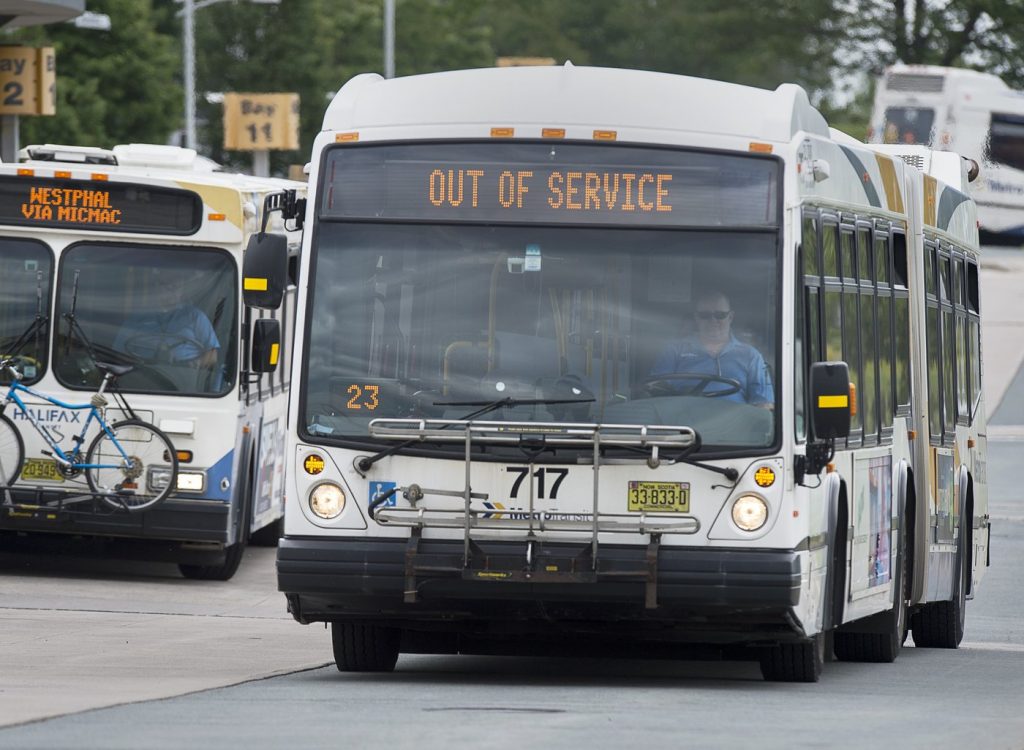
HALIFAX Halifax Transit is embarking on a significant $70-million service revamp, marking the first major overhaul of the system in a decade. Challenges such as late buses, overcrowded routes, and the need for new vehicles have prompted the city to propose this extensive service improvement. A report to be presented to the city’s transportation standing committee on Monday outlines a new “core service plan” that will require approval from the regional council before it can be implemented.
The proposed changes affect 37 percent of transit routes and are expected to alleviate traffic congestion that Halifax has been facing. A recent ranking by TomTom identified Halifax as the third-most congested city in Canada, trailing only Vancouver and Toronto, while surpassing Montreal. As such, the city aims to enhance public transportation as part of a broader strategy to tackle worsening traffic issues.
What is the "core service plan?"
The core service plan is designed to increase the frequency of trips and extend service hours for the busiest bus routes during peak commuting times. It introduces a new bus line targeting the rapidly growing West Bedford neighborhood and expands airport bus services from 22 hours to 24 hours of operation. Halifax Transit views this plan as a temporary solution leading up to a more comprehensive restructuring of the transit system scheduled for 2028.
Why is it needed?
The need for the overhaul is underscored by the significant population growth Halifax has experienced post-pandemic. The last significant shakeup in transit was in 2016, which increased ridership until the pandemic caused a substantial decline in 2020. As ridership levels have recovered to pre-pandemic figures in the 2023-24 fiscal year, the city recognizes that the transportation needs have evolved. It was anticipated that the population would remain stable, but, according to Statistics Canada, Halifax's population could reach nearly 545,000 by 2025, an increase of approximately 15 percent since 2020.
Riders have expressed dissatisfaction with the current state of service, citing problems such as overcrowded buses, scheduling challenges, and missed trips. The reliability rating of Halifax Transit has dropped considerably from an on-time rate of 88 percent in 2020 to just 69 percent in 2025, which is significantly below the service target of 85 percent.
How much will it cost?
To implement the proposed changes, Halifax will require 30 new buses. These will include a mix of 18-meter diesel articulated buses and 12-meter electric buses, with a projected capital cost of $53 million over the next three years. Additional operating costs are estimated at $22.1 million. Funding the service revamp will result in an increase of approximately $63.73 in property taxes for an average household during the same timeframe.
How many people take transit?
Currently, there is an average of 104,000 weekday boardings across the Halifax transit system, reflecting a 7,000-trip increase since 2018. Notably, instances of overloaded buses have tripled over this period. The report points out that Halifax Transit’s harbour ferries avoid traffic jams, with ridership increasing significantly. Weekend ridership has soared by 37 percent since 2018, and ferry passenger numbers now compete with weekday levels, with estimates of around 58,000 to 65,000 passengers depending on the day.
What’s the long-term plan?
Halifax Transit is shifting from multi-year transit plans to a more flexible "strategic road map". This approach aims to better align with the changing transit needs as new neighborhoods develop and major infrastructure projects are introduced. The road map sets the stage for a comprehensive reworking of the transit service plan by 2028, including the integration of traditional bus services with four proposed bus rapid transit lines. These lines will provide continuous all-day service, reduced stops, increased frequency, transit priority signals, and dedicated bus lanes. Additionally, there are plans to incorporate the future Mill Cove ferry service, which will connect downtown Halifax to Bedford, into the larger transit framework.








