

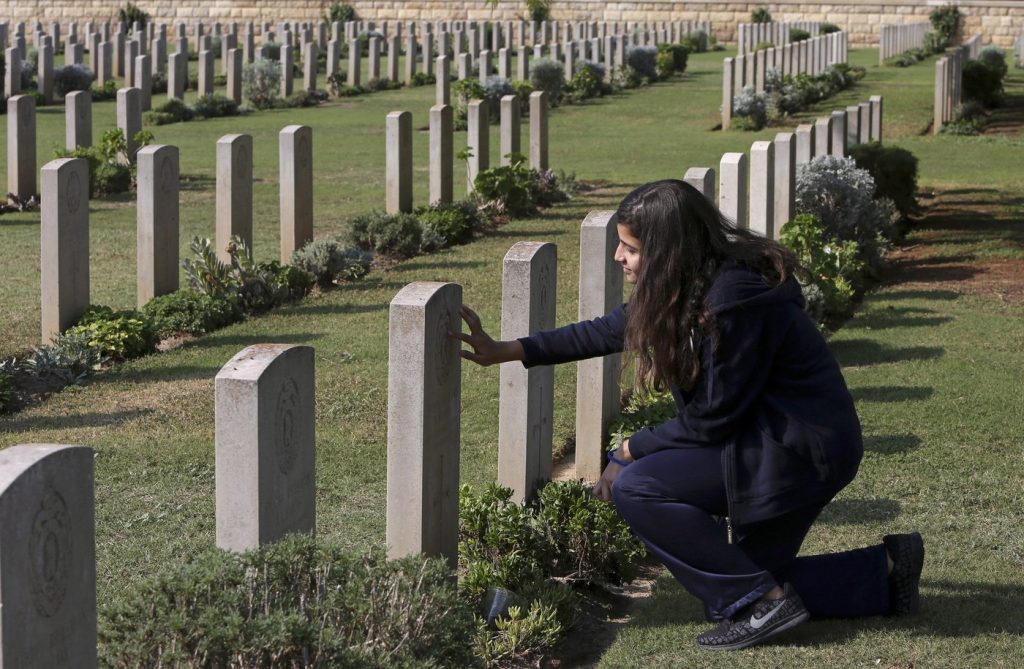
OTTAWA – Global Affairs Canada has expressed its "deep concern" regarding reports that the Gaza War Cemetery, which serves as the final resting place for nearly two dozen Canadians, has been severely damaged or destroyed. The Government of Canada is focusing its efforts on coordinating with the Commonwealth War Graves Commission, the organization responsible for managing the grave site.
The Royal Canadian Legion also conveyed its devastation in response to the reports about the extensive damage inflicted on the cemetery. This site is significant as it honors the Canadian Armed Forces members and their Commonwealth counterparts who sacrificed their lives while serving their nations. The reported destruction has raised serious alarm among veterans and concerned citizens alike.
According to a report from the British newspaper The Guardian, Israeli forces allegedly "bulldozed" portions of the cemetery located in al-Tuffah last year. The newspaper cited satellite images indicating that there is "no visible trace left" of a designated plot for Canadian UN peacekeepers. Essam Jaradah, the former caretaker of the cemetery, claimed to have witnessed the bulldozing firsthand, which has further substantiated the concerns regarding the cemetery's state.
The Israel Defense Forces (IDF) responded to the newspaper's inquiry, stating that they undertook "operational measures" designed to "neutralize identified threats" in the combat zone. They elaborated that underground infrastructure located "within the cemetery" and nearby structures was being utilized as cover for hostile activities. This justification for the bulldozing has sparked outrage, particularly given the historical and emotional significance of the cemetery to the families of those buried there.
The Canadian public and advocacy groups are now calling for transparency and accountability regarding the situation at the Gaza War Cemetery. The emotional and cultural importance tied to the site necessitates careful consideration in any military operations that occur in its vicinity. Furthermore, the evident destruction strikes at the heart of remembrance practices for those who served and sacrificed for peace.
This situation highlights the ongoing complexities of warfare, cultural heritage preservation, and the wider implications for international relations. As of now, the incident raises questions about the intersection of military strategy and respect for memorial sites that hold deep significance, particularly in the context of historical sacrifices made by armed forces.
Overall, Global Affairs Canada's commitment to maintaining communication with the Commonwealth War Graves Commission signals the importance of protecting not only the memories of those buried at the cemetery but also the historical narratives that surround them. The fate of the Gaza War Cemetery will likely continue to remain a point of concern for many as consultations and discussions unfold in the days to come.








