

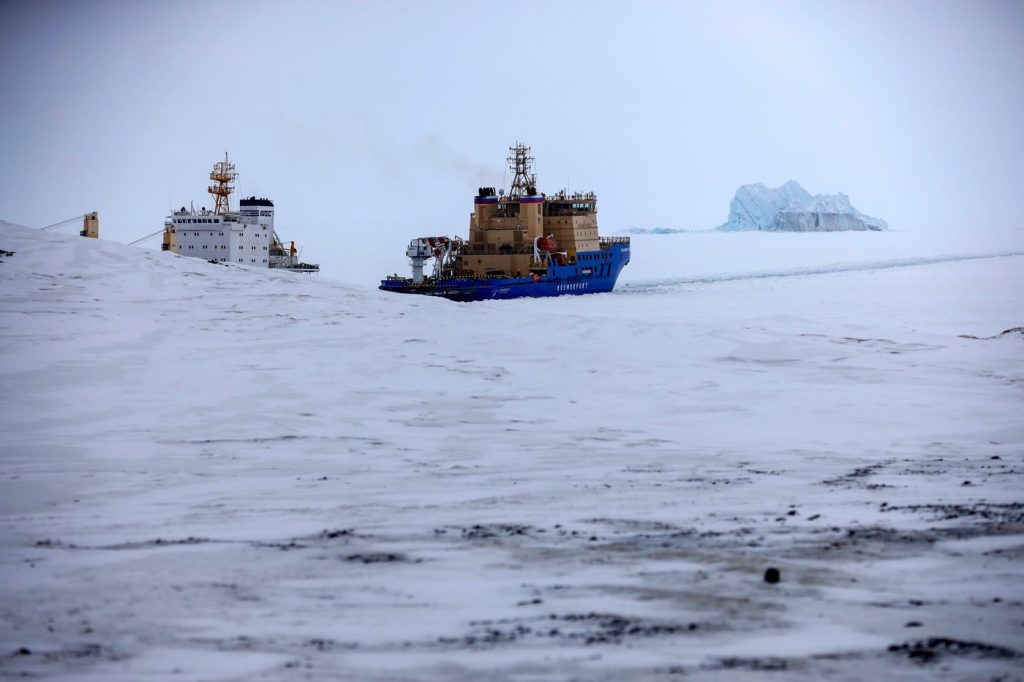
REYKJAVIK, Iceland (AP) — Rising global temperatures are accelerating the melting of sea ice in the Arctic Ocean, leading to a surge in maritime traffic through previously frozen routes. This increase in shipping activity, which gained prominence as President Donald Trump advocated for U.S. acquisition of Greenland, has incurred significant environmental costs, primarily through the emissions of black carbon, or soot, which further exacerbates the melting of Arctic ice.
Black carbon pollution has become a focal point as several countries advocate for the implementation of cleaner fuels for ships in Arctic waters. It has been reported that soot-covered glaciers and ice absorb more solar heat, significantly contributing to warming in the region—the fastest warming place on Earth. Such changes in the Arctic can also impact global weather patterns.
Sian Prior, the lead adviser for the Clean Arctic Alliance, emphasizes the urgent need to regulate emissions, particularly black carbon, which remains unregulated in the Arctic. In December, a coalition of countries including France, Germany, the Solomon Islands, and Denmark proposed to the International Maritime Organization (IMO) to mandate the use of "polar fuels" for ships operating in Arctic waters, aiming to reduce carbon pollution and enhance compliance with geographical shipping areas.
Although a ban on heavy fuel oil in 2024 has been initiated, its impact has been limited due to existing loopholes. Amidst heightened concerns regarding shipping pollution, geopolitical factors have overshadowed environmental issues. Trump’s commentary about acquiring Greenland has led to discussions about sovereignty and international relations, diminishing the emphasis on pollution control in the Arctic.
The former U.S. president has consistently dismissed climate change as a significant issue, resulting in setbacks for initiatives aimed at reducing shipping emissions. In a notable instance, Trump successfully lobbied against proposed carbon regulations by the IMO, which were expected to incentivize cleaner fuel usage and fleet electrification.
Even among Arctic nations, which are directly affected by black carbon emissions, there exists a complex dynamic regarding the regulation of shipping pollution. For example, although Iceland is recognized for its advancements in green technologies, it has faced challenges in enforcing maritime pollution regulations, largely due to the influential fishing industry, which remains resistant to stricter environmental measures.
Arni Finnsson, board chair of the Iceland Nature Conservation Association, highlights the tensions between profit-driven sectors and environmental advocacy, putting pressure on the government to align with industrial interests. While Iceland’s Ministry of Environment, Energy, and Climate recognizes the importance of the polar fuels proposal, they advocate for further study before solidifying a stance.
Current data indicates that Arctic shipping traffic has surged, with a 37% increase in vessels operating north of the 60th parallel between 2013 and 2023. This escalation is accompanied by an alarming rise in black carbon emissions, with figures rising from 2,696 metric tons in 2019 to 3,310 metric tons in 2024. Notably, fishing boats have emerged as the primary source of this pollution.
Environmental organizations argue that regulating ship fuel is essential for effectively tackling black carbon emissions, as limiting shipping traffic is impractical given the economic motivations for resource extraction and the shorter transportation routes provided by Arctic voyages. The Northern Sea Route, while a potential shortcut, remains navigable only during specific times of the year, posing risks that have led some companies, like Mediterranean Shipping Company, to publicly denounce its use.
As international concerns about Arctic pollution and climate change continue to grow, balancing economic interests with environmental preservation remains a pressing challenge for nations and industries involved in Arctic shipping activities.








