

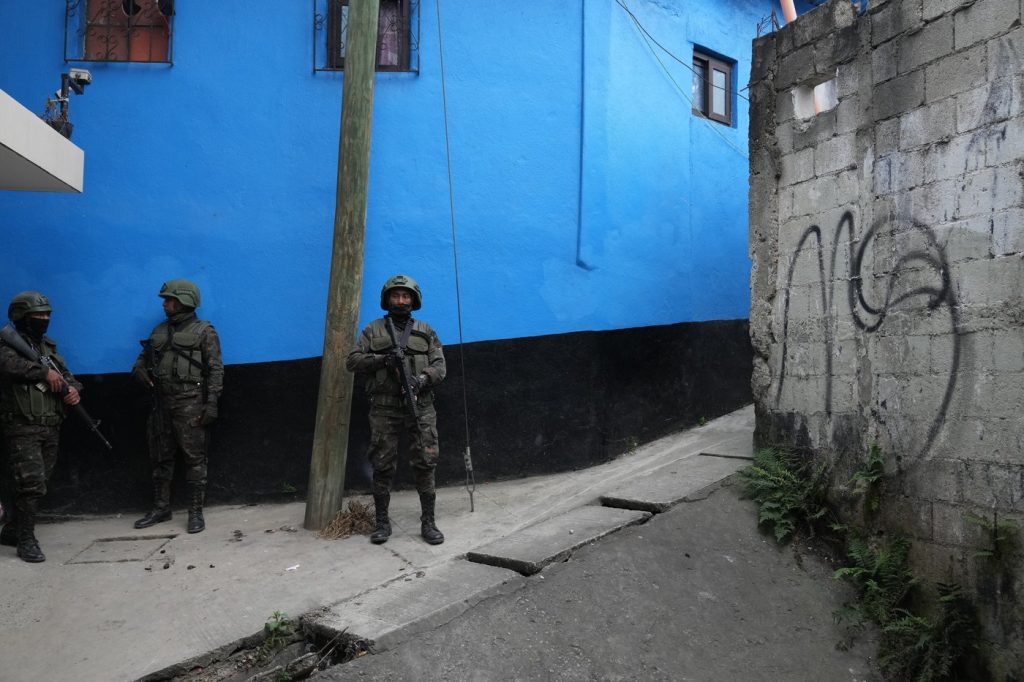
Guatemala City has officially lifted its state of emergency as of Monday, one month after President Bernardo Arévalo had enacted special powers in response to a significant spike in gang-related violence, notably the killing of 10 police officers by suspected gang members.
The state of emergency allowed the authorities to circumvent certain constitutional rights, enabling actions such as making arrests without judicial warrants. However, with the lifting of this measure, such actions will no longer be permissible, although President Arévalo has yet to specify the details of the new, less restrictive measures that are set to take effect on Tuesday. Importantly, these new measures will not require approval from Congress or any form of renewal.
During the state of emergency, President Arévalo reported that law enforcement had arrested 83 gang members. He also noted a decrease in homicides and cases of extortion during this period, compared to the same timeframe in the previous year, although specific data was not provided to support these claims.
This swift action taken by the Guatemalan government stands in stark contrast to the extraordinary powers granted to El Salvador's President Nayib Bukele, which have been extended by the country's Congress for almost four years to combat similar gang violence. Bukele's approach has drawn considerable attention and raised questions regarding human rights implications, as these powers have been renewed on a monthly basis.
Notably, the tensions related to gang violence in Guatemala escalated in January when gangs retaliated against police forces following the suppression of riots in three different prisons, indicating the ongoing challenges that the Guatemalan government faces in maintaining public safety.
As Guatemala transitions from the state of emergency, the effectiveness of the upcoming measures in addressing gang violence remains to be seen, as the government looks to restore peace and security in the nation.








