

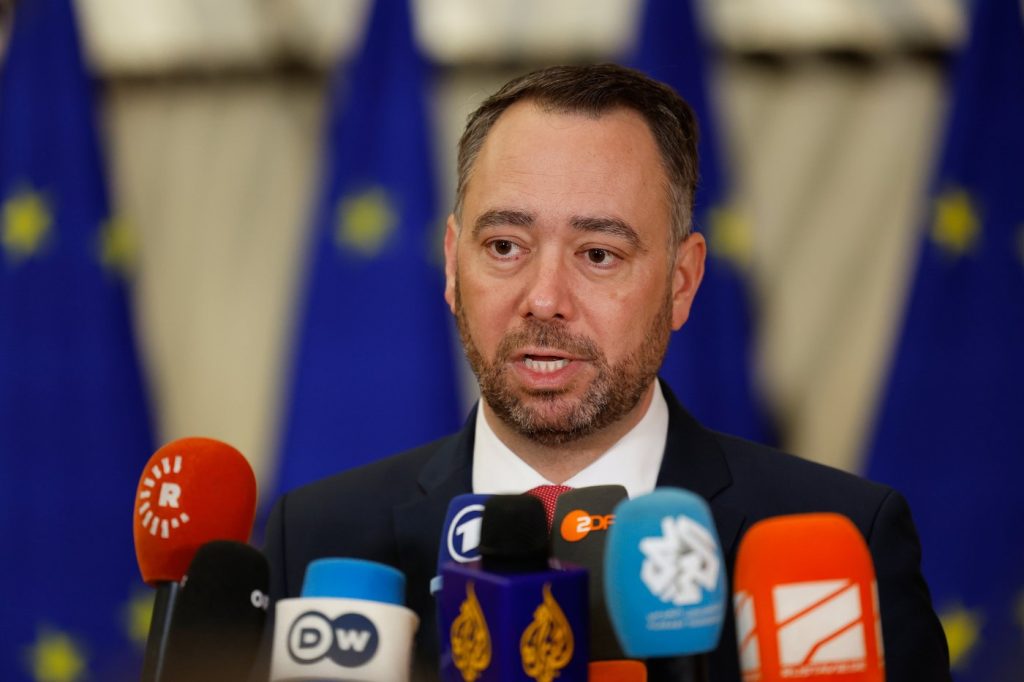
BRUSSELS (AP) — In a significant diplomatic move, Belgium summoned the U.S. ambassador on Tuesday in response to remarks made on social media. U.S. Ambassador Bill White accused Belgium of antisemitic practices concerning the prosecution of Jewish citizens, prompting the intervention from Belgium's foreign minister, Maxime Prévot.
Prévot expressed strong disapproval of the ambassador's comments, calling the characterization of Belgium as antisemitic "not just wrong, but dangerous disinformation that undermines the real fight against hatred." This summons is quite rare between close allies like Belgium and the United States, highlighting the seriousness of the situation.
The foreign minister emphasized that the U.S. ambassador has an obligation to respect Belgium's institutions, elected representatives, and the independence of its judicial system. He stated that "personal attacks against a Belgian minister" and interference in judicial matters breach fundamental diplomatic norms.
The controversy arose alongside an investigation by Belgian authorities into three men in Antwerp who are alleged to be performing circumcisions without the necessary medical qualifications. This scenario has fueled tensions surrounding the Jewish community, particularly regarding religious practices.
Ambassador White's post on X branded the investigation as "unacceptable harassment" of the Jewish community in Antwerp and throughout Belgium. He indicated his intention to visit the three men facing allegations in Antwerp and has invited Belgium’s Minister of Health to accompany him in this visit.
In his remarks, White underscored the importance of allowing Jewish religious officiants, known as MOHELS, to perform their duties legally in Belgium. He pointed out that ritual circumcision is a crucial practice within the Jewish faith, essential for significant life events such as bar mitzvahs, weddings, and burial rites in Jewish cemeteries.
In response, Foreign Minister Prévot clarified that Belgian law permits ritual circumcision when performed by a qualified physician under strict health and safety standards. He refrained from commenting further on the ongoing investigation, indicating the sensitive nature of the issue at hand.
This incident reflects broader concerns regarding religious freedoms and the treatment of minority communities in Europe, raising questions about the balance between public health regulations and the observance of religious practices. As both countries navigate this diplomatic challenge, the implications for Jewish communities in Belgium could be significant, influencing how such religious traditions are recognized and accommodated within the framework of the law.








