

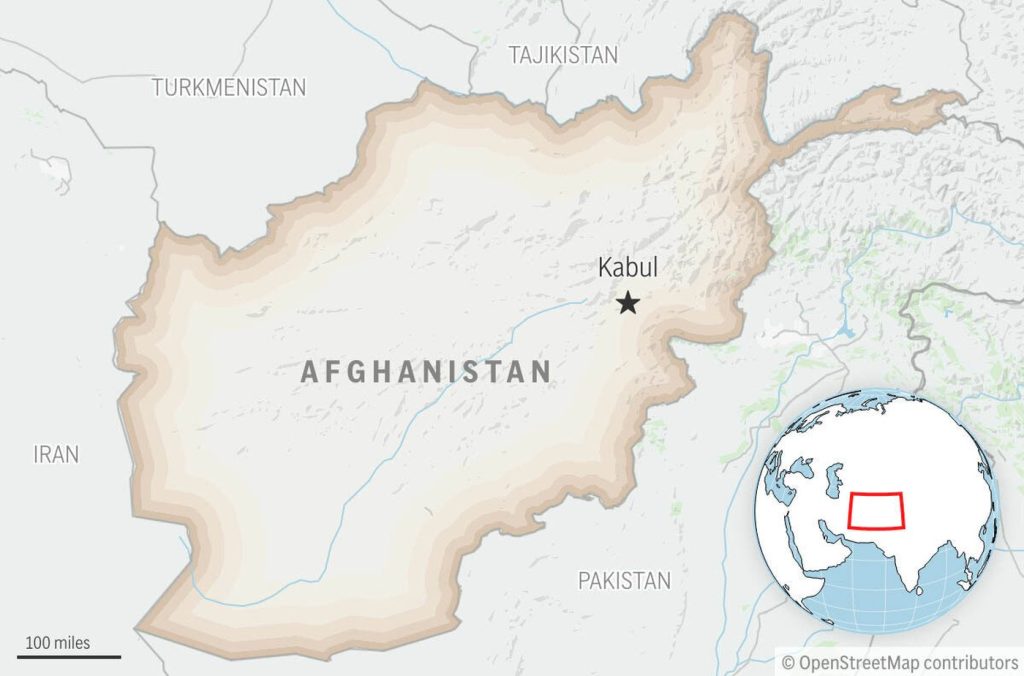
ISLAMABAD (AP) – The relationship between Pakistan and Afghanistan has reached a dangerous turning point, as Pakistan's defense minister, Khawaja Mohammad Asif, has stated that the country has run out of “patience.” Following a cross-border attack from Afghanistan, both nations engaged in reciprocal strikes, prompting Asif to declare that there is now an “open war” between the two countries.
Asif took to social media platform X to voice his concerns, indicating that Pakistan had previously harbored hopes for stability in Afghanistan following the withdrawal of NATO forces. The expectation was that the Taliban would prioritize the welfare of the Afghan populace and contribute to regional stability. However, Asif accused the Taliban of misusing their power by allegedly transforming Afghanistan into a “colony of India,” amassing militants from various corners of the globe, and starting to “export terrorism.”
The recent military confrontations symbolize a significant escalation in the ongoing tensions between the neighboring nations, making the Qatar-mediated ceasefire increasingly tenuous. Notably, the Pakistani defense minister did not reference the ceasefire in his statements, indicating a potential disregard for diplomatic avenues amidst rising hostilities.
This situation marks a critical juncture in the Pakistan-Afghanistan relationship, necessitating urgent attention to prevent further escalation of violence that could destabilize the region. The alarming rhetoric from both sides signifies the fragility of peace efforts and raises questions regarding the future of diplomatic negotiations between the two nations.








