

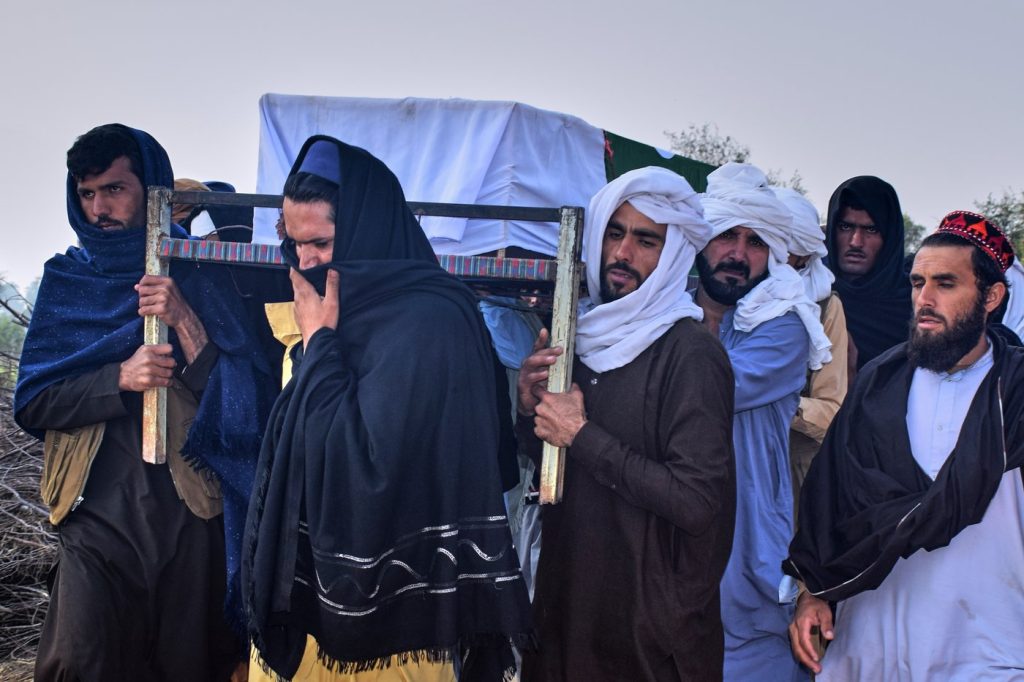
ISLAMABAD (AP) - Amid escalating tensions, Pakistan's military, supported by artillery and air strikes, has targeted Afghan military installations, resulting in significant casualties. Reports indicate that over 300 Afghan forces have been killed in border clashes that have been ongoing for several days, according to a government spokesman and officials.
The hostilities began on Thursday night when Afghan forces launched strikes against Pakistani positions in retaliation for what Islamabad claimed were Pakistani attacks on seven training camps associated with the Tehrik-e-Taliban Pakistan (TTP), a group that is allied with the Taliban in Afghanistan. Since then, both sides have exchanged artillery fire and air strikes, contributing to a growing humanitarian crisis.
As of the latest updates, Pakistani Information Minister Attaullah Tarar reported that more than 331 Taliban forces from Afghanistan had been killed and over 500 wounded due to the military strikes. Pakistan has also claimed to have destroyed 102 Afghan posts and captured 22, in addition to reducing 163 tanks and armored vehicles at various locations.
On Saturday, state-run media in Pakistan claimed that the air force had executed strikes targeting essential military installations in eastern Afghanistan. In response, Afghan officials reported that they had attacked Pakistani military bases in the regions of Miranshah and Spin Wam, inflicting heavy damage and casualties. Afghan authorities accused Pakistan of targeting civilian areas, resulting in the destruction of homes and the deaths of at least 11 individuals, amidst conflicting claims regarding civilian safety.
A prominent Afghan commissioner, Mullah Taj Mohammad Naqshbandi, stated that the forces of the Islamic Emirate had effectively destroyed significant elements of the Pakistani military infrastructure. Meanwhile, the Afghan government claimed that 55 Pakistani soldiers had been killed during their retaliatory strikes, which they said resulted in far fewer Afghan losses than those reported by Pakistan.
Afghan government spokesman Zabihullah Mujahid asserted that these military engagements were intended to send a strong message from Afghanistan, emphasizing that the country would respond firmly to any aggressive actions from Pakistan. This sentiment was echoed by Pakistan’s Defense Minister Khawaja Mohammad Asif, who declared that the patience of Pakistan was exhausted and that the situation had escalated to open warfare.
Throughout the escalating conflict, hundreds of residents living near the Torkham border crossing have been displaced, seeking refuge in safer areas. Reports indicate that Pakistan has also facilitated the return of Afghan refugees stranded at the crossing, amid ongoing clashes. Many individuals, like Ejaz Ul Haq, an Afghan refugee, expressed difficulty returning to Afghanistan due to the violence, revealing the dire circumstances faced by civilians during the fasting month of Ramadan.
The tension has been mounting since October, when a series of border skirmishes resulted in numerous fatalities. Following various ceasefire attempts mediated by countries such as Qatar, Turkey, and Saudi Arabia, the situation remained precarious. Recently, diplomats from Qatar have engaged with both Afghan and Pakistani foreign ministers in an effort to de-escalate the ongoing hostilities.
As fighting persists, calls for a ceasefire from civilians affected by the violence grow louder, emphasizing the urgent need for dialogue and resolution between the two nations. The humanitarian impact continues to rise as both militaries engage, threatening stability in the border regions of Afghanistan and Pakistan.








