

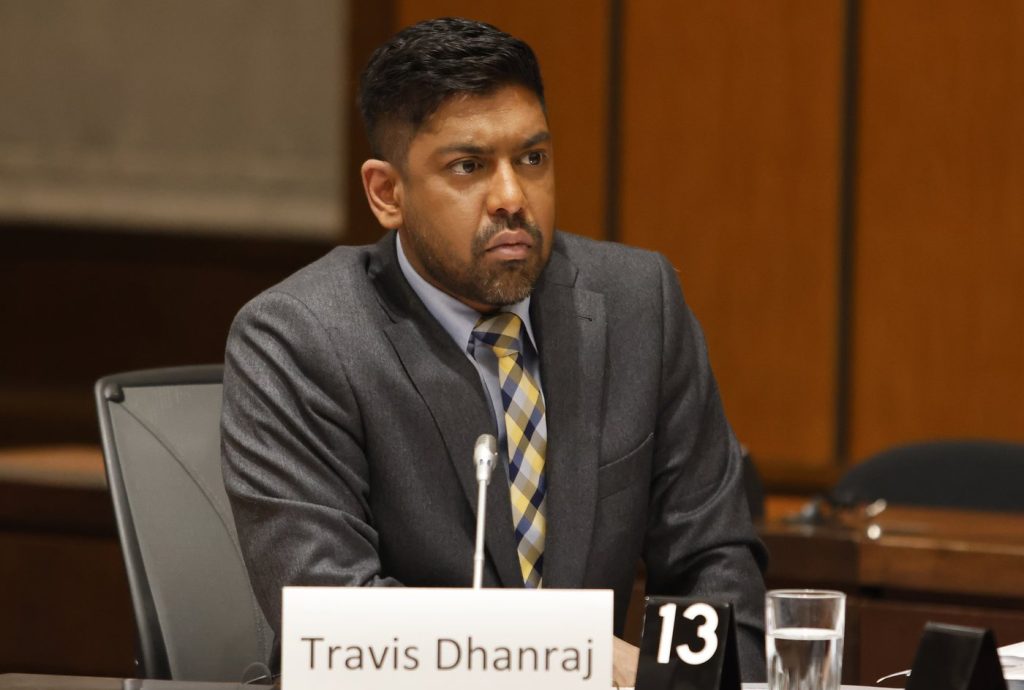
OTTAWA – Former CBC television reporter and anchor Travis Dhanraj made serious allegations against the Canadian Broadcasting Corporation (CBC) during his testimony before a House of Commons committee on March 10, 2026. Dhanraj, who hosted the program "Canada Tonight," claimed that he was "silenced and intimidated" during his tenure at the public broadcaster, asserting that the culture at CBC fostered an environment of "retaliation, exclusion, and psychological harm." These comments raised concerns about the internal dynamics of one of Canada's major media institutions.
In his email announcing his departure to CBC staff in 2025, Dhanraj highlighted a troubling atmosphere that he argued was prevalent within the organization. According to him, while the CBC publicly portrayed itself as a champion of diversity and inclusion, the reality he experienced reflected a stark difference. Dhanraj stated that the commitment to diversity was marred by instances of what he characterized as tokenism, suggesting that the representation of diverse voices was superficial rather than genuinely inclusive.
During his appearance before the House of Commons heritage committee, which is currently examining the health of journalism and media sectors in Canada, Dhanraj painted a picture of a "toxic culture" within the CBC. He alleged that intimidation tactics went unanswered, resulting in a workplace environment where fear ruled over the free expression of ideas and concerns. He described a disconnect between the CBC’s public image as a bold, diverse media entity and the internal realities faced by employees, particularly those from diverse backgrounds.
In a recent video shared on his "Can’t Be Censored" podcast YouTube channel, Dhanraj expressed his intent to provide further details regarding his experiences at the CBC. He indicated that he plans to "name names, describe decisions and paint a better picture about what happened inside the CBC" during his testimony, which is increasing anticipation among observers of the Canadian media landscape.
As the conversation surrounding workplace culture in media organizations continues to evolve, Dhanraj's claims might hold significant implications not just for the CBC but for the broader journalism industry in Canada. His testimony comes at a time when issues related to representation, mental health, and workplace accountability are under heightened scrutiny, with stakeholders advocating for meaningful changes in how media organizations operate.
The Canadian Press has reached out to the CBC for comments regarding Dhanraj's allegations, but no immediate response has been provided. The unfolding situation emphasizes the need for media organizations to foster environments where all employees feel safe, respected, and valued, irrespective of their backgrounds. This case serves as a reminder of the crucial role media plays in reflecting society while also addressing the internal challenges that could jeopardize its integrity and credibility.
This report illustrates the ongoing dialogue about workplace culture within media entities in Canada and highlights the importance of transparency and accountability in addressing allegations of misconduct or mismanagement.








