

OTTAWA — In a recent call to action during the Ottawa Civic Space Summit, former U.S. diplomat for LGBTQ+ rights, Jessica Stern, emphasized the need for Canada to enhance its support for gender and sexual minorities globally. This summit, hosted by Resilient Societies and Co-operation Canada, gathered development and human rights workers who discussed the implications of American foreign aid cuts and the Trump administration's partnerships with autocratic regimes.
Jessica Stern, who served as the U.S. special envoy for the human rights of LGBTQI individuals under President Biden, urged Canada to take a proactive stance. "There is so much to be gained from Canada stepping into this vacuum and showing what it stands for," she remarked, highlighting the critical role Canada plays in championing LGBTQI issues at a time when few countries offer similar advocacy. Stern's term ended in January 2025, concluding her work on assessing LGBTQ+ rights in 193 nations as part of the U.S. State Department's annual human rights report.
Continuing her concerns, Stern noted that when these reports were released, the Trump administration had removed all content related to gender and sexual minorities. She maintains that internal governmental records regarding LGBTQ+ issues may have been erased and expressed concern that the previous administration might disclose activists' identities to oppressive governments or even support anti-LGBTQ+ initiatives like conversion therapy.
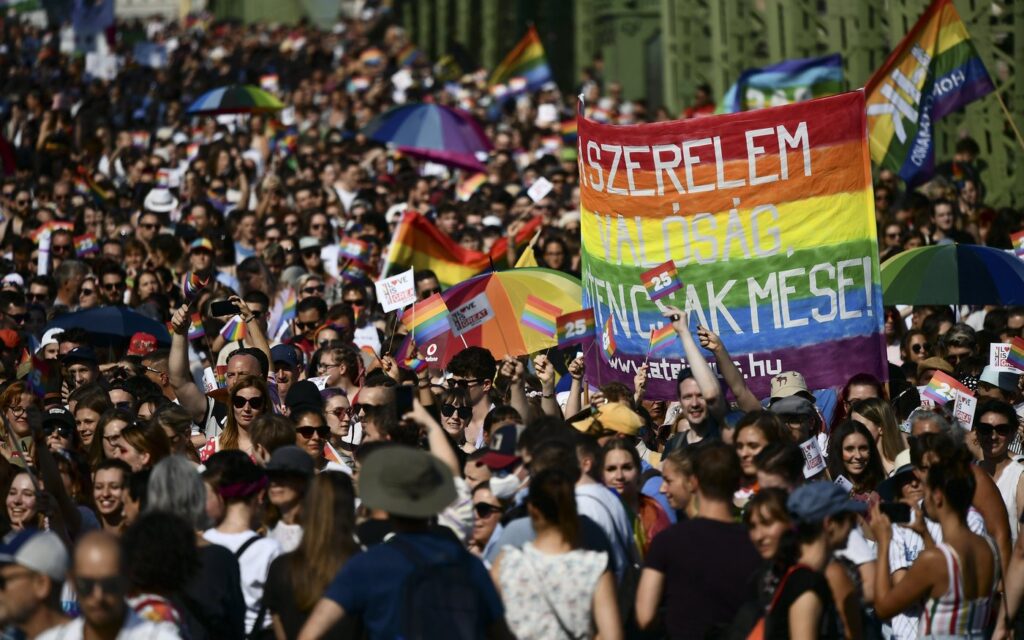
According to Stern, there has been a global uptick in threats against LGBTQI individuals coupled with a decline in political leadership to combat such issues. This development is further exacerbated by efforts from evangelical groups that have coordinated movements aimed at undermining LGBTQ+ rights worldwide. These efforts include enacting bans on certain sexual acts and limiting medical services for transgender persons. Legislative actions, such as Uganda's law that criminalizes identifying as LGBTQ+ or punishes specific acts with death, exemplify this trend. Additionally, Hungary’s former government attempted to outlaw Pride events but ultimately failed.
Steve Letsike, South Africa's junior minister for women, youth, and disabled people, spoke at the summit about the necessity for democratic nations to support initiatives in the U.S. that promote democracy and civil rights. "It’s a moment of pushback, but let’s see how we can build up on solidarity with people of America, those who still believe that democracy matters," she asserted, urging Canada to assist in upholding human rights amidst a rising anti-rights agenda globally.
Letsike noted that both democracy and human rights are under threat, underscoring the need for progressive individuals and governments to fortify efforts to prevent a regression in democratic gains. Meanwhile, the Dignity Network, a coalition of Canadian organizations advocating for LGBTQ+ rights abroad, has called on the Canadian government to double its foreign aid for LGBTQ+ initiatives to $20 million. Stern pointed out the minimal financial impact of such an increase, contrastingly positioning Canada as a leader in global advocacy for LGBTQ+ rights.
Stern believes that Canada can demonstrate global leadership by becoming a beacon of hope and publicly defending human rights through advocacy in international spaces. “The benefits will be enormous,” she claimed, highlighting potential improvements in Canada’s international reputation, the well-being of LGBTQI individuals, and the overall adherence to human rights standards. Prime Minister Mark Carney has identified human rights and civilian protection as crucial components of Canada’s foreign policy, though his government's funding for global health programs has seen cuts.
At the summit, both Stern and Letsike argued for the economic advantages of upholding LGBTQ+ rights, asserting that fostering an environment free from discrimination and violence positively impacts productivity. "Countering discrimination and violence is good business," Stern stated, emphasizing the importance of informing voters about the broader implications of foreign policy decisions on everyday life, such as the rising costs of essential goods. By educating constituents on the connections between human rights advocacy and economic stability, the role of foreign aid could be more widely understood and supported.








