

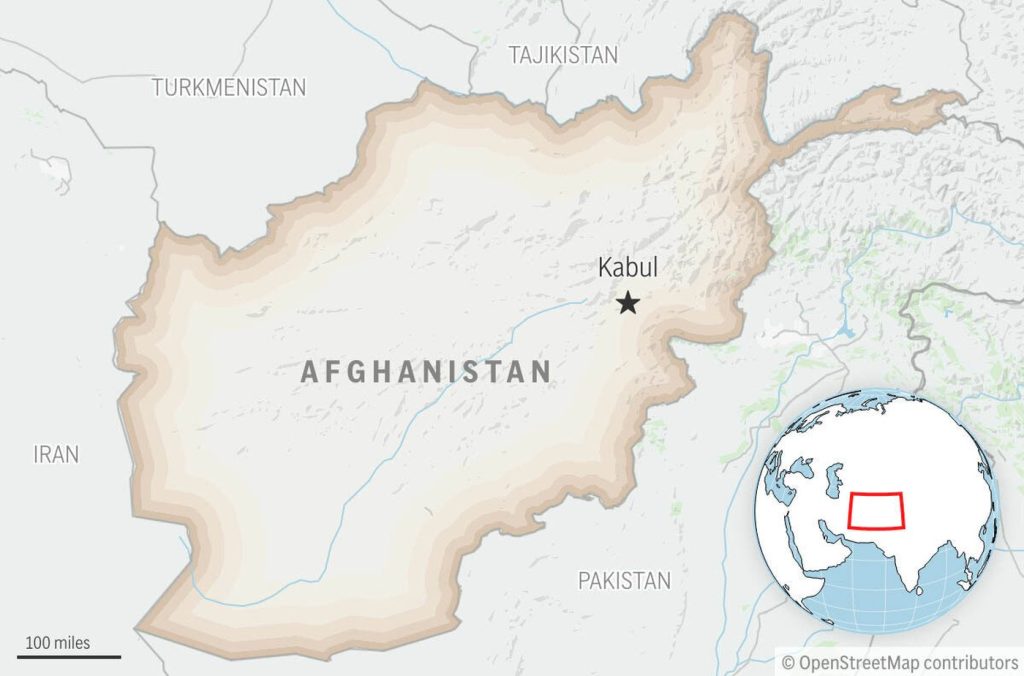
KABUL, Afghanistan (AP) - On early Friday, the Taliban government of Afghanistan accused Pakistan's military of conducting airstrikes that targeted civilian homes in the capital city of Kabul and the southern province of Kandahar. This incident marks a significant escalation in the ongoing conflict between the two neighboring countries, which has now entered its third week, amid continued international calls for restraint and dialogue.
Government spokesman Zabihullah Mujahid took to the social media platform X to relay the Taliban's accusations, stating that the airstrikes resulted in the deaths of civilians, including women and children. The strikes reportedly also targeted fuel depots owned by Kam Air, a private airline, near Kandahar airport, further intensifying the strain on civilian infrastructure amidst the hostilities.
As of now, there has been no immediate response from the military or government of Pakistan regarding these allegations. The absence of comments raises questions about the claims made by Afghanistan’s Taliban government and the broader implications for bilateral relations between the two countries.
In recent weeks, tensions between Afghanistan and Pakistan have significantly escalated, with increasing military confrontations. Reports have surfaced detailing military skirmishes along their shared border, reflecting broader geopolitical tensions in the region. The situation remains precarious, as continued violence threatens the already fragile stability in Afghanistan following the Taliban's takeover in August 2021.
International observers have expressed deep concern over the escalating violence and the humanitarian implications of the ongoing conflict. The involvement of civilian populations in airstrikes raises alarms about potential war crimes and the impact on innocent lives caught in the crossfire. The calls for restraint continue, urging both nations to come to the negotiating table to de-escalate tensions and avoid further casualties and suffering.
The development of this situation brings to light longstanding issues regarding border disputes, political narratives, and military posturing between Afghanistan and Pakistan. It highlights the urgent need for diplomatic solutions to prevent further deterioration of relations and to protect vulnerable populations in both countries.
As the world watches closely, the implications of these military actions could have far-reaching consequences not just for Afghanistan and Pakistan, but also for regional security as a whole. Additional violent confrontations could jeopardize humanitarian efforts and recovery in an area that has faced decades of conflict.
In conclusion, the allegations of Pakistan’s airstrikes in Afghan territory signals a critical moment in the ongoing dynamics between the two nations, necessitating immediate international intervention and dialogue to mitigate further violence and foster a path toward peace.








