

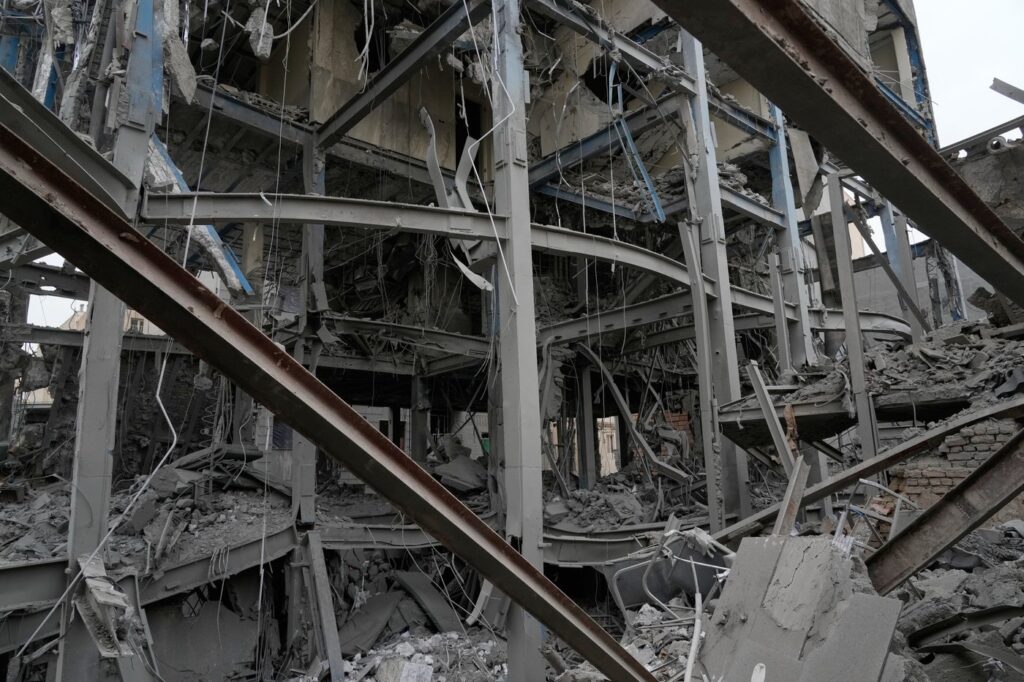
Israeli airstrikes have intensified in Iran, specifically targeting the Basij paramilitary force, as part of a strategic campaign against the Islamic Republic's control mechanisms. This campaign has been ongoing for nearly three weeks, with reports indicating that up to a third of the strikes have focused on high-ranking officials and major bases of the Revolutionary Guard and its Basij volunteers, who are known for suppressing dissent.
Following the assassination of General Gholam Reza Soleimani, the head of the Basij, Israel escalated its operations to include attacks on lower-ranking members and their checkpoints scattered throughout Tehran. Despite these efforts, security forces, including the Basij, police, and Revolutionary Guard, continue to maintain a strong grip on the capital, with no indication that the Iranian populace is responding to calls from the U.S. and Israel to revolt. Many citizens are instead seeking refuge from ongoing airstrikes.
Residents of Tehran have reported a persistent, intimidating security presence, where security agents continue to enforce a crackdown that began after January's nationwide protests. Monitors indicate that this campaign has particularly intensified against those documenting the strikes or attempting to bypass the internet blackout imposed by the government.
Israel's military efforts are intended not only to deliver physical blows to the Basij but to also undermine their ideological strength and potentially trigger defections. The Basij units, highly ideological and operating with a great degree of autonomy, have historically been resilient to threats against their leadership. Azizi, a security expert, noted that the selection of Basij leadership is based more on ideological loyalty to the supreme leader than operational expertise.
The Basij forces have established numerous checkpoints across Tehran, which are often rudimentary, consisting merely of traffic cones and a few vehicles. These checkpoints are used to search vehicles for weapons and scrutinize personal belongings, including mobile phones. Since March 11, Israel's strikes on these checkpoints have been documented, with Israeli Prime Minister Benjamin Netanyahu asserting that they are delivering “crushing blows” to both the Revolutionary Guards and the Basij.
In response to the conflict, social media users in Iran have been actively sharing videos and information about the checkpoints, tagging the Israeli military's Farsi account and urging for targeted strikes. Such digital activism reflects a profound internal resistance despite the governmental crackdown, which includes mass arrests of individuals accused of supporting foreign enemies or facilitating protest activities.
The Basij, which translates to “mobilization,” comprises tens of thousands of volunteers under the Revolutionary Guard. These volunteers engage mainly in ideological enforcement, reminiscent of the structure of the Communist Party in the Soviet Union, with branches in various social and educational institutions. They help solidify loyalty to the Islamic Republic by organizing religious events and mobilizing for state-approved gatherings, but they also play a crucial role during civil unrest, providing manpower for state security needs.
The crackdown on dissent has not ceased; recently, Iranian authorities executed three individuals linked to the January protests, marking a significant escalation in punitive measures. Reports from semiofficial channels indicate over 100 arrests, with many accused of collaborating with foreign interests or illegal internet access attempts. The Iranian government continues to stifle communications, closing down parts of the internal internet and targeting those who document or share information about security operations. Incidents of violence against citizens at checkpoints have also been reported, further demonstrating the tense and precarious state of affairs in the capital.








