

OTTAWA - Jennifer MacDougall, a federal public servant, has expressed her fear regarding the government's early retirement offer, after being informed that she owes approximately $10,500 due to a mistake within her pay file. This troubling revelation came in a letter from the pay center, which was received in February 2026; however, the issues date back to a period between 2014 and 2018.
During those years, MacDougall was in a reclassified role that resulted in her not receiving the appropriate salary. In 2019, she finally secured retroactive pay but has since been notified that the Phoenix pay system incorrectly recorded the relevant information, leading to her current debt to the government.
Describing the situation as "crazy," MacDougall is actively fighting this decision. She noted that her case is still under processing and highlighted the concern over the Crown Liability and Proceedings Act, which allows the federal government a six-year timeframe to recover debts. This uncertainty is causing significant stress not only for her but also for her husband, thereby impacting her confidence in considering early retirement.
In light of these complications, the latest federal budget introduced an early retirement incentive aimed at reducing the size of the public service. Although the program has not yet become available, it is intended to let federal employees retire earlier without incurring penalties on their pensions.
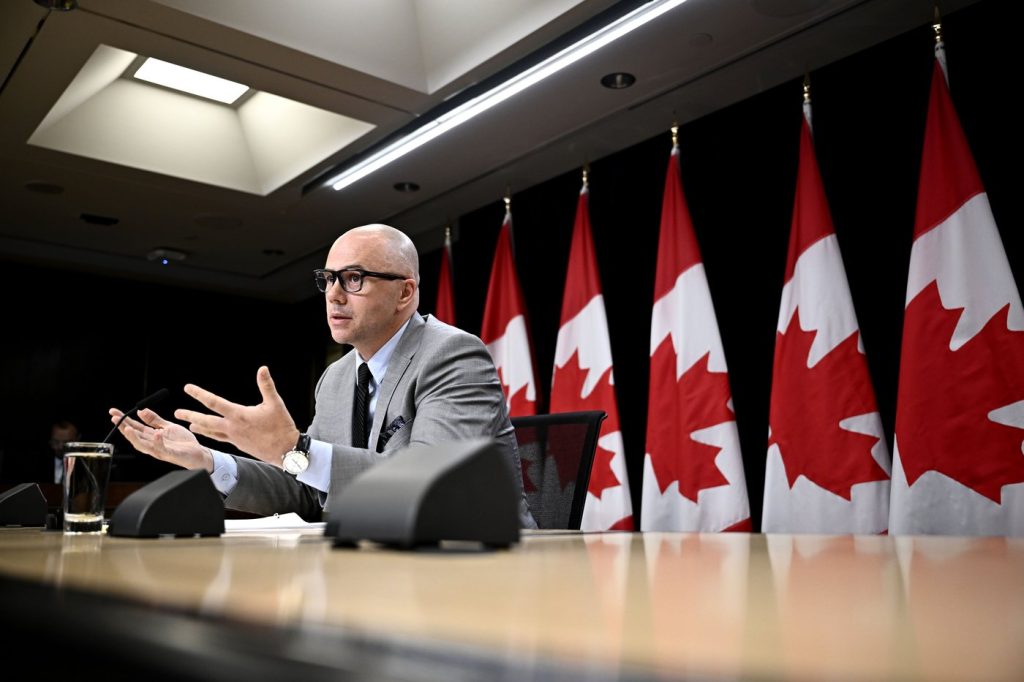
At a press conference earlier this month, Alex Benay, the associate deputy minister of Public Services and Procurement Canada, acknowledged the valid concerns of public servants contemplating participation in the early retirement program, particularly regarding potential complications arising from the Phoenix system. "I’d say they’re right to be concerned," Benay stated, reflecting on the troubled history of the system.
Despite the existing fears, Benay assured that the government has developed a strategy to manage a possible surge in cases associated with severance payments. He indicated the availability of a specialized service within the pay center designed specifically to address these issues, although it has not yet been implemented. "The service is ready; people are trained," he added.
Benay shared his own experiences with layoffs, noting that financial uncertainties in such situations add to the emotional burden. The department is also exploring automated solutions to enhance efficiency in handling pay system transactions.
Since its launch in 2016, the Phoenix pay system has faced numerous difficulties, resulting in an estimated cost of $5 billion to taxpayers. The system has caused widespread errors in pay distribution, with some public servants being overpaid while others faced significant delays in payments.
In response to these persistent issues, the government announced a contract in 2025 to transition to a new pay system named Dayforce, with the implementation scheduled to commence in 2027. Furthermore, plans to leverage artificial intelligence have been introduced to clear the existing backlog of transactions associated with the Phoenix system.
However, as of February 25, 2026, the Government of Canada’s website reported a backlog of 216,000 transactions, with nearly half of these cases over a year old. For MacDougall, this precarious situation raises ongoing concerns. She fears that opting for retirement may lead to future demands for repayment from the government.
“For the next six years after my last pay, I’ll always be worried that they’re going to come looking for something,” MacDougall expressed, highlighting her mistrust in the information provided by the government.








