

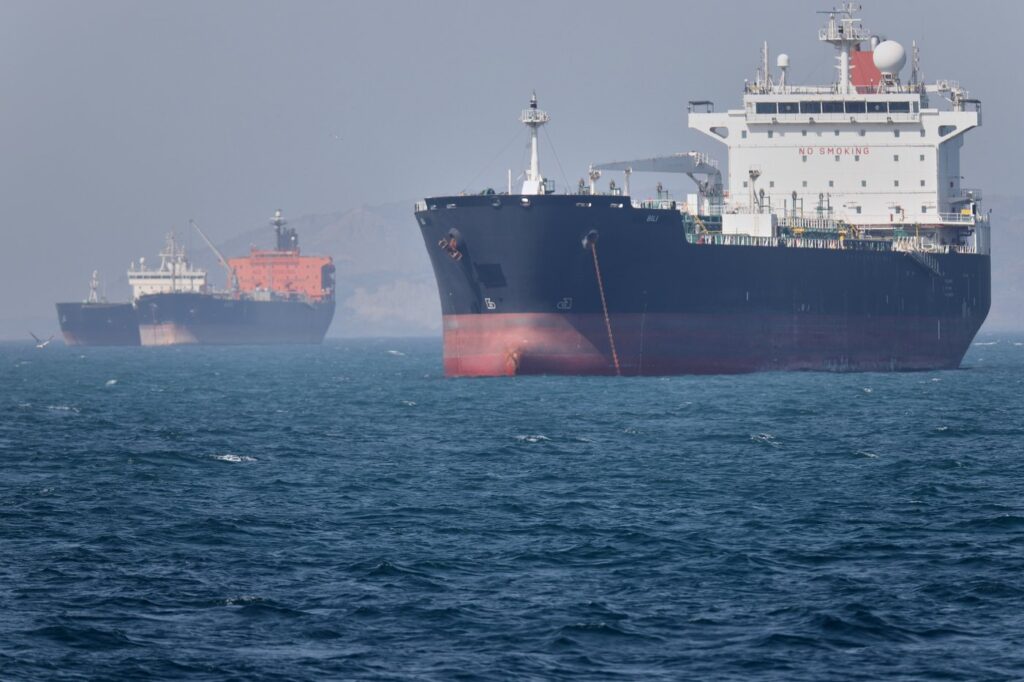
A proposed U.N. resolution aims to impose sanctions or other measures on Iran if the country does not cease its attacks on ships in the Strait of Hormuz. Additionally, it demands that Iran stop imposing "illegal tolls" on maritime traffic and disclose the locations of all mines in the region to ensure the freedom of navigation. The draft resolution has been co-sponsored by the United States and Gulf nations, marking a continued diplomatic effort to address escalating tensions in the vital shipping lane.
The latest resolution comes in the wake of a previously proposed but watered-down resolution that was vetoed by both China and Russia just hours before the United States and Iran announced a temporary ceasefire in early April. This ceasefire was initiated amidst ongoing conflicts that have drawn significant international attention, given that the Strait of Hormuz is a critical passage through which approximately 20% of the world’s crude oil is transported.
U.S. Ambassador Mike Waltz has expressed optimism that the new, more focused proposal will secure the necessary support from the 15-member U.N. Security Council, while avoiding opposition or a veto from Iran's allies. This initiative is part of the Trump administration's broader strategy to restore freedom of navigation in the strait, ensuring that vital commercial shipping routes remain open and secure from interference.
The proposed resolution has been drafted under Chapter 7 of the U.N. Charter, granting it the potential for military enforcement if Iran fails to comply with its terms. It not only threatens to impose "effective measures" commensurate with what it describes as the gravity of the situation—including possible sanctions—but also reaffirms the right of all nations to protect their vessels against attacks and provocations in the region.
In addition, the draft resolution instructs other countries not to aid Iran in closing the strait or imposing tolls on vessels passing through. It also commends ongoing diplomatic efforts to ensure safe transit through the Strait of Hormuz and expresses support for initiatives aimed at achieving lasting peace in the region. Moreover, it encourages member states to strengthen dialogue and consultations about stability in the area.
The urgency of this matter reflects the heightened tensions and the volatile situation surrounding the Strait of Hormuz, especially following the onset of conflicts involving Iran, the U.S., and their respective allies. As such, this resolution represents significant diplomatic engagement amid a backdrop of uncertainty and military posturing in a region vital to global commerce and energy supplies.
The situation remains fragile, with a ceasefire that has only temporarily eased hostilities. Both the U.S. and its Gulf allies remain vigilant as they work to navigate the complexities of international relations around the Strait of Hormuz, with the hope of fostering peace and ensuring open maritime routes essential for global trade.








