

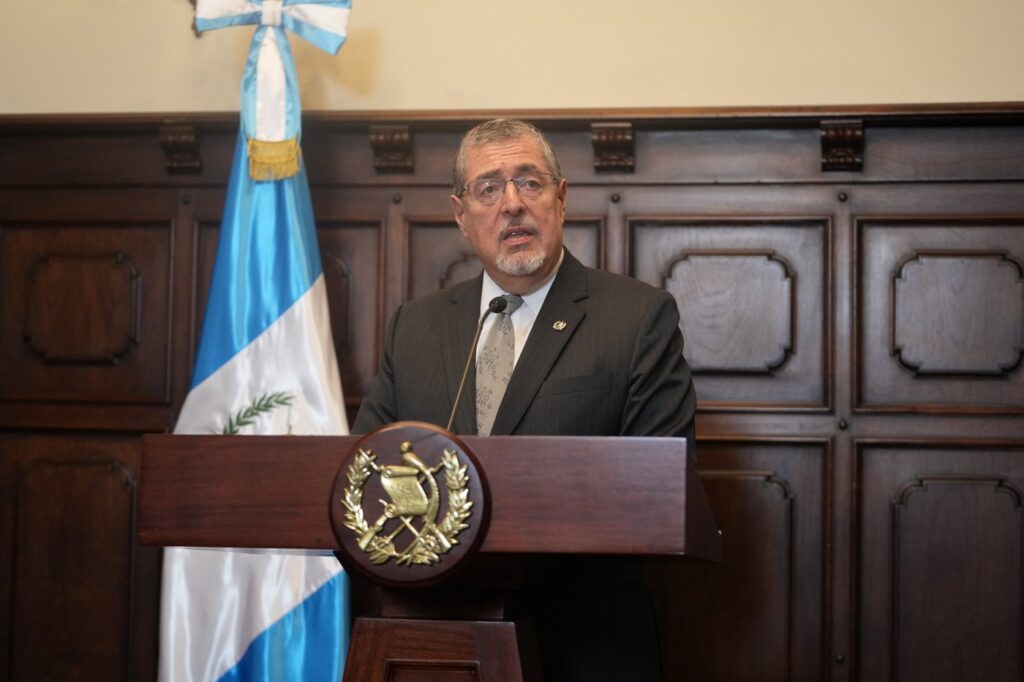
GUATEMALA CITY (AP) — On Tuesday, Guatemalan President Bernardo Arévalo appointed a new attorney general and head of the prosecutor's office, lawyer Gabriel Estuardo García Luna. This decision concludes a protracted and intense struggle against former top prosecutor Consuelo Porras, who has been sanctioned by 40 nations for her alleged obstruction of anti-corruption efforts. This appointment represents a significant victory for Arévalo, who has frequently accused prosecutors of damaging Guatemala's justice system and engaging in politically motivated arrests.
Porras' tenure was marked by repeated attempts to block Arévalo from assuming office, prompting international condemnation and intensifying the conflict between the president and her office. The attorney general's office in Guatemala is designed to operate independently, which means that presidents can find themselves at odds with their chief law enforcement officers. For years, the institution has faced a multitude of corruption allegations, undermining public trust in its operations.
In a national address, Arévalo stated that he entrusted García Luna with the role effective May 17, when Porras' term expires. "The Public Ministry is getting a new authority who does not come to serve a president, the government of the day, or particular or spurious political interests," Arévalo emphasized. This move is seen as a necessary step toward revitalizing the office, which has faced intense scrutiny and criticism during Porras' controversial leadership.
Porras has been accused of utilizing her position to target former justice officials, journalists, political opponents, and even President Arévalo himself. The appointment of García Luna, who is 49 years old and has 22 years of legal experience as well as doctoral-level academic qualifications in law, aims to steer the prosecutor's office toward a more transparent and principled direction.
García Luna was selected from a list of six candidates provided by a nominating commission that included the president of the Supreme Court, deans from law schools across the country, and representatives from the national bar association. This commission considered over 48 applications for the prestigious post, highlighting the importance of the role in the current political landscape.
During her time in office, Porras attracted significant criticism and sanctions from various countries for allegedly impeding corruption investigations while using her authority to pursue political adversaries. Following Arévalo's election last year, Porras led investigations into the president's Seed Movement party, accusing it of misconduct in its signature-gathering process to establish itself as a political entity. Her actions included raids on party offices, the seizure of ballot boxes, and attempts to lift Arévalo’s immunity.
In light of these developments, Arévalo has suggested that Porras is serving the interests of powerful and corrupt factions in Guatemala, who are wary of his commitment to eradicating corruption in the country. The challenges faced in this political context underscore the complexities of governance in Guatemala as it grapples with entrenched corruption and the struggle for justice reform.








