

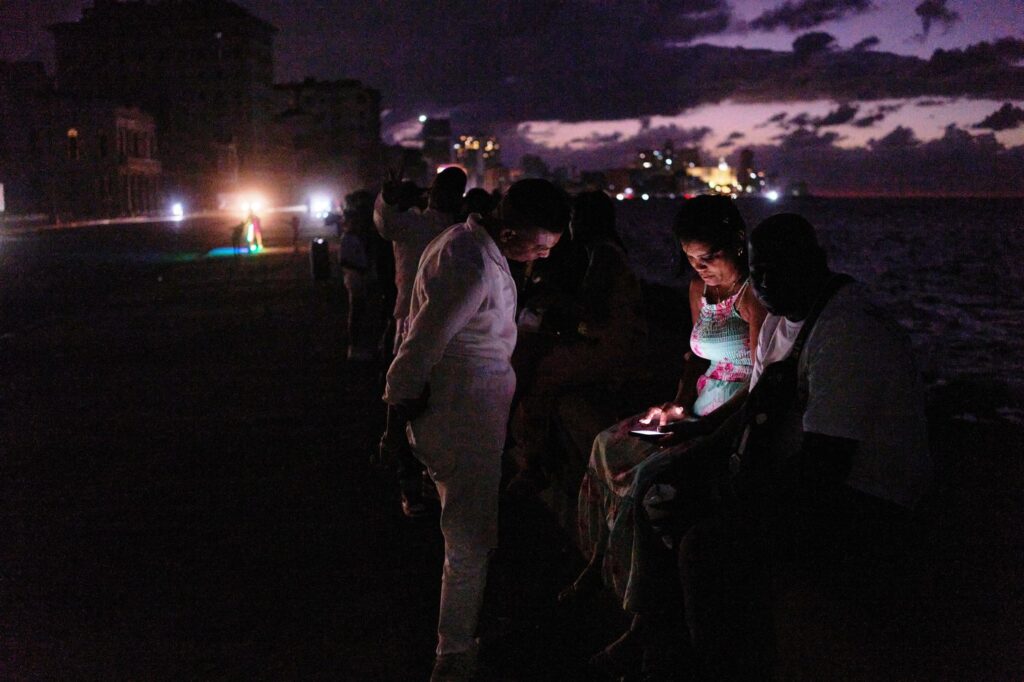
HAVANA (AP) — On Sunday, Cuba initiated the restoration of its energy system just a day after a devastating nationwide blackout plunged millions into darkness for the third time this March. Early reports indicated that approximately 72,000 customers in the capital had their electricity restored, including five hospitals, but this accounted for only a small portion of Havana's total population of around 2 million.
Local power microsystems have been established in Havana and surrounding provinces like western Matanzas and eastern Holguin to supply essential services. Residents reported that electricity began returning during the early hours of Sunday. Cuba is grappling with an unprecedented energy crisis, exacerbated by an aging electrical grid and ongoing issues related to the U.S. energy blockade. Following President Donald Trump's warning in January regarding tariffs on any entity providing oil to Cuba, the government has faced heightened economic challenges, demanding political and economic reforms in exchange for a lifting of sanctions.
Additionally, Cuba's difficulties have been intensified by the cessation of crucial oil shipments from Venezuela, following the ousting of its former President Nicolás Maduro. President Miguel Díaz-Canel stated that the country has not received any foreign oil supplies for three months, complicating Cuba's ability to generate electricity as it only produces about 40% of the fuel required to sustain its economy.
The daily power outages have severely disrupted the lives of citizens, affecting work hours, limiting cooking capabilities, and damaging household appliances. One resident, Suleydi Crespo, shared her distress over the impact of the blackouts, saying, "My refrigerator broke — that was today. If there’s no electricity tomorrow, we won’t be able to get water." The frequent outages have led to extreme fatigue and frustration among the populace.
The Cuban Electric Union reported that the total disconnection of the energy system was caused by an unexpected shutdown of a generation unit at the Nuevitas thermoelectric plant in Camaguey province. The last nationwide blackout occurred on the preceding Monday, requiring days to restore power. Saturday’s outage marked the second blackouts in one week and the third for the month, reflecting the severity of the energy crisis.
Amid these challenges, residents like Dagnay Alarcón, a 35-year-old vendor, emphasize the need to adapt to their circumstances, stating, "We have to get used to continuing our usual routine. What else can we do? We have to try to survive." Authorities have acknowledged the gravity of the situation, with the Vice Minister of Energy and Mines, Argelio Abad Vigo, revealing the country has been without essential fuel supplies, including diesel and gasoline, for three months. This has led to rationed fuel sales, suspended airline flights, and reduced work hours.
Trump has suggested that the Cuban government is on the brink of collapse, and during a previous electrical outage, he hinted at potential U.S. involvement in Cuba's future. In contrast, María Regla Cardoso, a housewife in Havana, expressed a sense of resignation regarding the political situation, stating that citizens must continue to live their lives, regardless of external circumstances. "I leave everything in God’s hands," she said, reinforcing a sentiment of endurance in the face of adversity.








