

The ongoing conflict between the United States and Iran intensified after an F-15E Strike Eagle jet was shot down on Friday, prompting a U.S. service member to go missing behind enemy lines. President Donald Trump announced early Sunday that the service member has been rescued, having been hunted by Iranian forces in the mountainous terrain of Iran. Trump highlighted the bravery of the recovered aviator and confirmed that he suffered injuries but is expected to recover. A second crew member had been rescued earlier during the operation, which involved extensive aerial resources and intelligence monitoring of the serviceman's location.
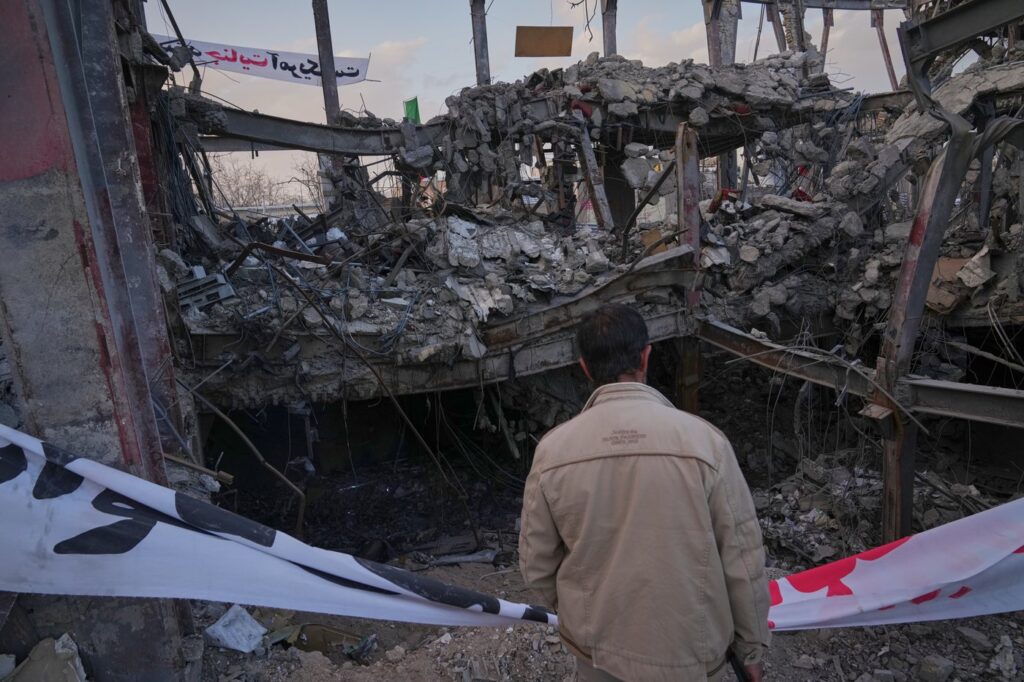
This incident marks the first crash of a U.S. aircraft in Iranian territory since the beginning of heightened military tensions in February 2026. The conflict escalated following joint U.S.-Israeli strikes on February 28, which were part of a broader offensive against Iranian military capabilities. The Iranian response included shooting down two U.S. military planes, as indicated by President Trump, who claimed that U.S. forces had "decimated" Iran. Both nations have engaged in attacks against civilian targets, raising concerns over potential war crimes amidst the increasing casualties.
The situation further complicated with the crash of a U.S. A-10 attack aircraft, with its crew's status unclear. According to Iranian state media, this aircraft was also reportedly attacked by Iran’s defense forces. The conflict has resulted in significant loss of life, with over 1,900 casualties reported in Iran, while casualties from Gulf Arab states, the occupied West Bank, and Israel continue to mount. In Lebanon, more than 1,400 individuals have been killed, and significant displacement has occurred.
Amidst escalating military action, President Trump made threats regarding the strategic Strait of Hormuz, demanding that Iran reopen this vital waterway by Monday or face dire consequences. Iranian military leadership responded with threats of retaliation against U.S. military infrastructure in the region. General Ali Abdollahi Aliabadi warned that Iran would unleash severe consequences if its infrastructure were attacked.
On the diplomatic front, Pakistan's Foreign Ministry expressed progress in brokering a ceasefire between the U.S. and Iran. Mediators from various countries, including Turkey and Egypt, have been engaged in talks aimed at achieving a cessation of hostilities to facilitate dialogue. Iranian officials have indicated a willingness to participate in discussions hosted by Islamabad.
The Bab el-Mandeb Strait, another strategic waterway vital to global trade, was also mentioned by Iranian officials, suggesting they might disrupt traffic through it. This development presents further risks to international shipping and energy supplies, with a significant portion of global oil passing through these routes.
As the conflict continues, the repercussions are felt beyond the battlefield, causing considerable instability in global markets and spiking fuel prices. The current situation remains tense, with multiple regional players involved in mediation efforts as civilian populations bear the brunt of continued military actions.








