

OTTAWA 0 In response to the ongoing conflict in the Middle East, universities across Canada are extending various supports to international students affected by the crisis. Institutions such as the University of Victoria have proactively reached out to students with links to Iran, offering personalized support tailored to individual circumstances. This includes the provision of special bursary funding and the removal of holds on registration related to overdue tuition payments.
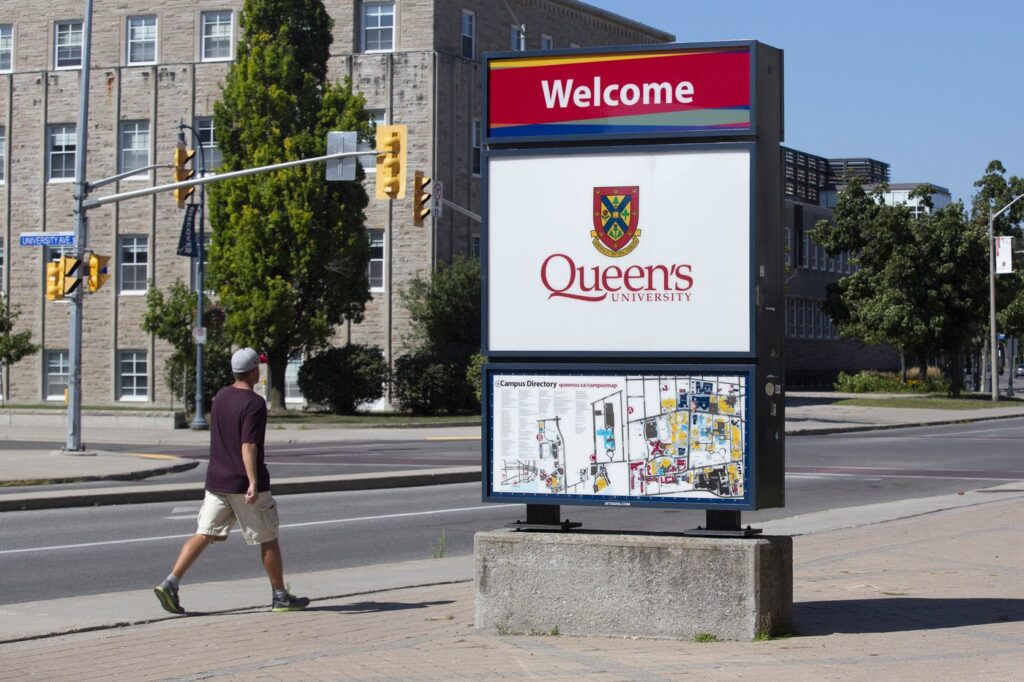
Queen’s University has also announced measures to assist students affected by the current situation. They are providing extensions on winter tuition and fee payments without imposing late penalties, as well as granting access to emergency bursaries and enhancing mental health support services. University officials have encouraged students facing difficulties to contact the administration as they navigate the challenges posed by the conflict.
Carleton University is implementing similar flexibility for affected students, offering leniency in filing admissions documents, exam deferrals, and evaluating requests for tuition relief. Additionally, McGill University has communicated with students from several Middle Eastern countries, including Iran, Bahrain, Lebanon, and Israel, regarding their access to academic accommodations and mental health resources amidst escalating tensions.
The conflict has dramatically affected not only those within the region but also international students studying in Canada. As reported, on February 28, the U.S. and Israel conducted strikes against Iran, which has contributed to a rising death toll, with more than 1,900 fatalities reported in Iran and over 1,300 in Lebanon as of a recent Thursday. As of December 31, 2024, data from Immigration, Refugees, and Citizenship Canada indicates that there are over 23,000 study permit holders from Iran and around 1,800 from Lebanon currently residing in Canada.
In light of these developments, numerous student organizations across Canada have mobilized to hold fundraisers, Nowruz gatherings, discussions, and demonstrations in support of those affected by the conflict in the Middle East. Amir Moghadam, an Iranian international student and current president of the University of Toronto Graduate Students' Union, has emphasized the need for thoughtful responses from universities. Despite appreciating the extensions and tuition pauses offered, he believes that these steps should be part of a comprehensive systemic framework designed to support any international student community in crisis.
Moghadam further advocates for the establishment of dedicated emergency funding, tailored mental health services for international students, and clear institutional policies that address the unique challenges these students face during crises. He noted the severe emotional upheaval for Iranian students in particular, many of whom are cut off from communicating with family due to internet blackouts and other disruptions.
Highlighting the gravity of the situation, he stated, “Right now, Iranian students in Canada cannot contact their families, cannot transfer money, and in many cases have no way of knowing whether their loved ones are safe. That is an extraordinary level of disruption, and it demands more than deadline flexibility.”
In addition, Moghadam mentioned that the University of Toronto Graduate Students’ Union is collaborating with the university administration to secure accommodations for affected students, such as deadline extensions, leaves of absence, and adjusted research expectations. The union has also established an emergency grant program to provide up to $1,000 to students facing financial difficulties due to the ongoing crises.
As an affected international student, Moghadam has a firsthand understanding of the stress and anxiety that arise from being far from home during times of crisis. The profound challenges faced by students in these situations call for immediate and effective support mechanisms to alleviate their distress.
This narrative highlights the vital role educational institutions play in supporting their international student populations during turbulent times. Through various initiatives, they are striving to create a sense of stability and care for students grappling with the impacts of conflict far from home.








