

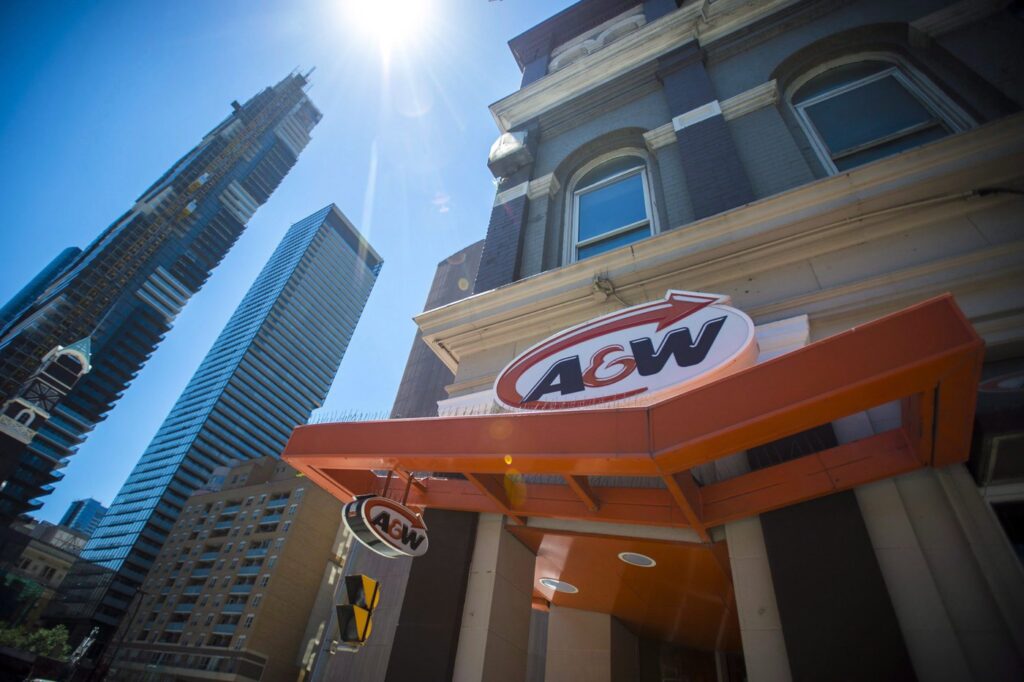
Preet Pandher, who began his career washing dishes at A&W in Edmonton in 2016, has transitioned to become the CEO of Elmwood Capital Ltd., owning nine A&W locations with plans for six more. Reflecting on his entrepreneurial journey, Pandher emphasizes the scalability of the franchising model, noting that it has provided him with greater business opportunities than his parents faced as independent business owners.
Franchising represents a substantial sector in Canada, allowing franchisees to leverage established business models. However, it comes with limitations in terms of creative control and flexibility. Daryl Ching, owner of Vistance Accounting, likens owning a franchise to purchasing a business structure, where the franchisee assumes financial risks but benefits from established, reliable brands.
"Instead of building a plane from scratch, imagine that you are able to fly a plane that’s already tested and there are already passengers on board,” Ching states, highlighting both the advantages and restrictions of franchising. He notes that operational efficiency can transform a somewhat profitable franchise into a highly lucrative one, provided the franchisee is adept at managing staff and productivity.
The demands of franchise ownership often exceed expectations; when staffing challenges arise, such as sudden employee absences, owners must step in personally. Additionally, the costs associated with starting a franchise can be significant. For instance, the purchase cost for an existing franchise typically correlates with its earnings, while new locations may only require construction costs. In 2023, Pandher indicated that his franchise fee was approximately $55,000 plus tax for a 25-year license, though ongoing fees such as royalties and marketing costs could apply depending on the franchise agreement.
Choosing the right location is critical for success. Pandher explains that franchisors assist in identifying regional factors like traffic patterns, population density, and local income levels. For example, restaurants situated in residential areas may experience higher dinner and late-night traffic, while those in business districts might see increased demand during breakfast and lunch hours. Understanding these dynamics is essential for evaluating potential restaurant locations.
Sherry McNeil, president and CEO of the Canadian Franchise Association, notes that franchising can help mitigate the uncertainties and risks of launching a new venture. "In a franchise business, you’re in business for yourself, but not by yourself,” she says, emphasizing the support systems provided by franchisors, including training and established processes. The franchising industry in Canada has expanded from $100 billion in 2019 to $138 billion by the end of 2022 and is the 12th largest industry in the country, with Canadians interacting with an average of three to five franchise locations daily.
Redberry Restaurants, one of the largest operators in the Canadian franchising landscape, includes 171 Burger Kings, 35 Taco Bells, and 21 Jersey Mike's locations. Ken Otto, CEO of Redberry Restaurants, recently introduced a new franchise brand, Jersey Mike's, to Canada after becoming its master franchisee in 2024. The process took approximately 15 months, beginning late in 2022, involving a comprehensive evaluation of the sandwich brand.
Despite the potential benefits, franchise owners can encounter challenges. Otto admits that not every location will meet sales expectations, and learning from underperforming stores is crucial. Analyzing demographic matches and visibility issues can inform future decisions. He underscores that successful franchising is not a "get-rich-quick" scheme; rather, it requires diligent execution of proven systems. "When properly executed, the path to wealth creation is highly motivating for us and for franchisees," he concludes.








