

VANCOUVER – As spring unfolds across British Columbia, the vibrant orange-and-black wings of monarch butterflies and the distinctive cream cap of male bobolink songbirds remain a rare sight. Both species are currently listed as endangered in the province, a status that has largely remained unchanged for many at-risk species over the past two decades, according to a recent study by researchers at Simon Fraser University.
The study, published on March 23 in the journal Facets, examined the British Columbia government’s inventory of threatened, special-concern, and secure species. From 2008 to 2025, only 14 species experienced significant improvements in their status, indicating a lack of progress for many others.
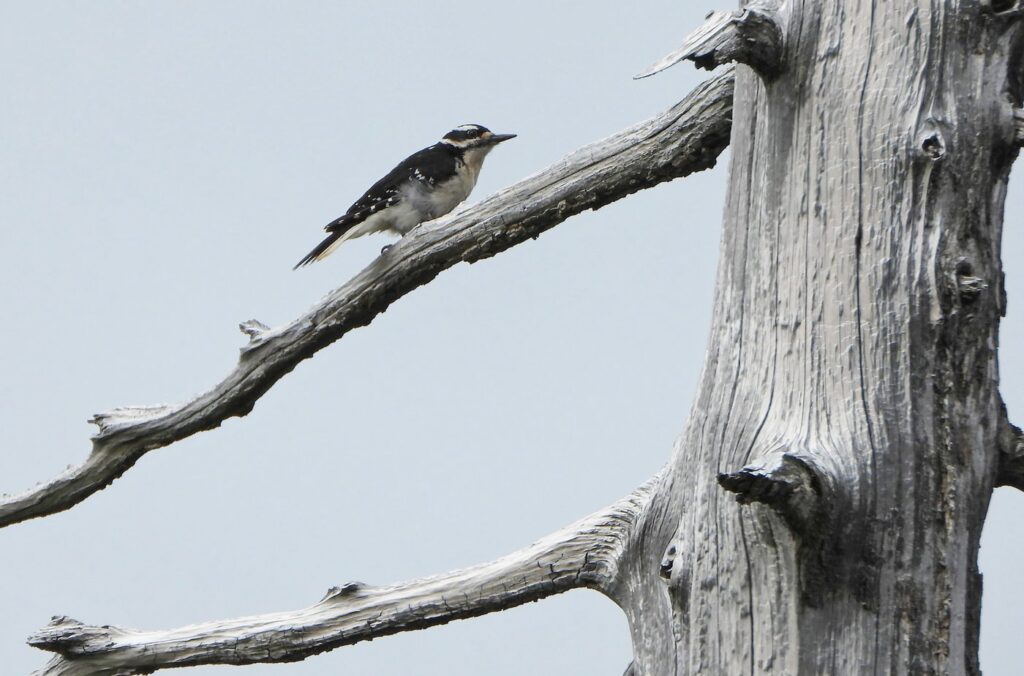
Among the few species that showed population increases were the hairy woodpecker, humpback whale, broad-winged hawk, and long-billed curlew. Researchers described these changes in risk status as “genuine” when they were supported by observable trends in population size or health.
Notably, certain dragonfly populations, including blue dashers and black saddlebag, have thrived due to warming temperatures that have expanded their range. In contrast, 14 species, such as the monarch butterfly and bobolink, have seen declines in their populations and are facing increasing threats.
As of now, British Columbia lists 493 species in the critically endangered "red" category and 1,233 in the vulnerable "blue" category, reflecting a 25 percent increase since 2008, predominantly due to the addition of new listings.
According to Peter Thompson, co-author of the study and a post-doctoral researcher at Simon Fraser University, the most common scenario for species listed as red in 2008 is that they remain on that list today. He emphasized that although the B.C. government has cataloged an impressive range of species over the past 20 years, insufficient action has been taken to assist those that are endangered or threatened.
British Columbia is known as Canada’s most biologically diverse province, boasting a vast array of species and ecosystems. However, only about one percent of the province is protected under Canada’s Species at Risk Act, which is designed for species on federal land. The provincial Wildlife Act provides some protection, but only four species have been formally listed since its establishment in 1996: the sea otter, burrowing owl, American white pelican, and Vancouver Island marmot.
Thompson pointed out that it’s not solely the protections that are lacking; many lesser-known species, particularly insects and other invertebrates, are excluded from current conservation efforts. Researchers have identified over 900 "ghost species," which are at risk yet have not been included on any official list, with many categorized as arthropods like spiders.
The study argues for new legislation to address the shortcomings of the Wildlife Act and other provincial laws, which currently lack legally binding requirements for habitat protection, recovery planning, and set timelines. It also highlights a concerning reliance on non-profit land trusts and stewardship initiatives, resulting in inconsistent protection efforts across the province.
Thompson expressed the need for proactive measures to improve the status of at-risk species prior to their reaching critical levels of extinction. “They are still in serious trouble and they still need our help. It’s essential to quantify this situation, document it, and continue raising awareness that increased support is crucial for endangered species in British Columbia and throughout Canada,” he stated.








