

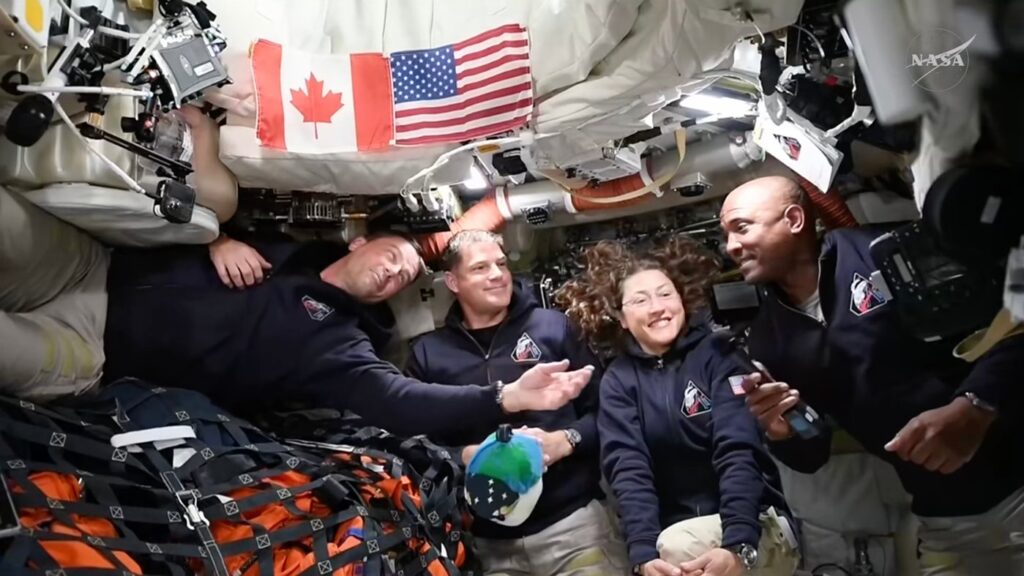
The Artemis II mission, currently in progress, exemplifies the unique challenges that deep space travel poses to the human body, even over short durations such as the 10-day journey planned for this mission. Scientists are actively studying a range of risks associated with this kind of space travel, including radiation exposure and the myriad of physiological effects that can impact astronauts during their time away from Earth.
Dr. Farhan Asrar, a space medicine expert, sheds light on how the journey affects astronauts physically and mentally. From fluid shifts within the body to muscle atrophy, the consequences of space travel are profound. Additional challenges include the psychological stress of confined living quarters and the constant need to adapt to microgravity conditions, which can complicate physical health further.
To counteract these issues, astronauts on the Artemis II mission are required to maintain a rigorous fitness regimen. They utilize innovative exercise equipment designed specifically to work in microgravity environments. This equipment helps counteract muscle and bone loss that is commonly experienced in space, where the absence of gravity significantly alters how the body functions. The constraints of living in a capsule comparable to the size of a campervan necessitate careful management of both space and resources, highlighting the complexities of long-duration space missions.
The Artemis II crew is currently on its fourth day of the journey, which includes a lunar flyby, showcasing the groundbreaking steps being taken to prepare for future exploratory missions. Upon their return to Earth, the astronauts will undergo comprehensive rehabilitation aimed at regaining muscle strength and readjusting to the effects of Earth's gravity. This is a crucial phase in their return, as lingering effects from their journey can still impact their physical condition even after they are back on solid ground.
Dr. Asrar's involvement in the Artemis II mission underscores the importance of gathering and analyzing data from this voyage. The insights gained will be invaluable in preparing for more ambitious future missions, such as those aimed at Mars and beyond. Understanding how the human body reacts to the harsh conditions of space will be essential as humans venture further from Earth.
This mission not only advances our understanding of space travel but also aids in the development of strategies to keep astronauts safe and healthy on longer missions. The combination of innovative technologies, rigorous training, and ongoing research will be fundamental in overcoming the hurdles posed by deep space exploration.








