

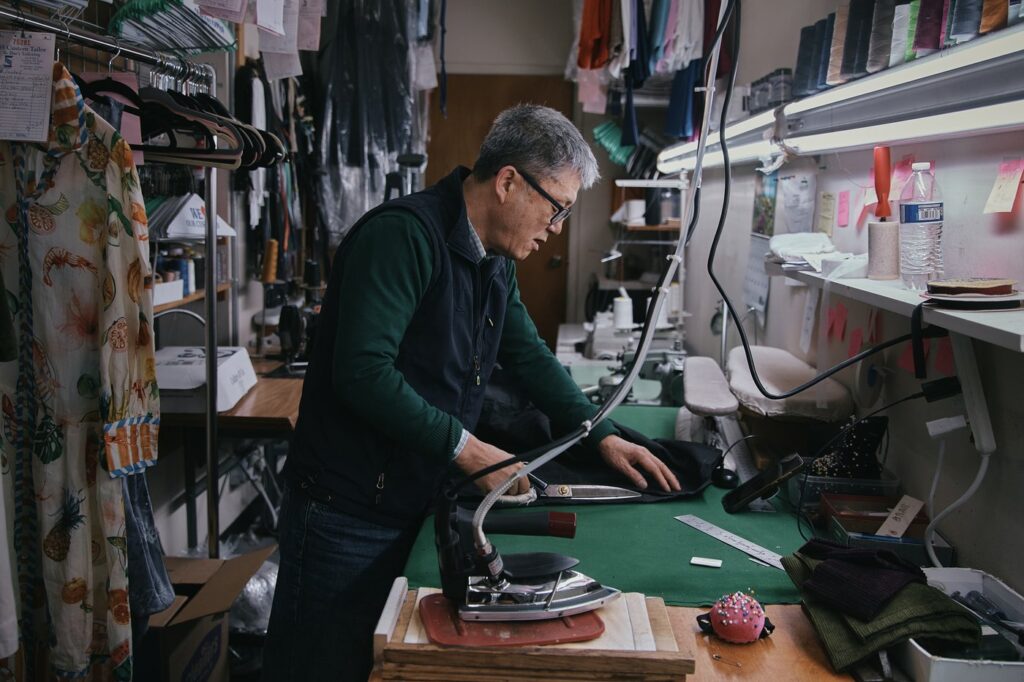
In the United States, the number of skilled tailors, dressmakers, and custom sewing specialists is on the decline, despite a growing demand for their services. As contemporary consumers express a burgeoning interest in tailored clothing and sustainable fashion practices, younger generations are increasingly turning to skilled professionals to customize ready-made garments, breathe new life into thrifted pieces, and prolong the life of their wardrobes. This trend reflects a shift towards personalized fashion, highlighting the importance of craftsmanship in today's fast-paced retail environment.
Kil Bae, a seasoned tailor based in New York, points out a noteworthy trend influencing the industry: the rise of weight-loss medications such as Zepbound and Wegovy. These medications have led many individuals to seek alterations to their clothing as their body shapes change. The urgency for tailored adjustments has surged, yet the pool of skilled workers continues to dwindle. Many experienced tailors are retiring, leaving a gap in the industry that is difficult to fill. To address this pressing shortage, the Fashion Institute of Technology has collaborated with Nordstrom to establish a training program designed to cultivate a new generation of skilled professionals. This initiative aims to equip aspiring tailors with the necessary skills and knowledge to meet the increasing demand for alterations and custom sewing services.
The rise in popularity of personalized fashion and alterations highlights the evolving relationship between consumers and their clothing. Many people today are not only looking to enhance their style but also to adopt more sustainable practices by extending the lifespan of their garments. The increased interest in thrift shopping has also contributed to the demand for tailoring services, as shoppers seek to revamp second-hand purchases to better fit their personal aesthetic. This growing trend towards sustainable fashion, fuelled by a younger consumer base, contrasts with the declining availability of expert tailors who can cater to these needs.
As communities strive to maintain the art of tailoring, professionals like Kil Bae represent a crucial link to tradition and craftsmanship. His shop in New York is a testament to the enduring value of handmade alterations and personalized service. Photographs of Bae at work showcase his dedication to the craft, while also illuminating the challenges faced by this age-old profession. A September 23, 2026, observation of tailor Marco Lema, a 35-year-old from Ecuador, further illustrates the modern landscape of tailoring. Lema is seen working diligently on denim alterations at Nordstrom headquarters, underlining the fusion of traditional skills with contemporary retail practices.
In various images from the recent photo gallery, the artistry of tailoring is vividly depicted. From the precision of measurements to the intricate details of embroidery, these snapshots provide a glimpse into the meticulous process of transforming garments. They also reveal a modern twist on the craft, as technology plays an increasingly significant role in the tailoring industry, especially with the incorporation of embroidery machines in retail environments.
The future of tailoring in the United States faces both challenges and opportunities. As younger consumers prioritize sustainability and personalization, the demand for skilled tailors is likely to rise, despite the diminishing number of professionals in the field. Collaborative efforts between educational institutions and retailers may help bridge the gap, ensuring that the art of tailoring continues to flourish and adapt in a changing fashion landscape. The images featured in the photo gallery not only document the hard work of individuals like Kil Bae and Marco Lema but also serve as a reminder of the importance of preserving traditional skills in an ever-evolving industry.








