

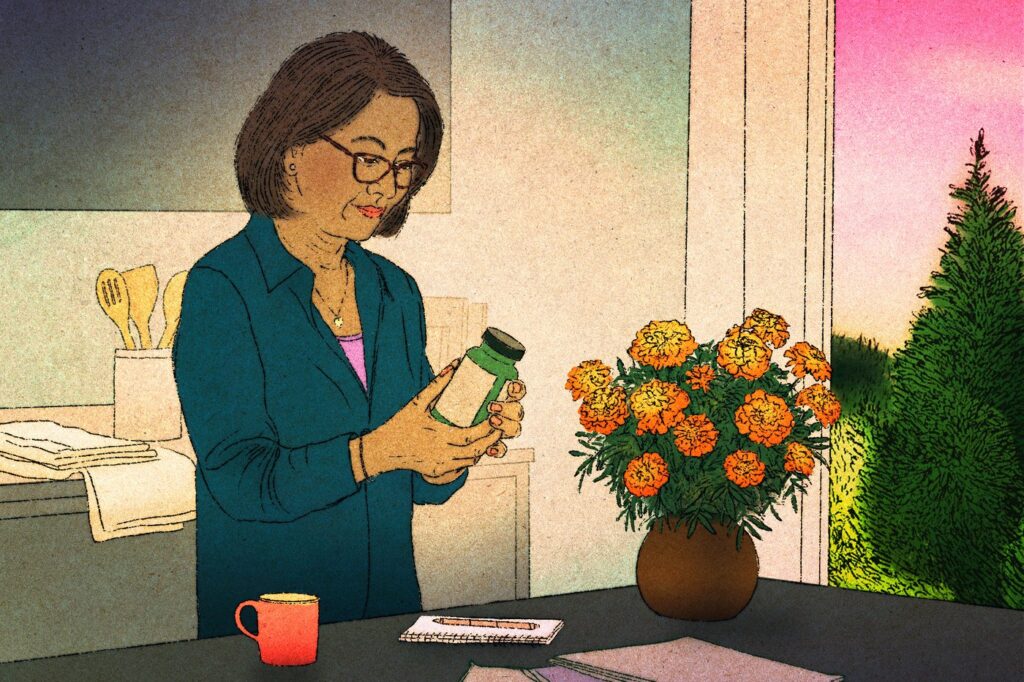
DALLAS (AP) – Women experiencing the challenges of menopause, such as hot flashes, night sweats, mood swings, and sleep disturbances, alongside visible signs of aging, are inundated with a multitude of products targeting their symptoms. The rise in open discussions regarding menopause and its precursor, perimenopause, coincides with aggressive marketing fueled by social media.
Products aimed at alleviating menopausal symptoms include lotions, serums, dietary supplements, and gadgets that promise relief. Dr. Nanette Santoro, an OB-GYN professor at the University of Colorado Anschutz, emphasizes that the marketing has become overwhelmingly pervasive. She advises women to consult their doctors before investing significant amounts of money in products that promise extensive benefits, stressing the importance of skepticism.
As estrogen and progesterone levels decline, many women experience menopause-related symptoms, including hot flashes, mood alterations, vaginal dryness, and sleep issues. Dr. Angela Angel, an OB-GYN at Texas Health Presbyterian Hospital Dallas, notes a shift in patient engagement; women are now proactively seeking medical advice about menopause during separate appointments rather than waiting for routine questions during annual exams.
Patients frequently report having already tried various solutions, often seeking help because those solutions were ineffective or caused other side effects. In response, Angel's hospital has initiated a menopause support group to help women navigate the overwhelming marketing landscape of menopause products.
Products marketed specifically to menopausal women range from bracelets and rings purporting to mitigate hot flashes to cooling bedding. Santoro suggests that women weigh the cost against potential benefits. For instance, a $20 bracelet might be a low-risk trial, but for more costly options, consulting with a healthcare provider offers a safer avenue for effective treatment.
Many over-the-counter remedies, including dietary supplements, are not significantly different from standard products. Additionally, some products may carry side effects. Dr. Monica Christmas, who leads the menopause program at the University of Chicago Medicine, emphasizes that not every woman will experience menopause in the same way. For those seeking help, both hormone therapy and nonhormonal medications can alleviate symptoms, although these aren’t universally recommended.
Maintaining a healthy lifestyle through regular exercise and a balanced diet is often advised. Such changes can facilitate weight management, which may reduce the severity of symptoms. Moreover, doctors recommend avoiding alcohol, as it can exacerbate hot flashes.
Women like Brandi McGruder, a 49-year-old school librarian from Dallas, are learning to navigate these changes. McGruder realized she was entering perimenopause after experiencing sudden temperature fluctuations on her birthday. After consulting with her doctor and starting on an estrogen patch, she found relief and encourages others to seek medical guidance rather than getting distracted by advertisements.
Skin changes during menopause also require attention. Dr. Melissa Mauskar, a dermatologist at UT Southwestern Medical Center in Dallas, highlights how aging and hormonal transitions lead to decreased collagen and hydration in the skin. Effective treatments include prescribed retinoids and over-the-counter retinol, which promote collagen production and minimize wrinkles. Mauskar recommends hydrating moisturizers, particularly those with ceramides, while advising caution against products with excessive additives that could provoke sensitivity.
Ingestible collagen is marketed as a skin remedy, but Mauskar warns that evidence supporting its efficacy is inconclusive. Light therapy, while not immediately effective, may show results with regular use over time. She stresses that sun damage is a primary factor in skin aging and encourages the consistent use of sunscreen across all age groups.
Ultimately, while the market is flooded with innovative and targeted products for women experiencing perimenopause and menopause, Mauskar advises that proven, scientifically-supported solutions should remain the gold standard for skincare and symptom management during this phase of life.








